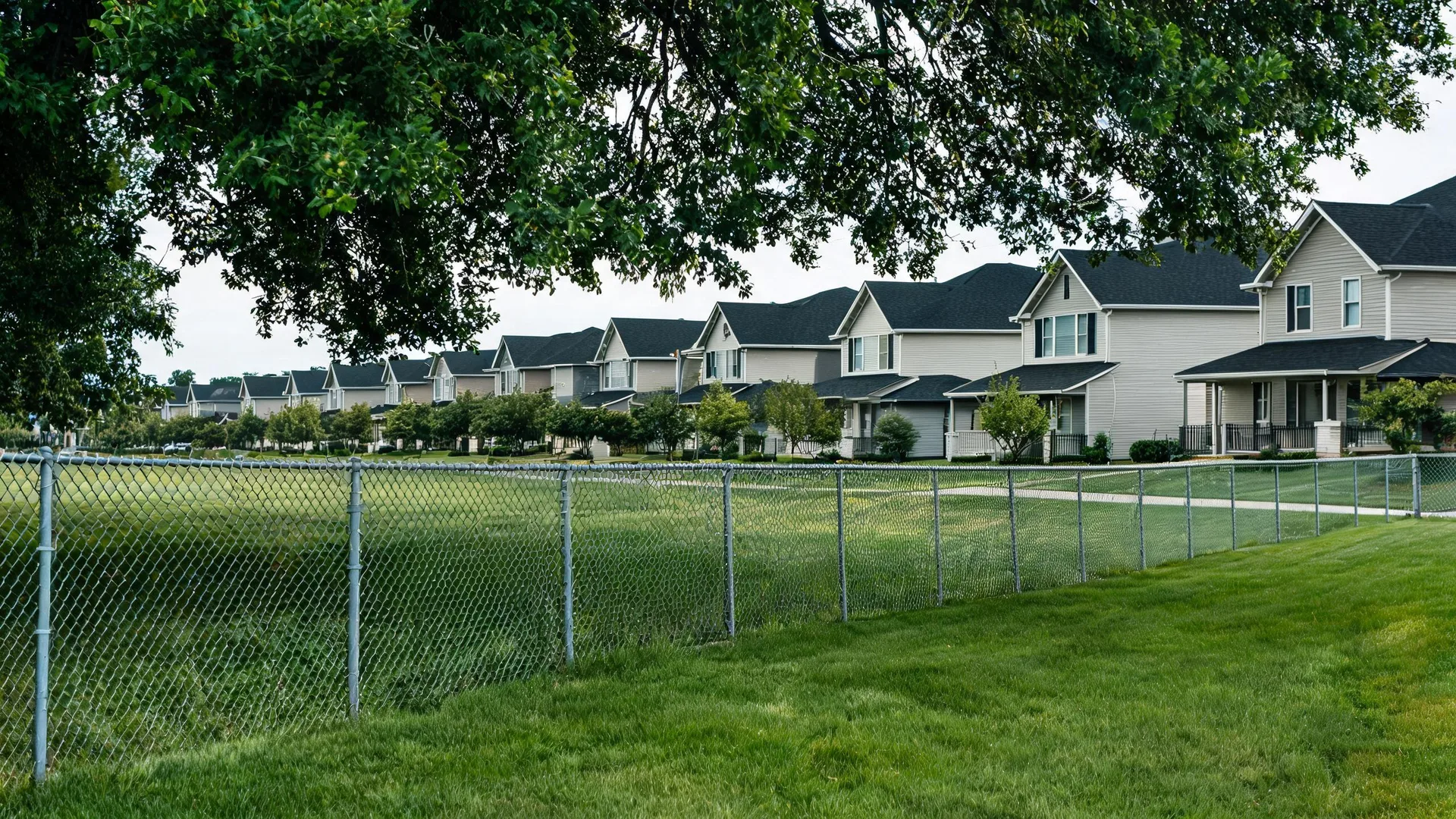




A chain-link fence runs diagonally across a mown grass field, with a row of two-story suburban houses with gray roofs and light siding behind it and tree branches overhanging the top of the frame.

Heat Pump Repair in Bottineau, ND

Tell us about the job

Takes about a minute. No obligation.

RepairHeat PumpBottineau County, ND
Step 1 of 2

What ZIP code is the job in?

Bottineau County saw 30 winter storms between 2015 and 2024, heavy snow, ice, blizzards, the kind of weather a heat pump has to run straight through. A heat pump leans hardest on its parts right when it's coldest outside, and that's exactly when this county gets hit. The outdoor unit takes the brunt of it, and hail has struck the county 65 times over that same stretch, enough to dent a cabinet or bend a fin here and there. None of that means the unit is failing. It means the parts inside have been asked to do more than they would somewhere milder, and that catches up with one part before the rest. A problem that looks sudden is usually one that's been building for a while under that load.

9 months
September through May, your system heats
2 months
July through August, it cools
1°F
the average winter night it heats against
78°F
the average summer afternoon it cools against
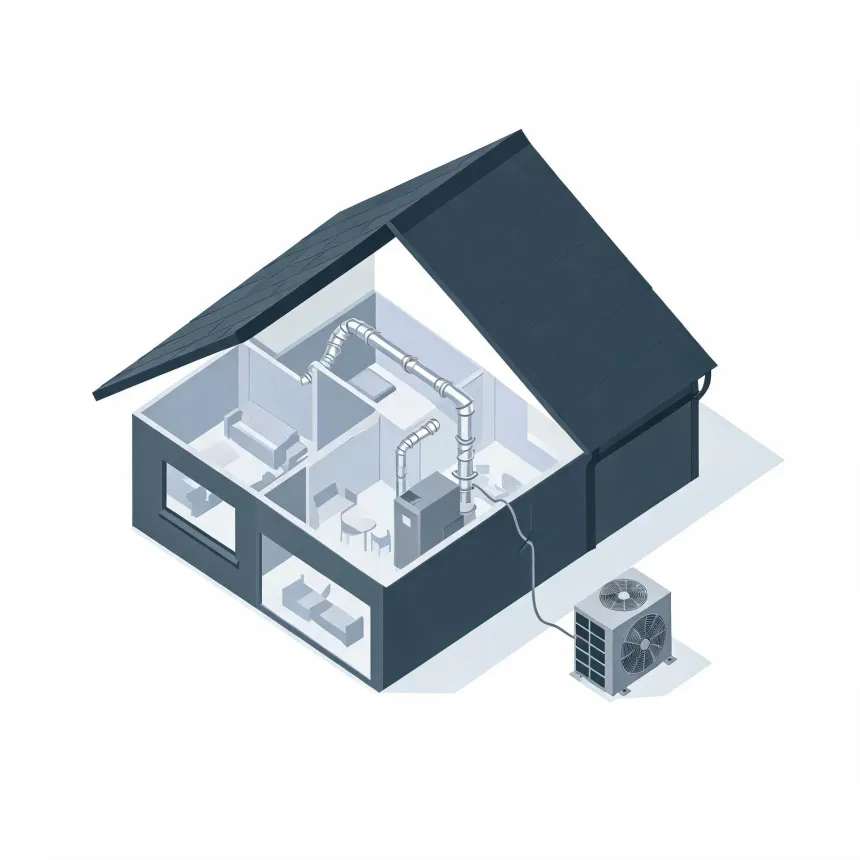
Isometric illustration of a cutaway house showing interior rooms with furniture, a furnace and ductwork, connected by a line to an outdoor condenser unit on the ground outside.
Your system heats September through May and cools July through August.

NOAA nClimDiv, 1991–2020 normals

September is when heat in Bottineau County switches on for the next nine months.

A part that was already weak usually fails in the first cold snap, not mid-winter.

Cheap power here still adds up when a heat pump has to run this much

Power here costs 11.00 cents per kilowatt-hour
65 hail events from 2015 to 2024
30 winter storms from 2015 to 2024

A heat pump that's short cycling, running constantly, or blowing lukewarm air is still drawing power the whole time it does it. Power here is cheap, but a struggling unit doesn't know that, it just keeps running longer to make up for whatever's wrong with it. A stuck reversing valve or a low charge can have the thing working twice as long for half the comfort. That's not a cost you see until the bill comes, and by then the part causing it has usually gotten worse. Worth having someone look at it now rather than waiting to see if it sorts itself out.

Worked this hard, it's worth getting checked properly

That kind of load doesn't stay hidden forever. A part that's been straining shows up as a strange noise, a cycle that runs too long, or air that's not as warm as it should be. Getting it looked at now means whoever shows up is diagnosing a known problem instead of guessing at one that's gotten worse.

Find a contractor
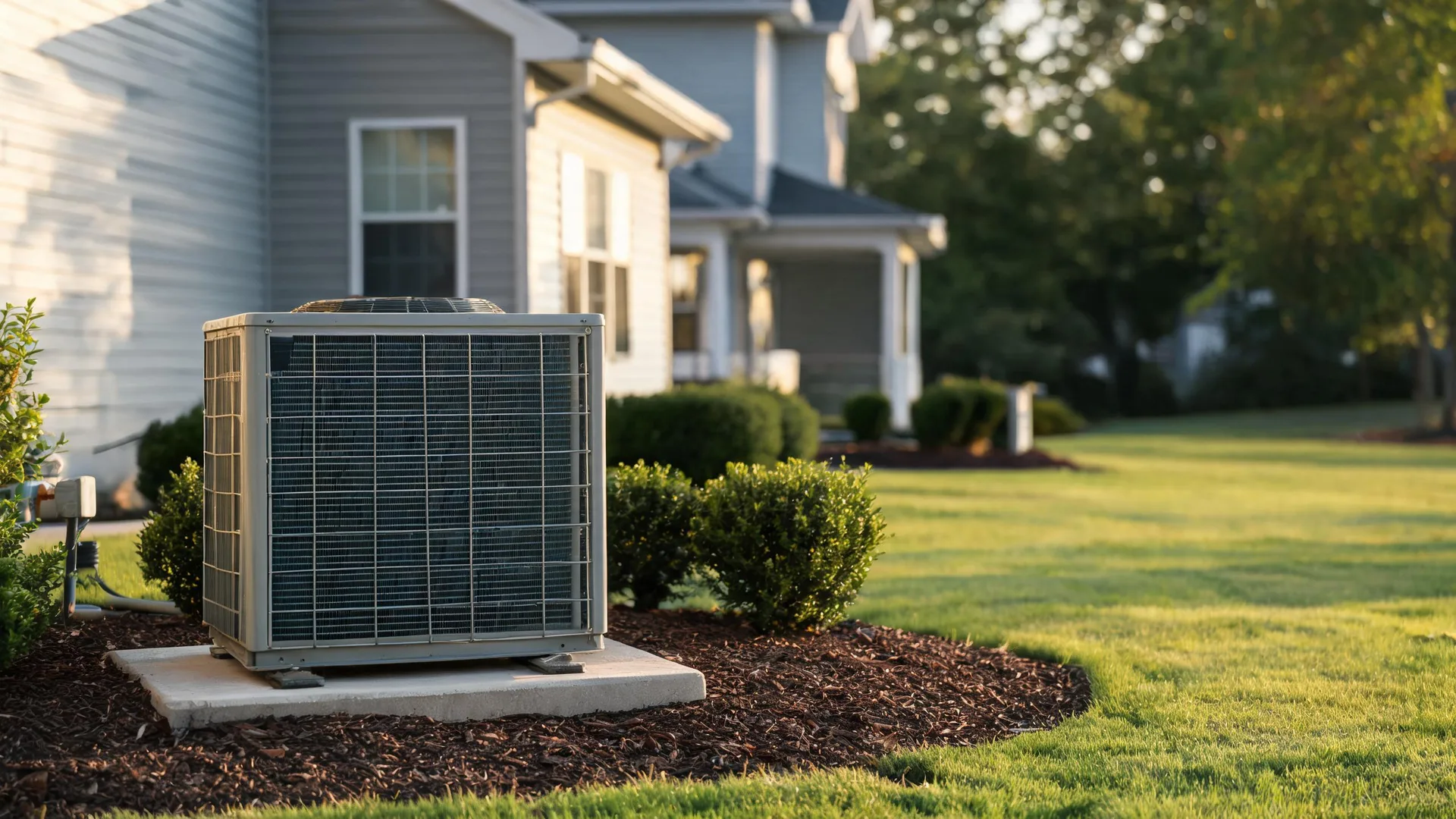
A gray heat pump condenser unit mounted on a concrete pad against the gray lap-siding exterior wall of a house.

What actually wears out

A heat pump fails the same few ways regardless of where it sits. The reversing valve sticks, so the system gets stuck heating when it should defrost or stuck in defrost when it should be heating. The run capacitor weakens and the outdoor fan or compressor struggles to start, then draws harder every time it does. Refrigerant leaks slowly from a fitting or coil, and as the charge drops the system loses capacity before anyone notices a drop in comfort. The defrost board or sensor fails, and frost builds on the outdoor coil until the unit can't pull heat from the air at all. Contactors pit and stick from the sheer number of times they open and close over a cycling system's life. None of these start as a breakdown. They start as a longer cycle, a coil that stays frosted a little past when it should clear, a compressor that hums before it kicks on. The parts carrying the heaviest load are the first to show it.

A frosted coil doesn't fix itself by running longer

If the defrost cycle isn't clearing the outdoor coil, letting the unit keep running just packs more frost onto it. Airflow drops, the compressor has to work harder to pull any heat at all, and the extra strain is what pushes a weak compressor toward a locked rotor. Shutting it down and calling someone beats letting it run itself into a bigger repair.
A refrigerant leak gets harder to find the longer it runs

A low charge makes the compressor work outside the conditions it was built for, running hotter and wearing itself down with every cycle. Keep running it low on charge and you're not just losing heat, you're shortening what's left of the compressor's life. The leak itself doesn't get worse with runtime, but the damage it causes downstream does.

Before calling anyone, check the thermostat is set to heat and the setpoint is actually above room temperature. Go outside and look at the unit itself. If the outdoor coil is caked in ice or snow, don't chip at it or hose it down, just note it and mention it when you call. Check that nothing is blocking airflow around the outdoor unit, no snow drift piled against it, no cover left on from last spring. Inside, pull the filter and hold it up to a light. If you can't see through it, that's airflow the system isn't getting, and it makes every other problem worse. Check your breaker panel for a tripped breaker before assuming the unit itself has failed. Listen for what the system is actually doing: a hum with no fan movement, a click that doesn't follow through to a running compressor, air coming out cold when it should be warm. Write down what you hear and when it happens. That's the kind of detail that saves a first visit from being spent just figuring out what's wrong.

A diagnostic visit starts before any panel comes off. Whoever shows up will ask what the system was doing right before it quit, and run it through a cycle to watch it fail the same way again. Gauges go on the lines to read the charge, because a system can look fine and still be low. The outdoor unit gets checked for frost patterns and the indoor coil gets a look too, since airflow problems show up on both ends. Electrical readings come next, checking what the capacitor and contactor are actually doing under load rather than just how they look sitting still. Most of this is ruling things out one at a time until only one explanation still fits what the system is doing.