
Heat Pump Repair in North Dakota
Across the counties where its people live, North Dakota recorded more severe weather from 2015 to 2024 than 33 of the other 49 states.
Tell us about the job
Takes about a minute. No obligation.
- 4°Fwinter overnight low where people live
- 9 monthsof heat, September through May
- 80°Fsummer afternoon high where people live
- 2 monthsof cooling, July through August
Nine months of heat wears it down. Coldest nights hit it hardest.
- Southern counties need about 20% more cooling than northern ones
- Winter nights average 4°F where people live
- Summer afternoons average 80°F where people live
- Heat runs September through May
- Cooling runs July through August
- 1,982 winter storms from 2015 to 2024

- Heat restored on both sides, so the air handler stops blowing cold air
- The reversing valve checked so the system switches between heating and cooling properly
- Frost on the outdoor coil traced to its cause, a bad defrost control or low charge
- Odd noises from the outdoor unit, grinding or clicking, run down to the part causing them
- A straight answer on whether the compressor is worth fixing or the unit is done
Half the homes in North Dakota were built in 1982 or later, so a lot of heat pumps out there sit in houses that aren't old at all. A system that came with a newer build usually hasn't had to fight bad ductwork or decades of wear on the rest of the house. If your heat pump came with a newer place, the odds favor fixing what's wrong over replacing the whole unit.
Homes here are newer than in most states, newer than in 28 of the other 49. That doesn't say anything about any one house, but it shifts the odds across the state as a whole. A heat pump installed with a newer home is more likely still within its working life. Worth checking when yours went in before you assume a breakdown means it's done.
Nine months of heating, two of cooling
Heat runs September through May here, nine months of the year. Cooling only covers July and August. So this machine spends most of its time heating, and that's where the wear shows up first. The switch to heating in September is often the hardest moment, after months of sitting idle through the cooling stretch. A weak defrost control or a tired compressor tends to wait until that first cold snap to fail. If yours is going to act up, early fall is when you'll likely see it.
2 months of cooling, July through August
9 months of heat, September through May
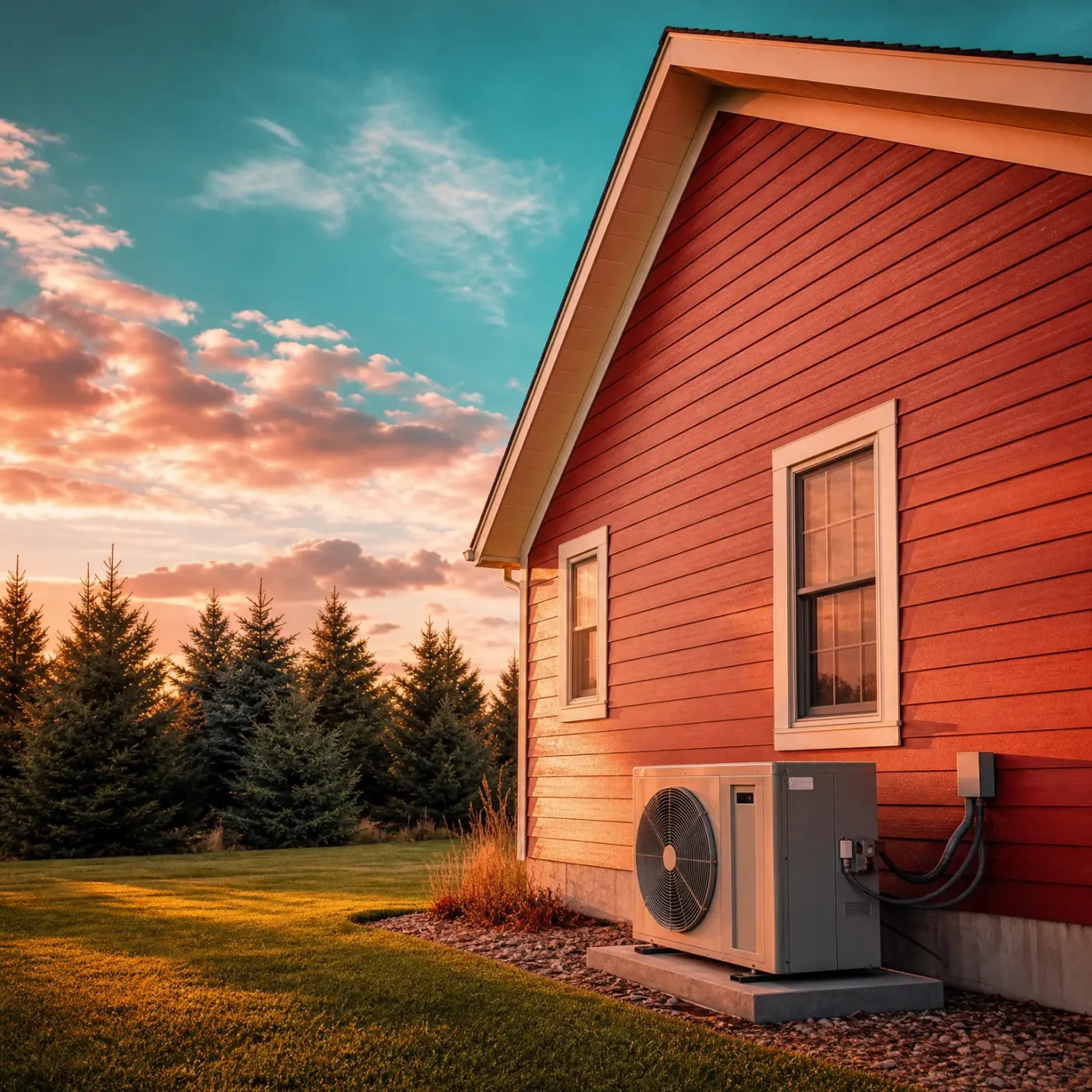
A heat pump in Towner County has a harder winter than one in Bowman County. Towner's nights average -1°F across December, January and February. Bowman's average 9°F. That gap shows up in how hard the compressor and the defrost cycle have to work on any given night.
Statewide, the overnight low across December, January and February averages 4°F where North Dakota's households live. North Dakota's winter nights are colder than in every other state. A heat pump pushed that hard is where a weak defrost control or a low charge turns into a system that won't hold heat.
Cooling load splits the other way. Homes in North Dakota's southern counties need about 20% more cooling over a year than homes in the northern counties. The reversing valve and outdoor coil in a southern county unit see more cycling through July and August, even with a short cooling stretch everywhere in the state.
North Dakota also sees weather that puts a unit through more than just cold. Winter storms, heavy snow, ice and blizzards, hit the state nearly two thousand times between 2015 and 2024. The outdoor unit sits exposed to all of it, year after year.
Where a heat pump sits in the state points to what's likely wrong. In the coldest counties, check the defrost control and compressor first. In the southern counties, the reversing valve and coil carry more of the wear.
What does a heat pump in North Dakota face?
How hot do summer afternoons get?
80°Faverage afternoon high where people live
Alaska66°F
Arizona101°F
How cold do winter nights get?
4°Faverage overnight low where people live
North Dakota4°F
Hawaii65°F
How many months does the heat run?
9 monthsof heating a year
Hawaii0 months
Alaska12 months
What does electricity cost?
11.51¢per kWh (kilowatt hours, the unit on an electric bill), what homes paid in 2024
North Dakota11.51¢
Hawaii42.86¢
How often do storms hit?
238severe weather events per county from 2015 to 2024
Alaska5
Wyoming1,057
How many homes lost power for a day or more?
7%of homes in 2024
Arizona7%
Maine54%
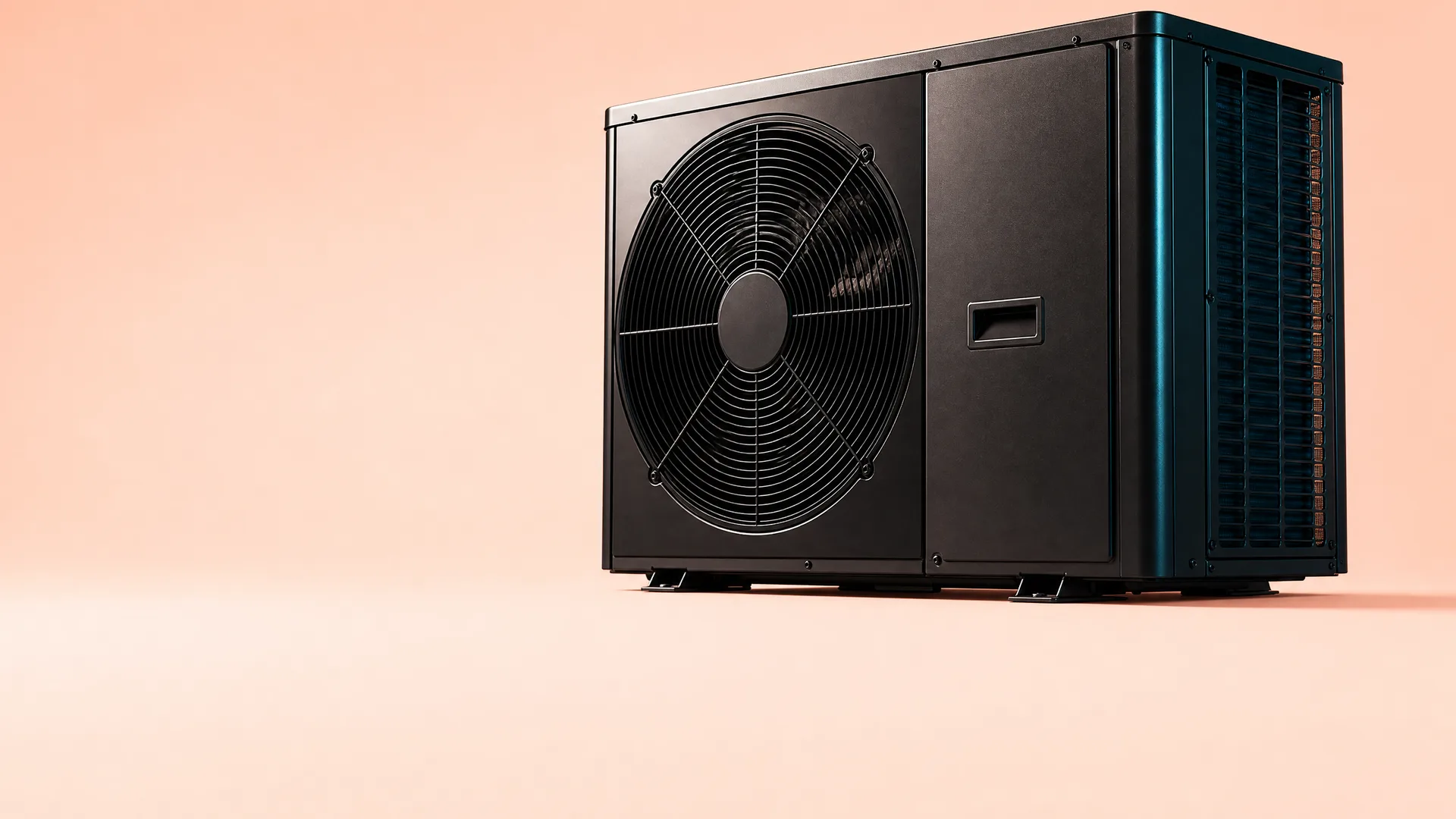
What it costs to run isn't what's wrong with it
Electricity here runs cheaper than in any other state, 11.51 cents a kilowatt-hour. That doesn't make the compressor work less. North Dakota homes that cool with electricity used about 2.9 million Btu (British thermal units, a measure of heat) doing it over a year, a light load for a unit that earns its keep on the heating side instead. The low power rate doesn't change what a bad defrost board or a weak compressor needs fixed. It just means running this one costs less once it's working right.
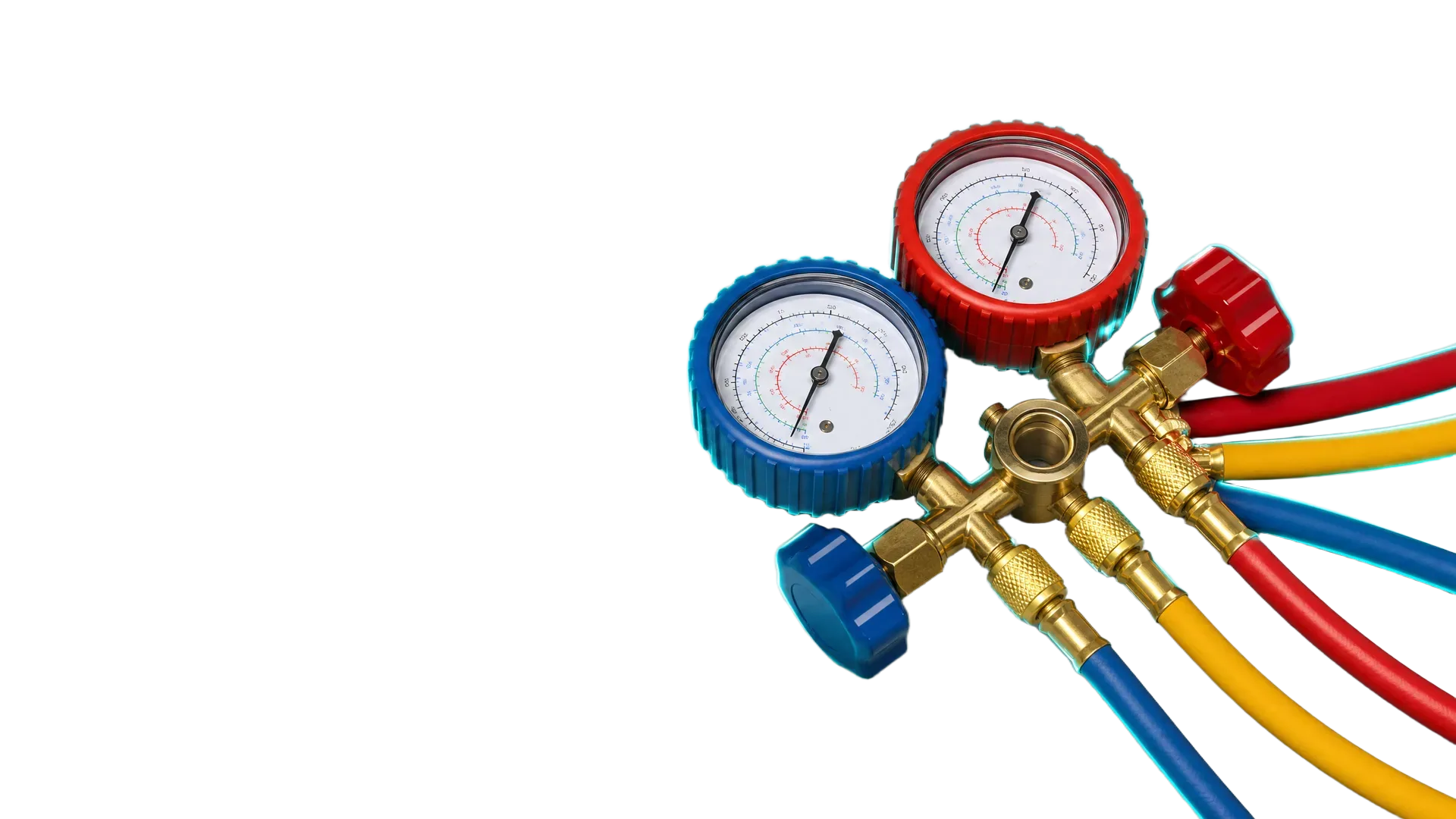
What a failing heat pump sounds and feels like
Short cycling is one of the clearest signs, the unit kicking on, running a few minutes, then shutting off before it's actually heated the house. That points to a thermostat problem, a refrigerant charge that's off, or a compressor starting to go. Ice on the outdoor coil that doesn't clear is another one. Some frost in winter is normal, the system clears it through the defrost cycle on its own. Frost that stays means that cycle isn't running right, usually a bad defrost control or a failed sensor. Air from the vents that's lukewarm instead of hot, or cold when it should be heating, often traces back to the reversing valve not switching modes the way it should. Listen for anything new from the outdoor unit. A grinding or squealing usually means a motor bearing is wearing out. A hard clicking that repeats means something electrical, often a relay or capacitor, is failing to make good contact. A hissing near the lines can mean refrigerant is escaping where it shouldn't. None of this means the unit is finished. Most of it comes down to one part, the control board, the valve, the capacitor, and a tech can confirm which one with the system running in front of them.
What to check before the tech shows up
Before anyone comes out, check the thermostat first. Make sure it's set to heat and a few degrees above room temperature, and swap the batteries if it uses them. Then look at the outdoor unit. Clear away any snow or ice piled against it, and make sure nothing blocks airflow on any side. A heat pump buried in a drift can't move air no matter what's wrong inside it. Check the air filter next. One clogged with dust and pet hair chokes airflow across the indoor coil, and that alone can cause weak heat, ice buildup, or a system that short cycles. If you can get to the breaker panel, make sure the breakers for both the indoor air handler and the outdoor unit haven't tripped. Some frost on the outdoor coil in winter is normal. Walk away and check back in an hour. If it's gone, the defrost cycle did its job. If it's still built up heavy, mention that to the tech before they arrive, it points straight at the defrost control. None of this fixes a bad compressor or a failing reversing valve, but it rules out the simple stuff before someone has to come look.
Nine months of heating a year wears a heat pump down fast in North Dakota.
Tell us about the job
Takes about a minute. No obligation.
Fill out the form once and a licensed contractor will tell you straight what's wrong.