
AC Maintenance in North Dakota
Electricity costs homes less in North Dakota than in 49 of the other 49 states.
Tell us about the job
Takes about a minute. No obligation.
- 80°Fsummer afternoon high where people live
- 2 monthsof cooling, July through August
- 11.51¢ per kWhwhat homes paid for power in 2024 (kWh means kilowatt hours, the unit on an electric bill)
- 2,507hail events from 2015 to 2024
Two cooling months a year is light duty Hail outside is the bigger risk
- Southern counties need about 20% more cooling than northern ones
- Summer afternoons average 80°F where people live
- Cooling runs July through August
- 2,507 hail events from 2015 to 2024
- 3,205 damaging wind events from 2015 to 2024
- 7% of homes lost power a day or more in 2024


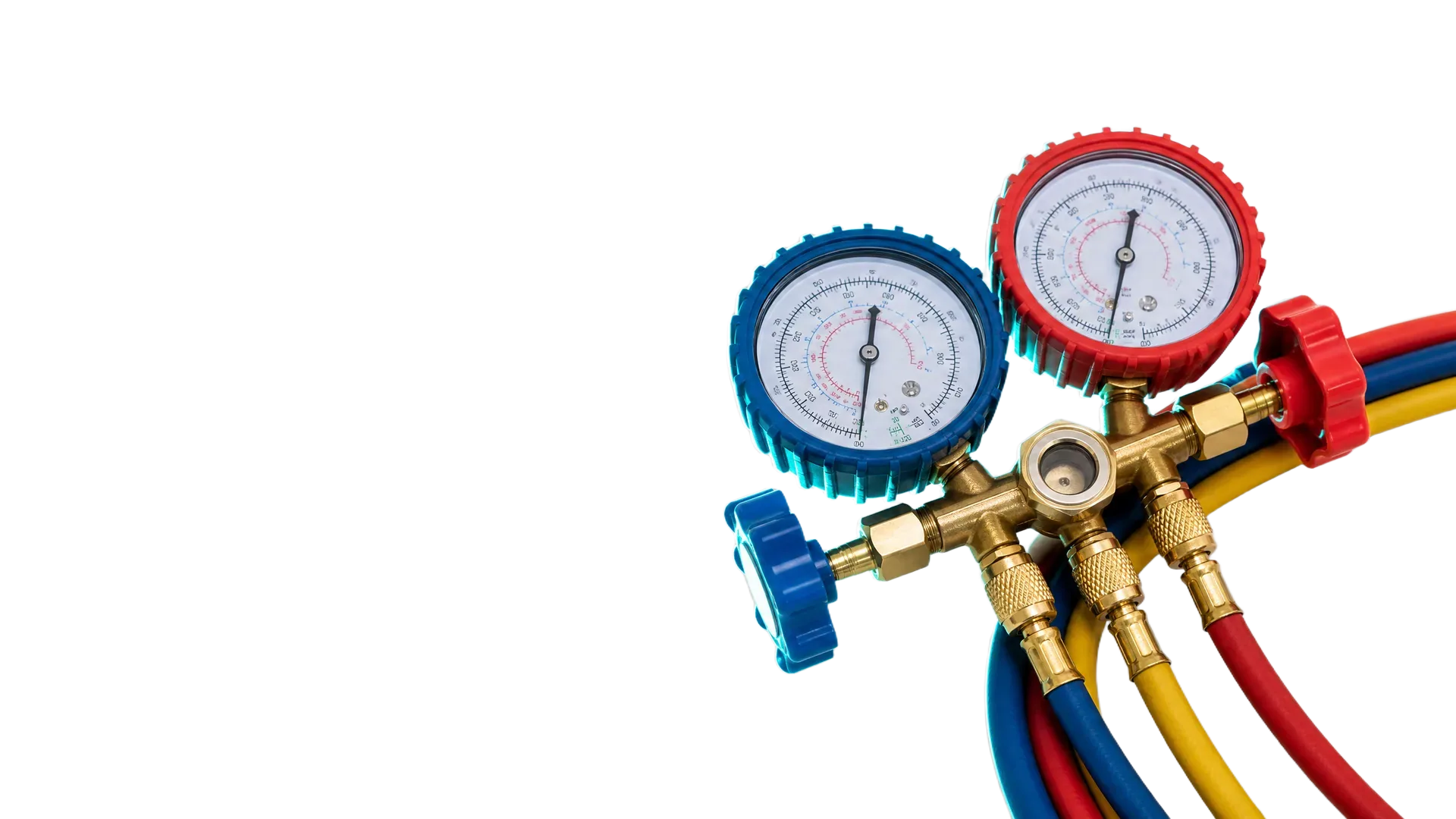
A quick visit usually means someone checks the refrigerant pressure, looks at the air filter, and listens to the unit run for a minute before writing up the invoice. A thorough one means the condenser coil gets washed out, not just glanced at, because dirt and grass clippings packed between the fins block airflow and make the compressor work harder than it should. The technician should also pull the blower access panel and check the capacitor's output against what it's rated for, since a capacitor can test as working while still being weak enough to cause a hard start. Refrigerant charge should get checked against the system's actual superheat and subcooling numbers, not just a glance at the gauge.
Watch what happens at the outdoor unit. A tech doing real work will straighten bent fins on the condenser coil, check that the contactor isn't pitted from years of arcing, and make sure the condensate drain isn't growing algae or clogged with debris, since a blocked drain backs up and can shut the whole system down. They'll also check the fan motor bearings for play and confirm the disconnect box is wired tight, because a loose connection there heats up and burns over time. Someone just topping off refrigerant without checking for a leak first isn't fixing anything, they're covering the symptom and leaving the real problem to show up again.
Short summers mean less strain, so a yearly check goes a long way
Cooling runs about two months here, July and August, with afternoons averaging 79 degrees. That's a shorter season and a milder one than most of the country sees. The compressor isn't straining through a long summer, so it has less reason to wear out early. What takes a toll here instead is what happens when the unit isn't running at all. Hail hits this state more than most, and a damaged condenser coil or bent fins from a storm won't show up until the first hot day, when the system can't keep up. A yearly check catches that kind of damage before the season does.
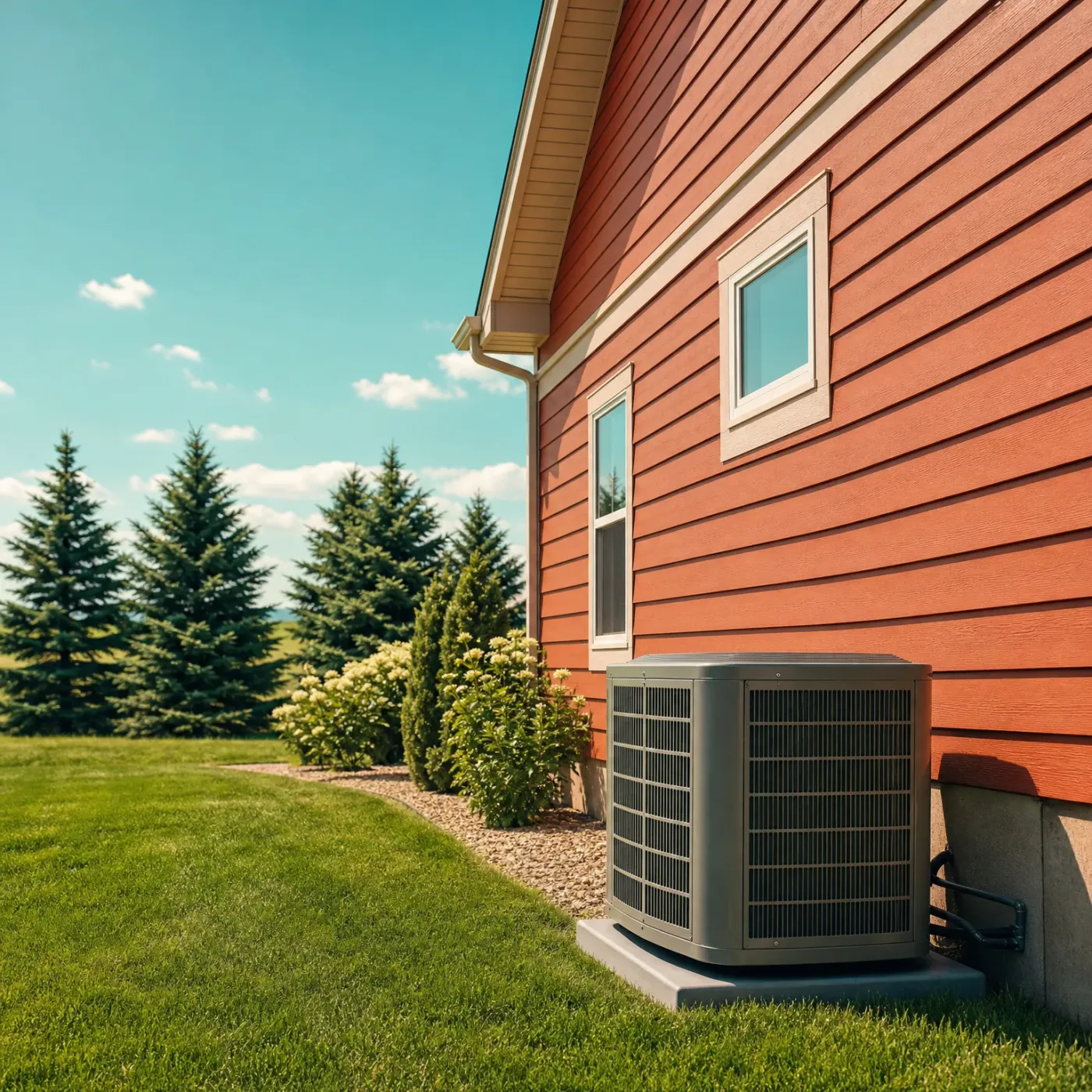
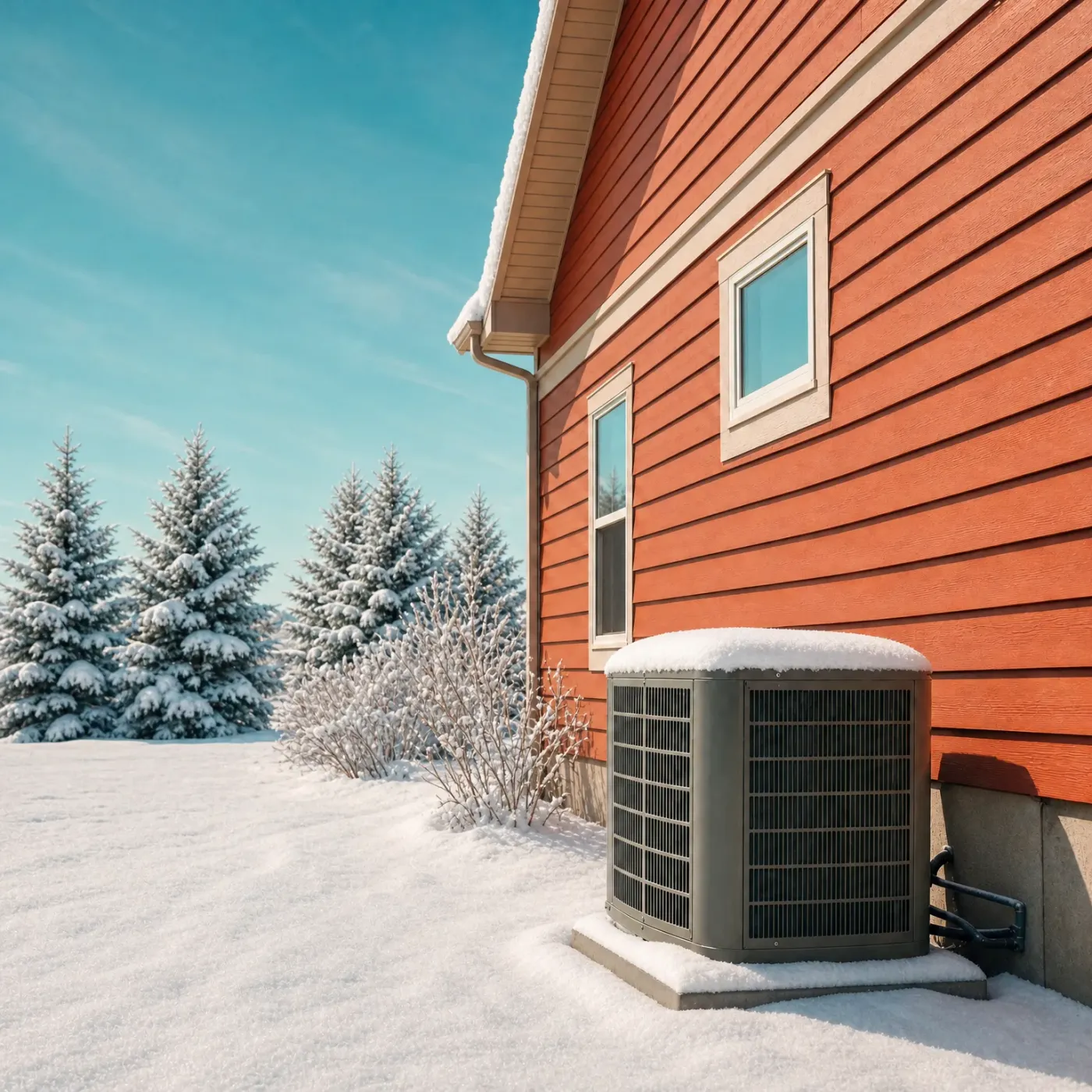
2 months of cooling, July through August
9 months of heat, September through May
Cooling need isn't the same everywhere in the state. Homes across the southern counties run about 20% more cooling over a year than homes up north, and that gap shows up in how hard the system works each summer.
Cass County homes run cooling about three months a year, the longest stretch in the state. Rolette County homes run about one month, the shortest. A system in Cass County is putting in more hours over the season than one in Rolette County, which changes when the yearly check is worth scheduling.
If your home is in Cass County or elsewhere in the southern counties, get the system checked before summer starts, since it's carrying more of the season's load. Further north, where the season runs shorter, hail and wind matter more than runtime, and the check still belongs on the calendar every year.
What does an AC in North Dakota face?
How hot do summer afternoons get?
80°Faverage afternoon high where people live
Alaska66°F
Arizona101°F
How many months does the cooling run?
2 monthsof cooling a year
Alaska0 months
Hawaii12 months
What does electricity cost?
11.51¢per kWh, what homes paid in 2024
North Dakota11.51¢
Hawaii42.86¢
How often do storms hit?
238severe weather events per county from 2015 to 2024
Alaska5
Wyoming1,057
How many homes lost power for a day or more?
7%of homes in 2024
Arizona7%
Maine54%
The unit tells you before it quits
Most people call when the air coming out doesn't feel cold enough. That's already the system struggling, not the first sign of trouble. Short cycling is earlier and easier to miss. The unit kicks on, runs a couple minutes, shuts off, then starts again soon after. That's often a dirty filter choking airflow or a thermostat sensor reading the room wrong, and either one makes the compressor start far more often than it's built for. Listen for a low hum where the outdoor unit should be running. That usually means the capacitor died or the contactor failed, and the compressor is sitting there drawing power with nowhere to send it. A new rattle or squeal means a fan blade hitting something it shouldn't, or a motor bearing wearing out. Ice on the refrigerant lines points to blocked airflow between the blower and the coil, or a charge that's dropped low enough that the coil can't stay above freezing. None of these mean the system is done. They mean it's telling you what it needs before it decides for itself.
What's wrong doesn't always look wrong
A homeowner sees the filter and maybe the thermostat. That's it. Everything else that actually runs the system is sealed in the cabinet or sitting outside under a cover, and most of it fails slowly enough that nothing seems wrong until it's wrong all at once. The run capacitor loses strength over years, not days. It'll still start the compressor right up to the point where it won't, and there's no warning sound or smell before that happens. Refrigerant charge works the same way. A system low on charge still blows cold, just not cold enough, and most people blame the weather before they'd think to blame the charge. A tech checking superheat and subcooling catches that drift months before the house stops cooling on a hot afternoon. The condenser coil tells a story too, but only if someone pulls the cover and looks. Fins packed with debris choke airflow gradually, and the compressor just works harder to make up for it, drawing more current and running hotter than it should for years before it finally gives out. None of that shows up from the thermostat. It shows up in the readings a tune-up actually takes.
Newer systems still need the yearly look
Half the homes in North Dakota were built in 1982 or later. That puts a lot of these systems within reach of their original equipment, or at least not far past a first replacement. A system that age doesn't need much work to keep running right, mostly the yearly check and a filter changed on schedule. Most homes here, 63.1%, are detached single-family houses with their own outdoor unit sitting in its own yard, exposed to whatever hail comes through, which is why the check matters even when the equipment itself is young.
Hail is the risk to plan for, so get the system checked every year even while it's still new.
Tell us about the job
Takes about a minute. No obligation.
Fill out the form once and a licensed North Dakota contractor gets in touch to schedule the visit.