
AC Installation in North Dakota
Electricity costs homes less in North Dakota than in 49 of the other 49 states.
Tell us about the job
Takes about a minute. No obligation.
- 80°Fsummer afternoon high where people live
- 2 monthsof cooling, July through August
- 11.51¢ per kWhwhat homes paid for power in 2024 (kWh means kilowatt hours, the unit on an electric bill)
- 2,507hail events from 2015 to 2024
Electricity here is cheaper than almost anywhere A high-efficiency model pays back slowly
- Southern counties need about 20% more cooling than northern ones
- Summer afternoons average 80°F where people live
- Cooling runs July through August
- 2,507 hail events from 2015 to 2024
- 3,205 damaging wind events from 2015 to 2024
- 7% of homes lost power a day or more in 2024

- A unit sized for your house, not your old equipment, so it isn't struggling on the hottest days
- Matched condenser and coil, which does more for efficiency than either part alone
- Fresh refrigerant lines and electrical connections instead of whatever the old system had
- The thermostat set up for this specific equipment instead of left on default settings
- Ductwork checked for leaks before the new system goes in, since air loss cuts cooling short

Gas heats more homes in North Dakota than anything else, 41.3 percent, with electricity close behind at 40 percent. Propane covers another 13.5 percent, mostly homes without gas lines nearby. None of that decides what cools the house in summer. Central air pairs with any of these heating setups, since the furnace or air handler just needs a coil added for the AC side to use.
If your home heats with gas or propane, the furnace likely has a blower already moved around for air conditioning to use. Electric heat usually means a heat pump or electric furnace, and either one can pair with a new outdoor condenser the same way. What matters more than the fuel is whether the ductwork already in place can handle the airflow a new system needs, which is worth having checked before you pick equipment.
Two months of cooling, so the timing is on you
Cooling here runs July and August, about two months a year. That's fewer months than 34 other states get. Put the new system in before July and it's ready for the first hot day instead of catching up to it. Wait until the heat actually arrives and you're calling at the same time as everyone else whose system just failed its first real test of the year.
2 months of cooling, July through August
9 months of heat, September through May
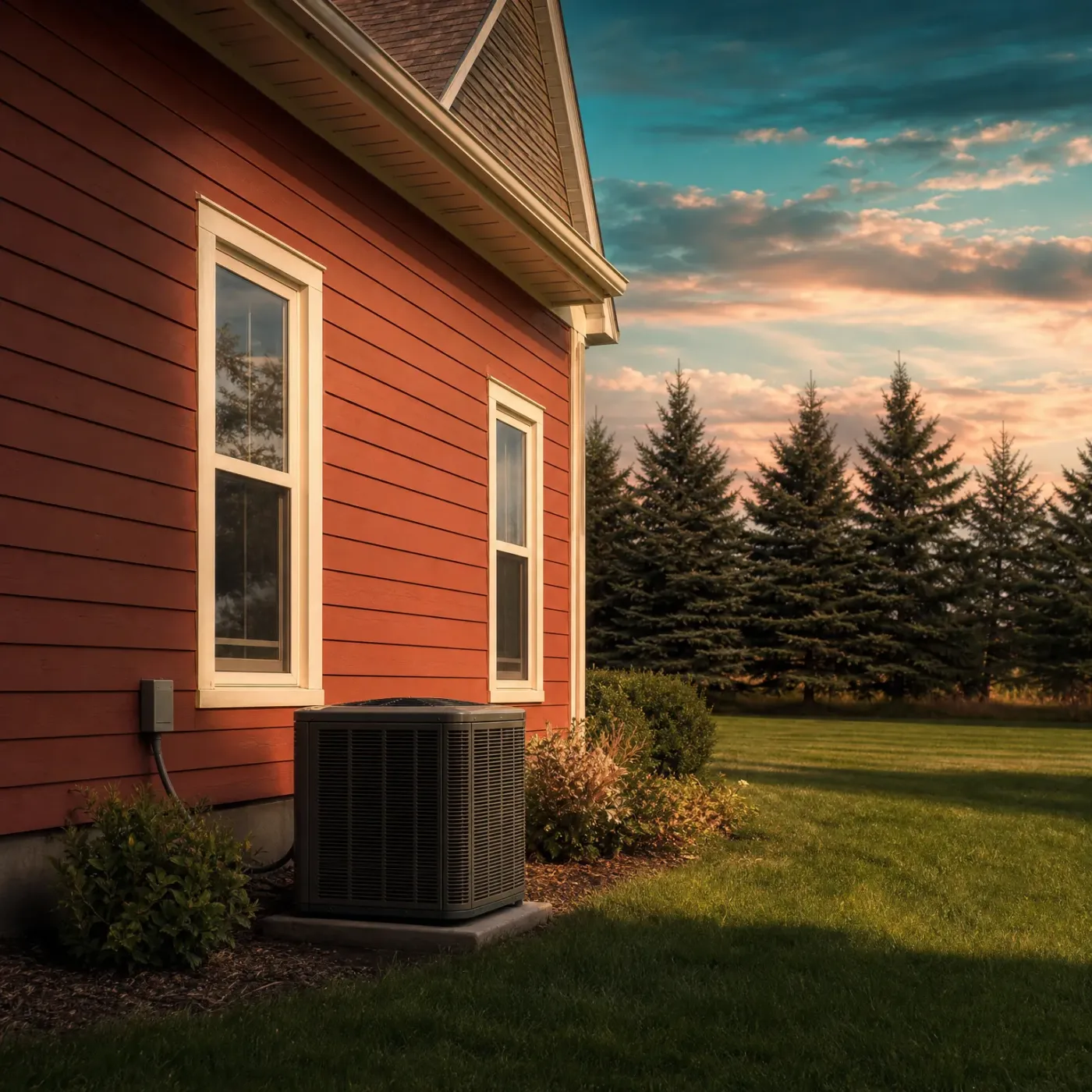
Cooling needs in North Dakota aren't the same everywhere. Homes across the southern counties need about 20 percent more cooling over a year than homes up north, so a system sized right for one end of the state can be sized wrong for the other.
Cass County runs cooling about three months a year, the longest stretch in the state. Rolette County runs it about one month. Both are still in North Dakota, both still need a system that matches the house, but the installer should know which pattern your county falls into before settling on equipment.
The afternoon high across June, July and August averages 79°F where most people in the state live. Summer afternoons here run cooler than in most other states, which tracks with cooling seasons that stay short.
North Dakota has also taken its share of hail over the past decade, more than most other states see. An outdoor condenser sits exposed to that. Where it goes and what protects it is worth asking about at installation, not after a storm.
What does an AC in North Dakota face?
How hot do summer afternoons get?
80°Faverage afternoon high where people live
Alaska66°F
Arizona101°F
How many months does the cooling run?
2 monthsof cooling a year
Alaska0 months
Hawaii12 months
What does electricity cost?
11.51¢per kWh, what homes paid in 2024
North Dakota11.51¢
Hawaii42.86¢
How often do storms hit?
238severe weather events per county from 2015 to 2024
Alaska5
Wyoming1,057
How many homes lost power for a day or more?
7%of homes in 2024
Arizona7%
Maine54%
Put it in before July, not during it
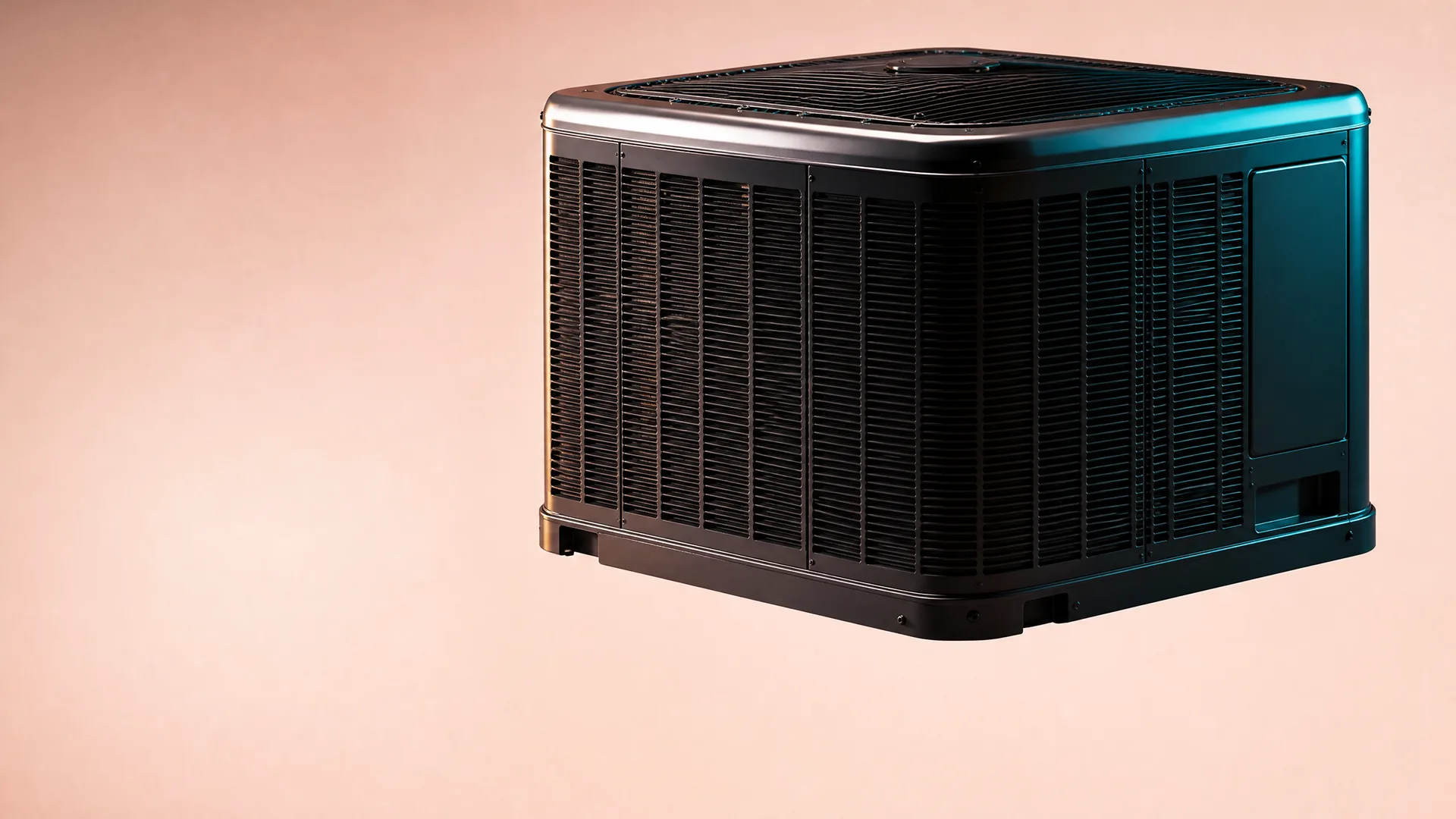
Two months is a short window to get a new system through its first real test. Homes here start running cooling in July, so June is the month to have the new condenser and coil already in and set up, not on order. A system put in during June gets checked and adjusted with nothing riding on it. One put in during the first heat wave gets whatever time the crew has between other calls.
Sizing isn't a guess, it's a calculation
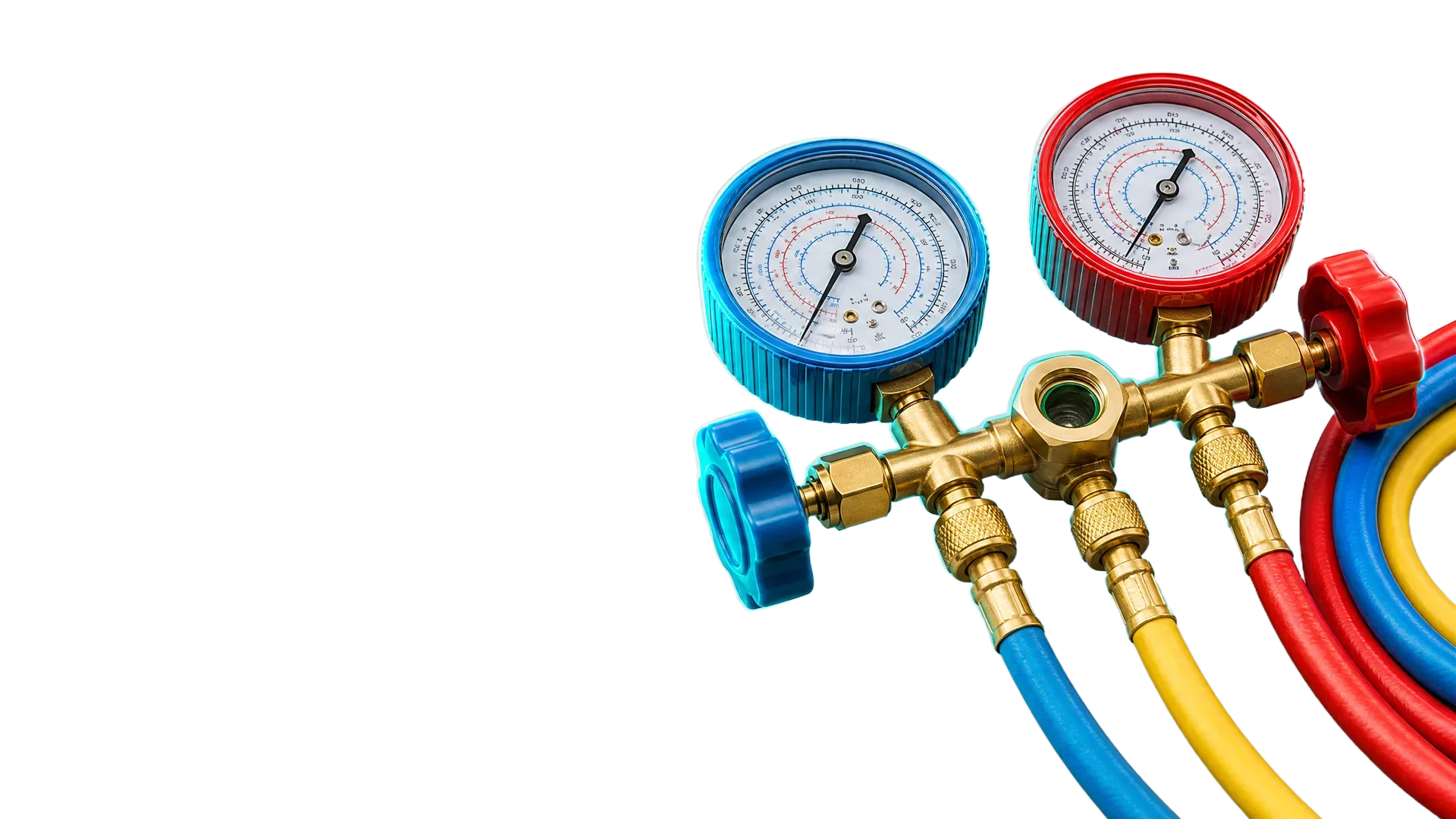
Sizing an air conditioner is not about picking the biggest unit available. A system too big for the house cools the air fast and shuts off before it pulls the moisture out, so the house feels cool and clammy at the same time, and the compressor spends its life cycling on and off instead of running a steady stretch. A system too small runs constantly on the hottest afternoons and still can't hold the temperature you set. Either mistake wears the equipment down faster than running it right. Getting the size right starts with a load calculation, a room by room look at square footage, window area and orientation, ceiling height, insulation, and how much shade the house gets. That calculation is what tells an installer the tonnage the house actually needs, not the tonnage the old system happened to be. Ductwork factors into it too. A correctly sized condenser paired with ducts that are too small or leaking will never deliver the air it's rated for, so the ducts have to be checked and matched to the equipment, not just left as they are because the old system ran off them.
Cheap power changes the math
North Dakota homes pay 11.51 cents per kilowatt-hour, cheaper than any other state in the country. That changes the math on which system to buy. A high-efficiency condenser costs more up front, and with power this cheap, the extra efficiency takes longer to earn back in lower bills. Run the numbers before paying extra for the highest SEER2 (seasonal energy efficiency ratio under the 2023 test, an AC's cooling efficiency over a season) rating on the lot. For a lot of homes here, a mid-efficiency system sized right for the house, installed well, and paired with ductwork that isn't leaking air will do more for comfort than chasing the top efficiency tier.
Most homes here heat with gas, so matching the new system to that setup is the simple path.
Tell us about the job
Takes about a minute. No obligation.
Fill out the form once, and licensed installers in North Dakota will reach out with quotes.