
AC Repair in North Dakota
Electricity costs homes less in North Dakota than in 49 of the other 49 states.
Tell us about the job
Takes about a minute. No obligation.
- 80°Fsummer afternoon high where people live
- 2 monthsof cooling, July through August
- 11.51¢ per kWhwhat homes paid for power in 2024 (kWh means kilowatt hours, the unit on an electric bill)
- 2,507hail events from 2015 to 2024
Short summers mean an easier job Two mild months, July and August
- Southern counties need about 20% more cooling than northern ones
- Summer afternoons average 80°F where people live
- Cooling runs July through August
- 2,507 hail events from 2015 to 2024
- 3,205 damaging wind events from 2015 to 2024
- 7% of homes lost power a day or more in 2024


Your house is probably newer than you think
Half the homes in North Dakota were built in 1982 or later. Most are single-family houses, not mobile homes, and that matters because a central AC system in a house like that is usually worth repairing rather than replacing. If your AC came with the house, there's a decent chance it's not as old as the knocking sound makes it seem. Get a tech to look at what's actually wrong before you write it off.

A low refrigerant charge is a good example of a problem that gets worse the longer it runs. The evaporator coil gets too cold, ice builds up on it, and that ice blocks airflow further, so the system struggles even more to cool the house. Keep running it in that state and the ice can work its way down toward the compressor. The compressor is the heart of the system, and it is not built to handle liquid refrigerant backing up into it. What starts as weak airflow and a hissing sound can end with a compressor that no longer runs at all.
A failing capacitor follows the same pattern. It helps the compressor and fan motor start up and keep turning smoothly, and as it weakens, those motors have to draw more current just to keep running. Motors get hot when they are forced to work like that. Let it go on and the strain stops being about the capacitor and starts wearing on the motor windings themselves. A unit that hums without starting, clicks repeatedly, or starts and stalls is telling you the capacitor has already failed and the system needs to be shut off until someone looks at it.
The first hot week finds what's already weak
July is when the season starts here, and July is when a weak part usually shows up. A system that sat idle all winter can hide a problem right up until that first real hot day asks it to run flat out. With only two months of cooling, there's no slow ramp-up where you'd notice something's off before it matters. If your AC is going to give you trouble this year, the first hot week is usually when you find out.
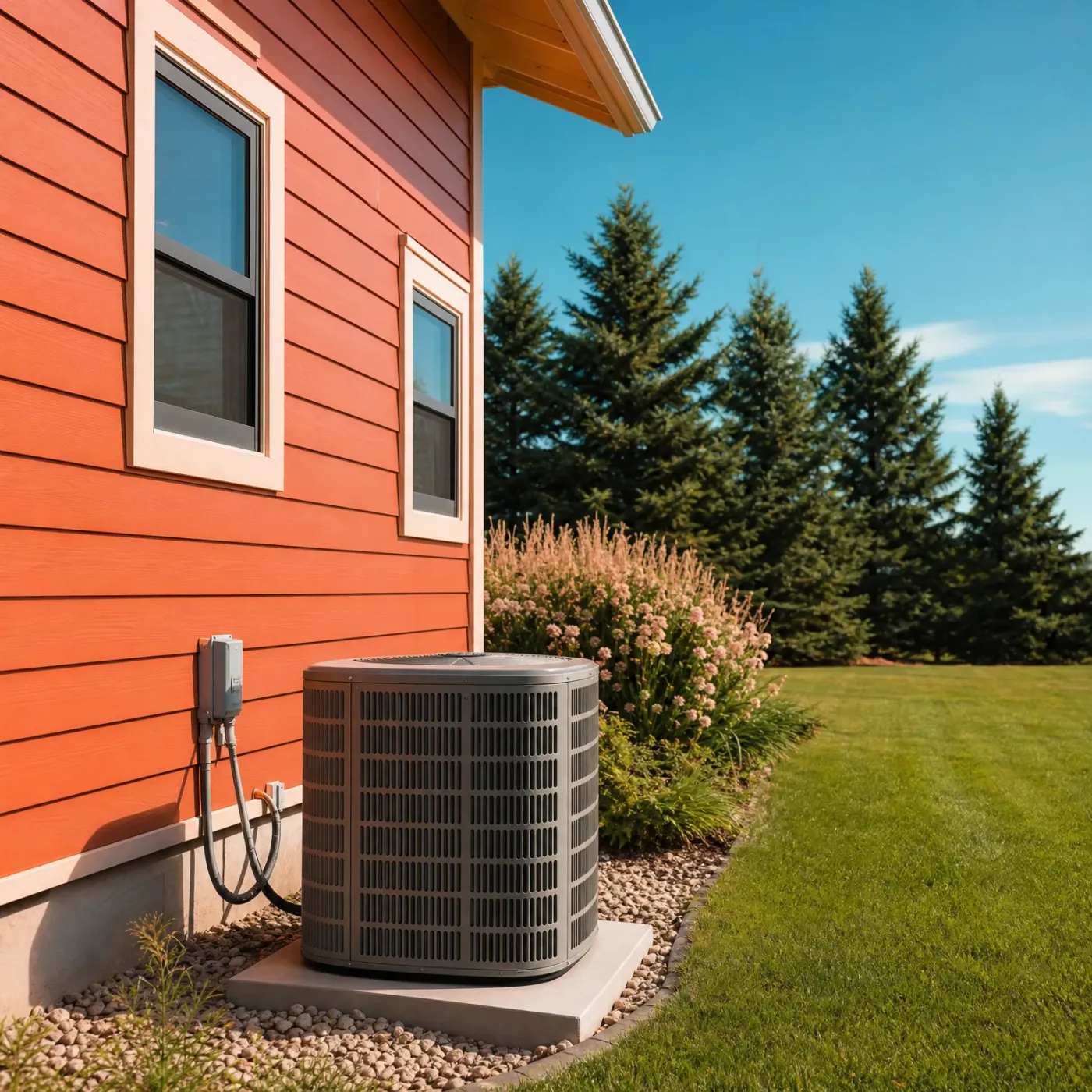
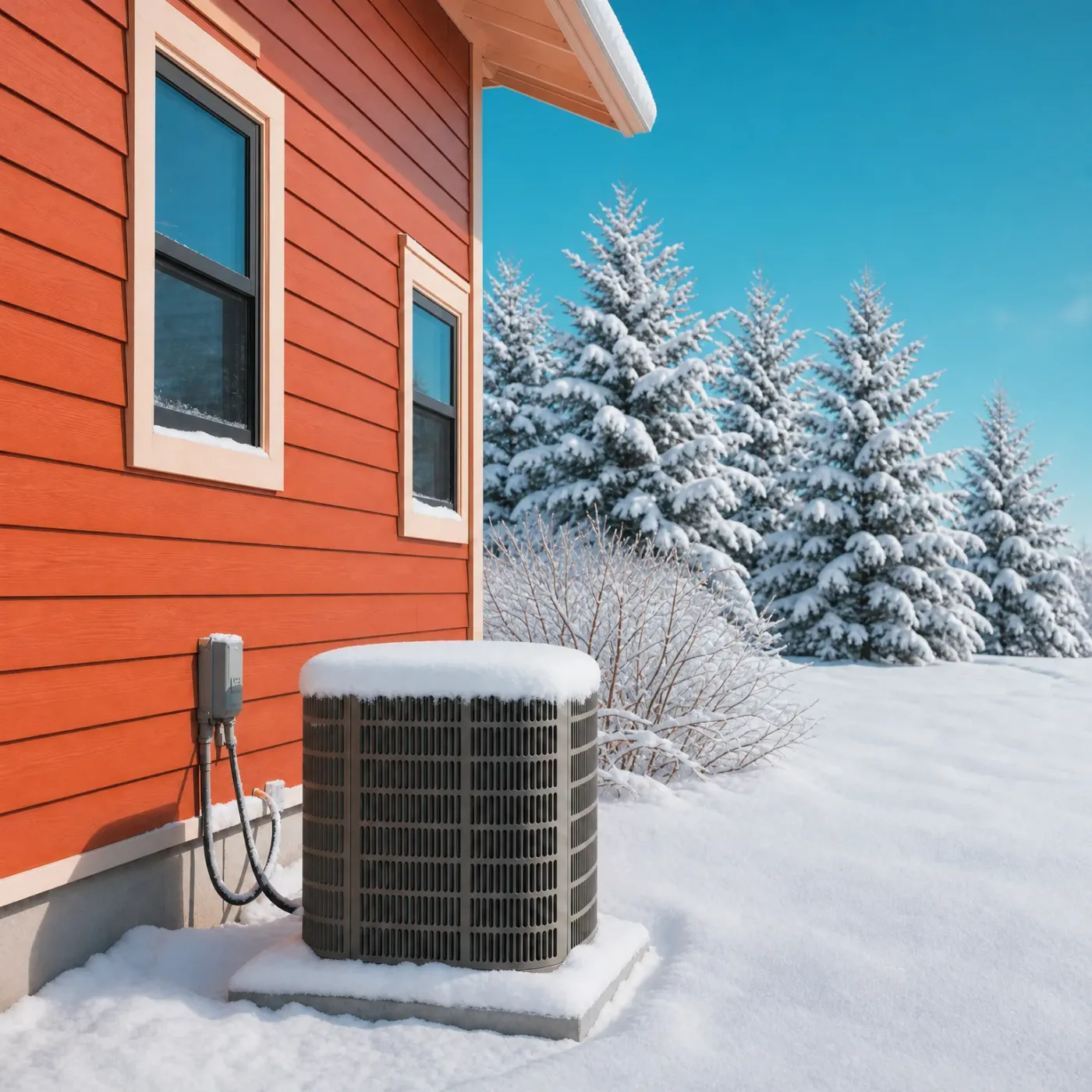
2 months of cooling, July through August
9 months of heat, September through May
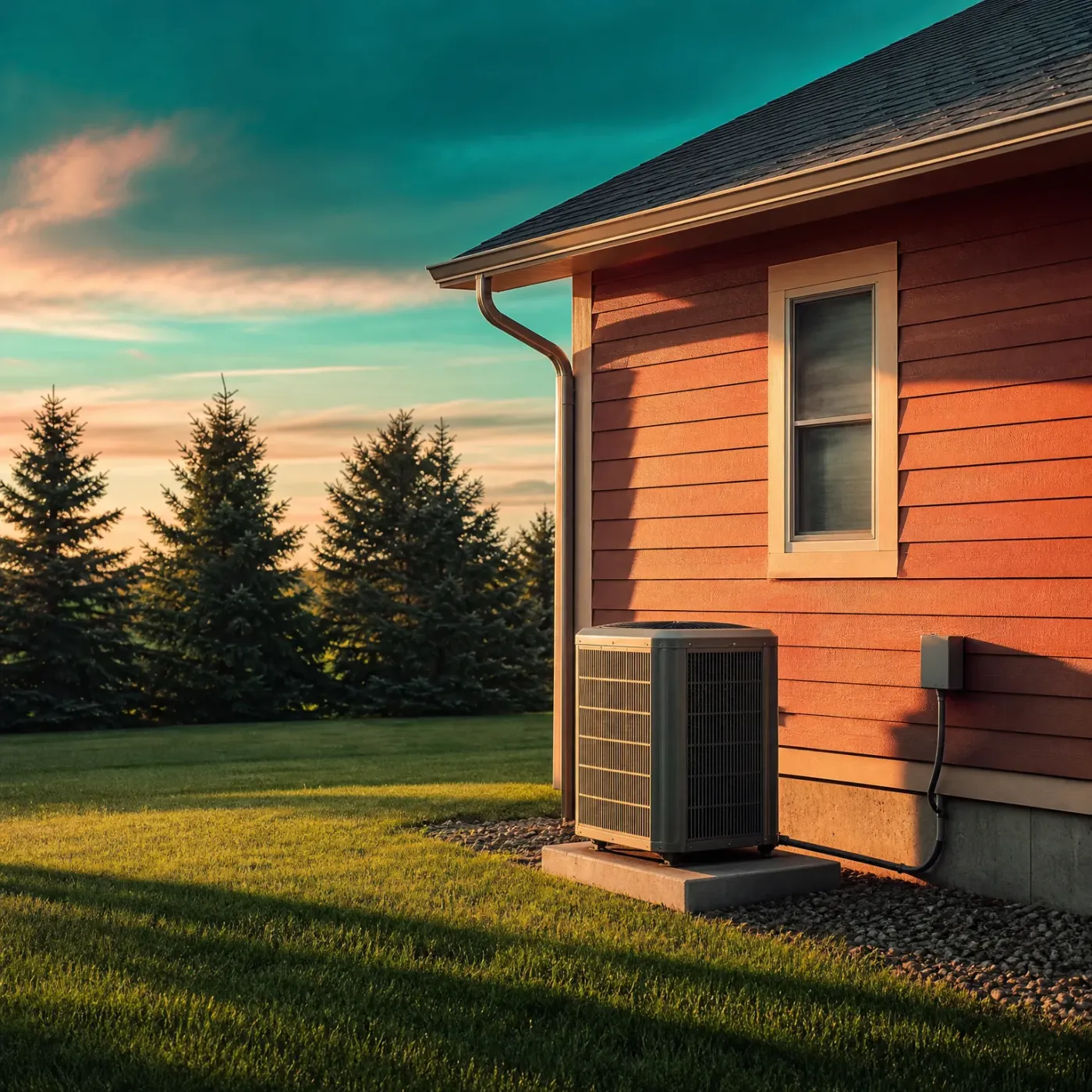
North Dakota doesn't ask the same amount of work from every unit in the state. Homes in the southern counties need about 20% more cooling over a year than homes in the northern counties, so a system in the south is putting in more hours even if nothing else about it is different.
Cass County runs cooling about 3 months a year, the longest stretch in the state. Rolette County runs it about 1 month, the shortest. More months of running means more starts on the capacitor and more chances for a low charge to turn into ice on the coil before anyone notices. A system in Rolette County can go years looking fine doing a job that would already be wearing on one in Cass County.
None of this is about one part of the state being hot in any dramatic way. The statewide afternoon average in summer is 79°F, and North Dakota's summers run cooler than 39 of the other 49 states. What changes from county to county is how many weeks the system gets asked to run, not how hard any single week pushes it.
Wind and hail don't follow that same north-south line. North Dakota recorded over 2,500 hail events between 2015 and 2024, more than in most other states. A unit that took a hit from hail or wind can end up with a bent fin or a damaged fan blade, and that kind of damage has nothing to do with how many months it's run. If the usual checks on refrigerant and the capacitor don't explain what's wrong, it's worth having someone look the outdoor unit over for a hit it took sitting outside.
What does an AC in North Dakota face?
How hot do summer afternoons get?
80°Faverage afternoon high where people live
Alaska66°F
Arizona101°F
How many months does the cooling run?
2 monthsof cooling a year
Alaska0 months
Hawaii12 months
What does electricity cost?
11.51¢per kWh, what homes paid in 2024
North Dakota11.51¢
Hawaii42.86¢
How often do storms hit?
238severe weather events per county from 2015 to 2024
Alaska5
Wyoming1,057
How many homes lost power for a day or more?
7%of homes in 2024
Arizona7%
Maine54%
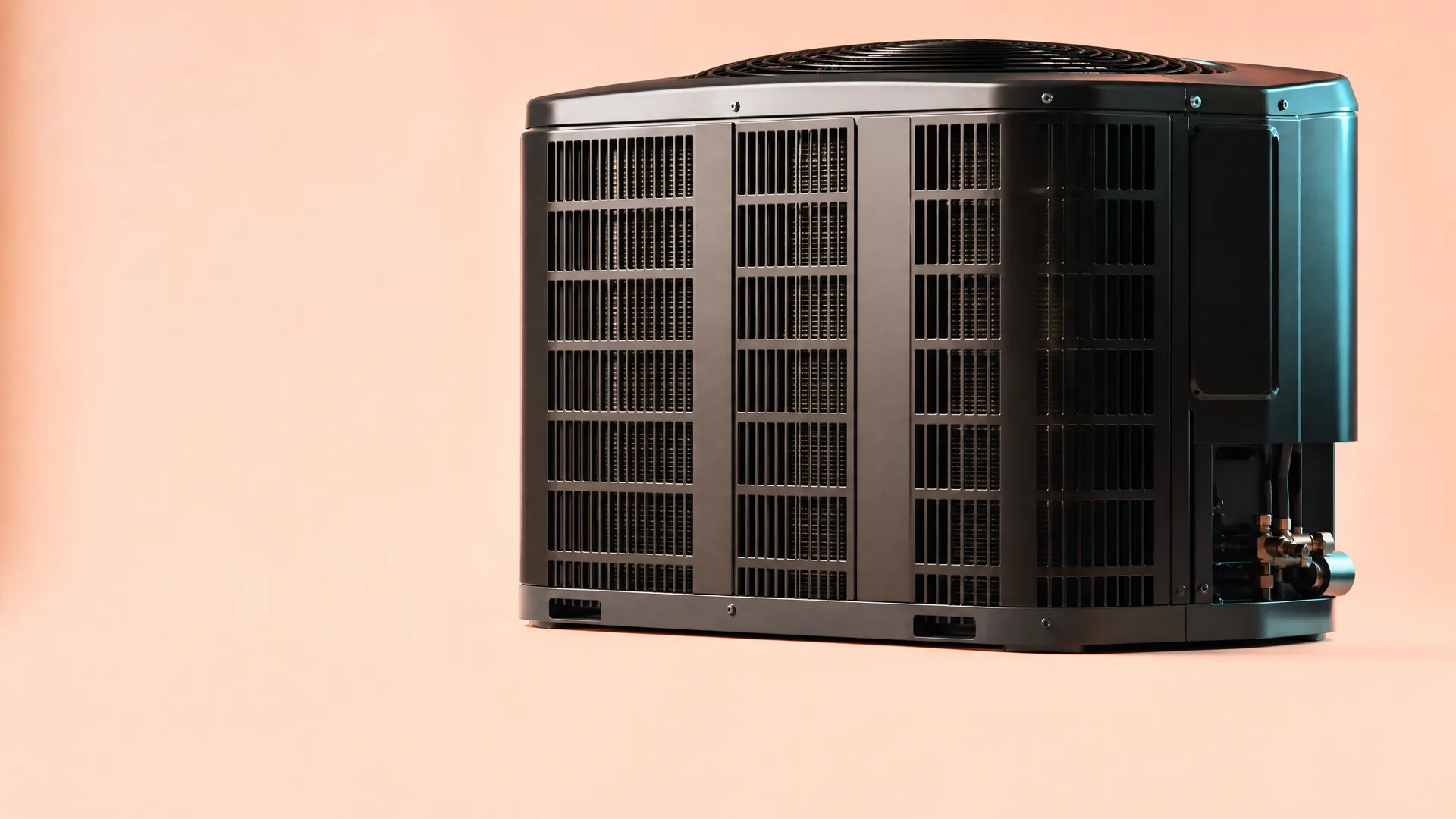
What the AC is telling you before it quits
Most of the time the AC gives you a warning before it quits for good. Warm air coming out of the vents with the thermostat set low usually means the system has lost refrigerant, or something is blocking airflow across the coil. A dirty filter can choke airflow the same way a frozen coil does, so that's the easy thing to check first. Short cycling, where the unit starts, runs a little while, then shuts off on its own, wears on the compressor no matter what's behind it. Water pooling near the indoor unit usually means the condensate line is clogged, and that one is worth fixing fast because it can damage the floor underneath it. A unit that runs constantly and never quite cools the house down is often low on charge, or the coil is so iced over or dirty it can't move heat anymore. None of these fix themselves by letting the system keep running. They get worse, and left alone long enough, some of them turn into a compressor replacement instead of a repair.
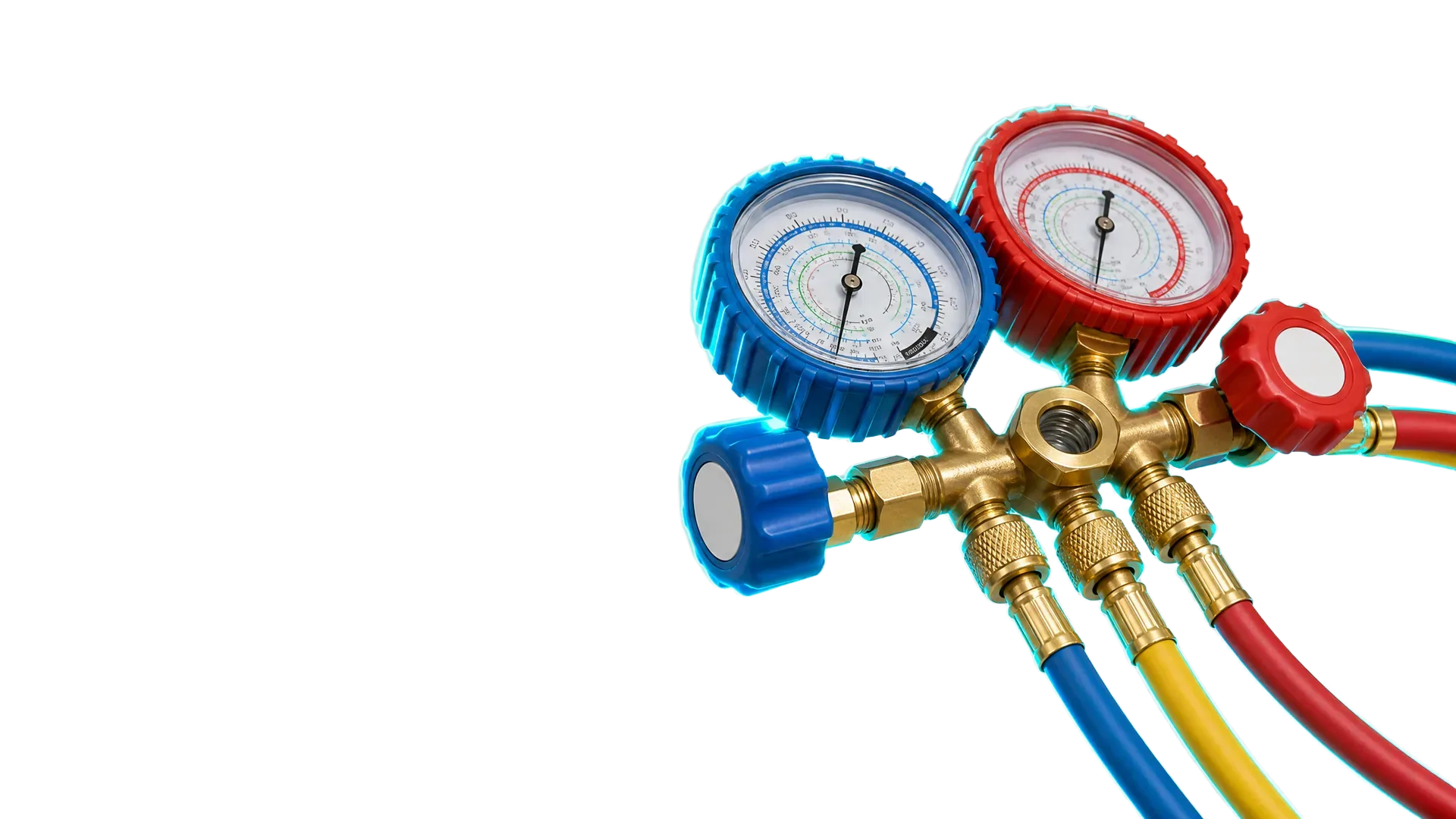
Before you call, check these
A few things are worth checking before anyone comes out. Pull the filter and hold it to a light. If light barely gets through, airflow is choked and the system is struggling for that reason alone. Check the thermostat is set to cool and set below room temperature, with fresh batteries if it takes them. Outside, look at the condenser and clear away leaves, grass clippings or anything piled against it on any side. Inside, check under the indoor unit for standing water. That usually means the condensate line is clogged, and it is worth acting on fast since water sitting there can damage the floor. Walk the house and check that furniture or rugs are not blocking the vents. One thing not to do is keep resetting the breaker if it trips. Once might be a fluke, but a system that trips it again right after needs to stay off until someone looks at it. A system that is icing over, short cycling or straining to start only gets worse the longer it keeps running.
A newer system than you'd guess
Half the homes in North Dakota were built in 1982 or later. If your AC came with the house, there's a good chance it's not as old as it sounds when it's struggling. Most homes here are detached single-family houses rather than mobile homes, and that's the kind of house a central AC system is built for. A newer house with a well-matched system is usually a repair, not a replacement, even when the problem looks serious from the vents.
July and August ask less of your AC here, so a repair usually makes more sense than a replacement.
Tell us about the job
Takes about a minute. No obligation.
Answer a few questions about what the AC is doing and a licensed contractor near you gets in touch.