Mini Split Installation in North Dakota
Electricity costs homes less in North Dakota than in 49 of the other 49 states.
Tell us about the job
Takes about a minute. No obligation.
- 80°Fsummer afternoon high where people live
- 2 monthsof cooling, July through August
- 4°Fwinter overnight low where people live
- 9 monthsof heat, September through May
Electricity here is the cheapest around payback is slow, comfort is the case
- Southern counties need about 20% more cooling than northern ones
- Summer afternoons average 80°F where people live
- Winter nights average 4°F where people live
- Cooling runs July through August
- 3,205 damaging wind events from 2015 to 2024
- 7% of homes lost power a day or more in 2024
- Each room gets its own thermostat, so you can cool one bedroom and leave another alone
- No ductwork needed, the indoor head mounts straight to the wall or ceiling
- A contractor can add more indoor heads later off the same outdoor unit
- The outdoor unit modulates instead of cycling on and off, holding steady through mild weather
- It heats as well as it cools, covering both jobs in the rooms it serves
Gas heats 41.3% of homes here, just ahead of electricity at 40.0%, with propane covering another 13.5%. A mini split runs on electricity, so it works alongside whatever already heats the house rather than replacing it. In a gas or propane home it can take over the mild stretch of the year and leave the furnace for the cold months. In an all-electric home it can carry more of the year on its own.
Fuel oil heats 1.9% of homes here, so most homeowners looking at a mini split are weighing it against gas, propane or electric heat, not oil. What it replaces matters more than the climate does. Taking a room off propane is a different question than taking it off electric baseboard. Either way, the outdoor unit gets sized for the room it serves, not for the whole house.
A light cooling load, with weather the outdoor unit has to sit through
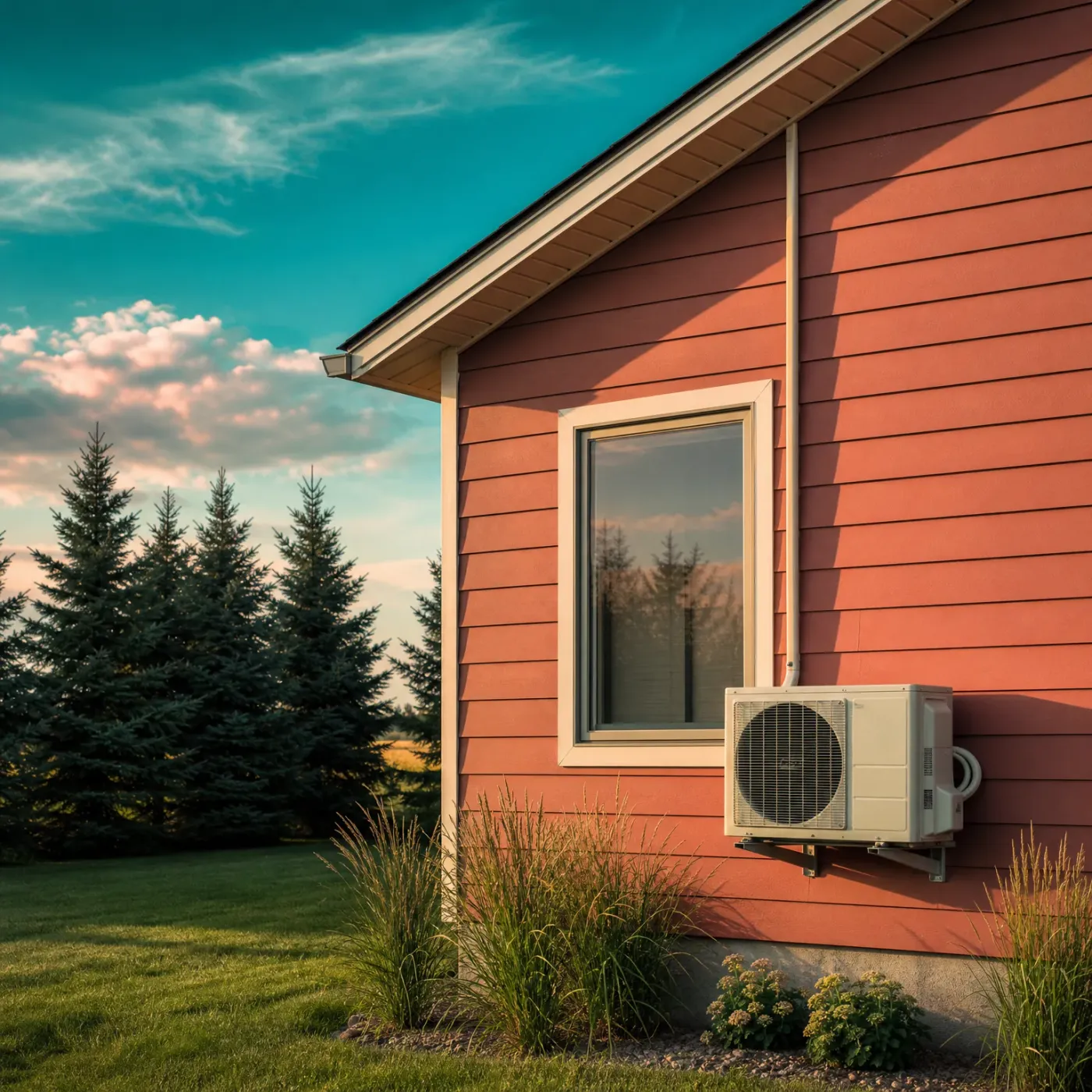
Cooling here only runs from July through August, and even then the afternoon averages 79. A mini split installed for comfort in North Dakota spends most of its year in heating mode or sitting idle, not straining against long summer heat the way it would further south. Wind and hail are the bigger risk to the outdoor unit than the workload is. Damaging wind has hit this state thousands of times over the past decade, and hail more than most states see. The unit itself is built for outdoor mounting, but where a contractor places it, clear of rooflines and drifting snow, matters more here than squeezing out another point of efficiency.
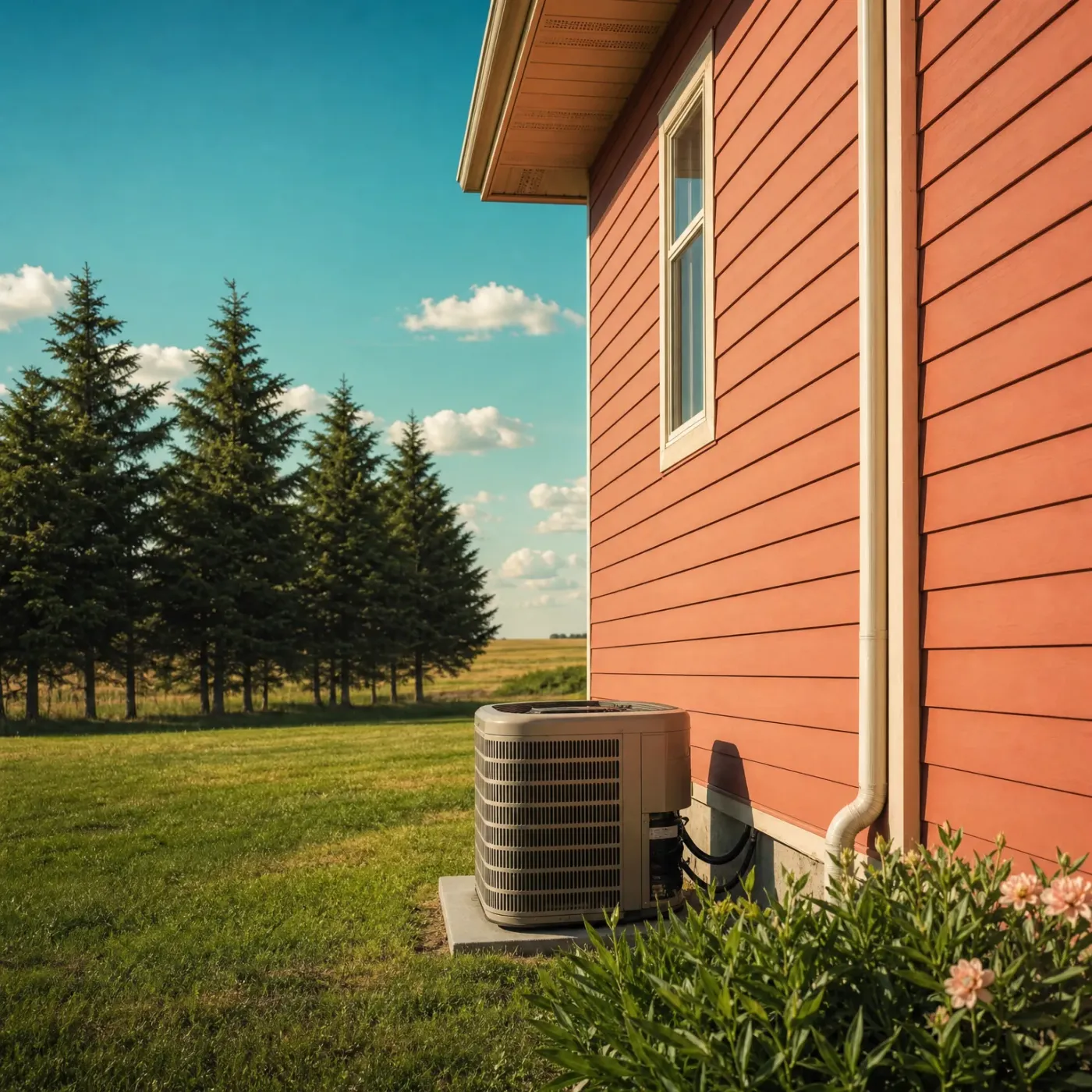
2 months of cooling, July through August
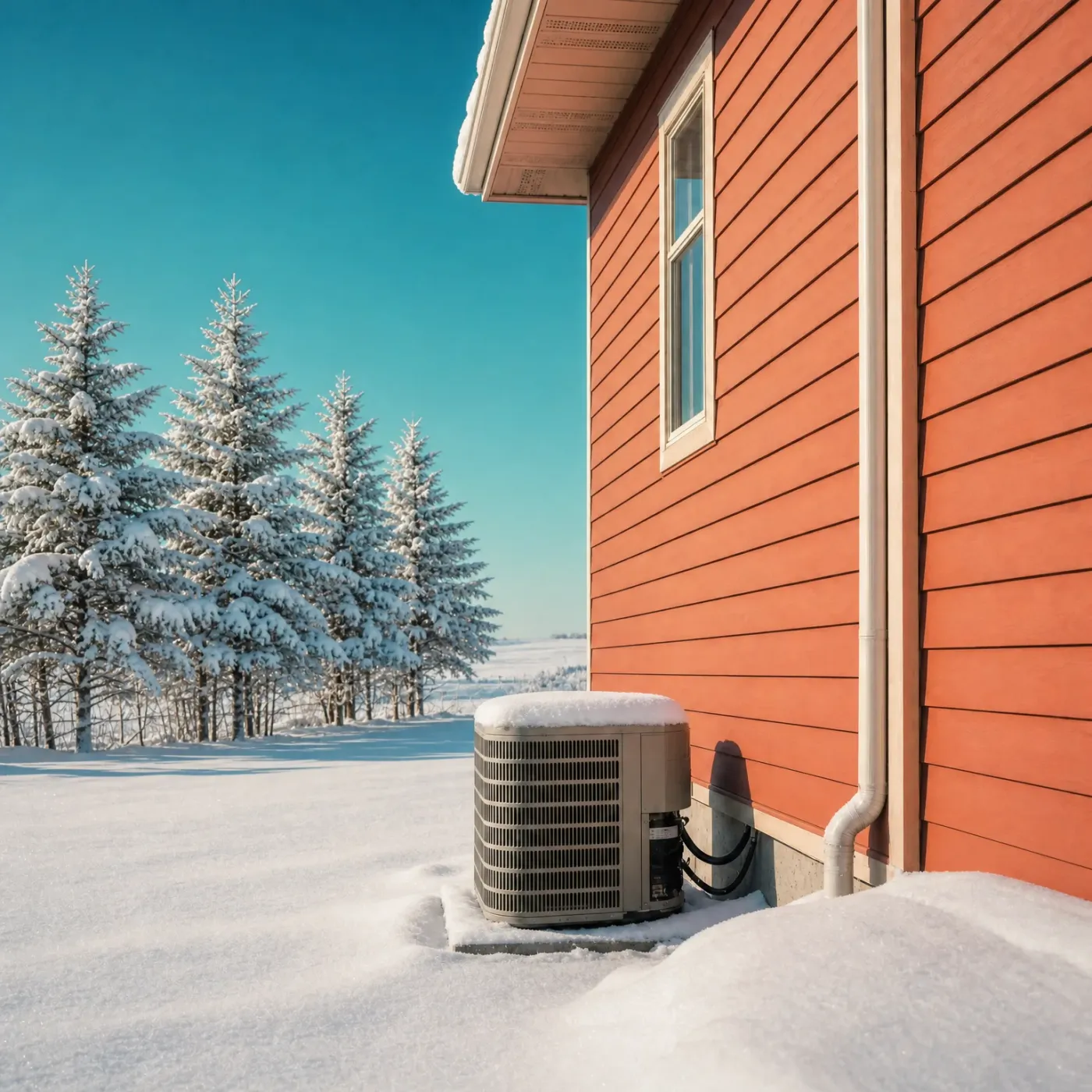
9 months of heat, September through May
Cass County runs cooling about three months a year, the longest stretch in the state. Rolette County gets about one. A mini split sized for a bedroom in Fargo is sitting through a different summer than the same unit in Rolette County, even though both are in North Dakota.
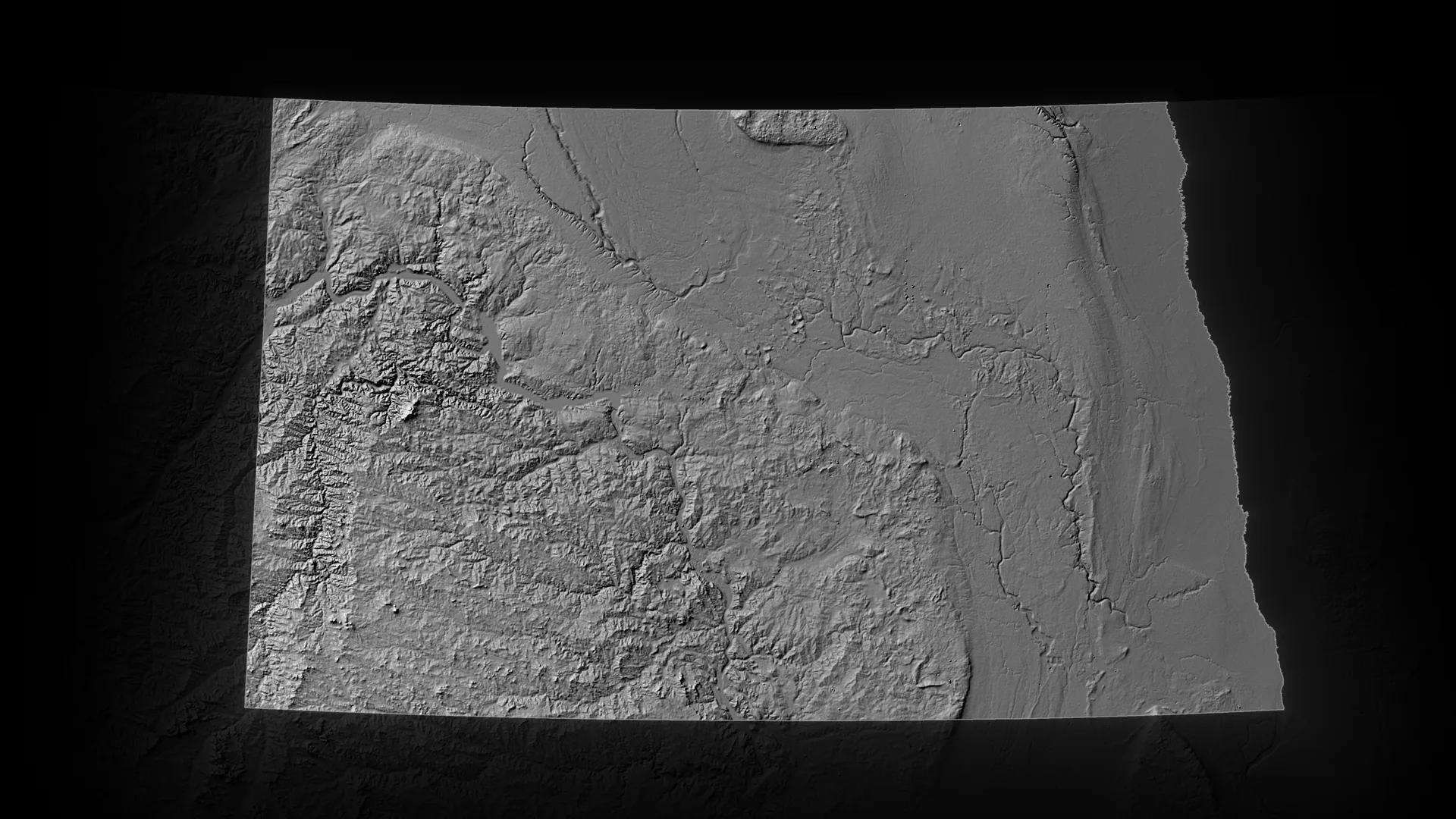
The split runs along a north-south line. Homes across the state's southern counties need about 20% more cooling over a year than homes across its northern counties. That gap is worth asking about before installation, since it changes how much work the outdoor unit does once summer gets there.
Set against the rest of the country, none of this is extreme. Homes here run cooling for fewer months than in 34 of the other 49 states, and summer afternoons run cooler than in 39 of them. A mini split installed here is not fighting the kind of heat load a unit in a hotter state has to handle.
What the outdoor unit has to sit through all year is a different question from what it has to cool through in summer. Hail hits this state more than most, and wind has hit it thousands of times over the past decade. Where a contractor mounts the unit matters for that reason, regardless of which county it goes in.
What does a mini split in North Dakota face?
How hot do summer afternoons get?
80°Faverage afternoon high where people live
Alaska66°F
Arizona101°F
How cold do winter nights get?
4°Faverage overnight low where people live
North Dakota4°F
Hawaii65°F
How many months does the cooling run?
2 monthsof cooling a year
Alaska0 months
Hawaii12 months
What does electricity cost?
11.51¢per kWh (kilowatt hours, the unit on an electric bill), what homes paid in 2024
North Dakota11.51¢
Hawaii42.86¢
How often do storms hit?
238severe weather events per county from 2015 to 2024
Alaska5
Wyoming1,057
How many homes lost power for a day or more?
7%of homes in 2024
Arizona7%
Maine54%
Get it done before July
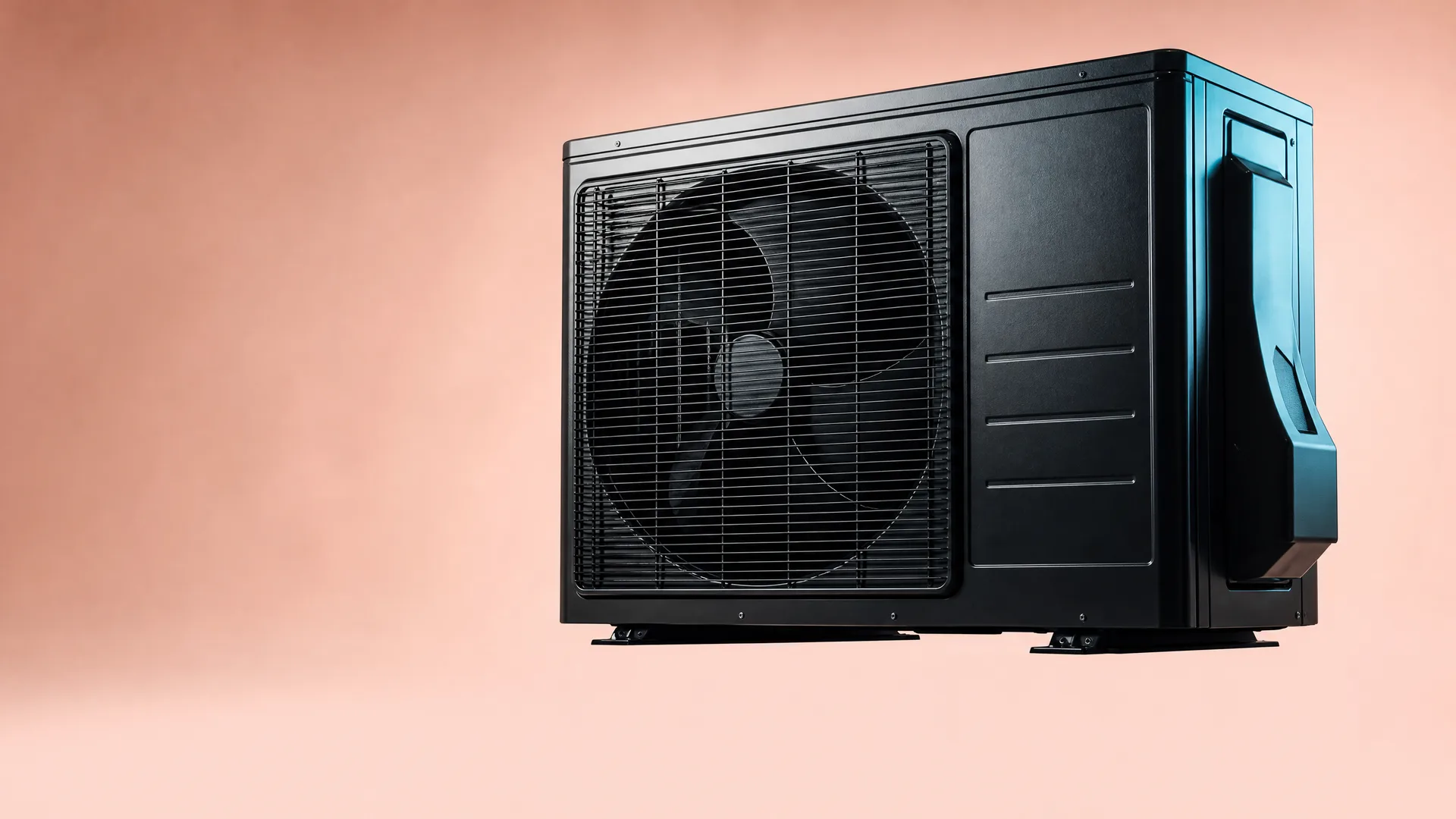
July and August are the only months the outdoor unit works for a living here. June is the quiet month before that starts, and it's the right time to have a new system in and running rather than mid heat wave. A contractor can take the time to size the unit correctly and place it with some thought when there's no pressure to get cooling back online by tonight. Wait until the first hot week and you're picking from whatever's in stock, installed in a hurry.
What to ask before you sign anything
Every quote should tell you how many indoor heads it covers and what size each one is. A contractor sizes each zone to the room it serves, not by a rule of thumb for square footage, so ask what the load calculation was based on and whether anyone measured the room at all. Ask whether the outdoor unit is single-zone or multi-zone, since a multi-zone unit splits its capacity across every head running at once, and ask what happens to the other rooms when one zone calls for a lot of heat or cooling. Ask where the outdoor unit will sit and why, since mounting height and clearance matter more than most buyers expect. Ask what happens during a power outage, since some systems need a few minutes to restart and resume their last setting on their own, others don't. Ask who services the system if something goes wrong, and whether that's the same contractor doing the install. A system sized right and installed with some care will outlast one picked for the lowest number on the page.
Cheap power changes the math
Electricity here runs 11.51 cents a kilowatt-hour, cheaper than every other state. A mini split still earns its keep through comfort and zoning, but the power bill alone won't pay it back fast. North Dakota homes that cool their houses used about 2.9 million Btu (British thermal units, a measure of heat) of electricity doing it, a small number next to what heating takes over a full winter. What matters here is what the unit does room by room, not how many years it takes to break even on the electric bill.
Most homes here heat with gas, electric or propane, and a mini split works alongside whatever you already have.
Tell us about the job
Takes about a minute. No obligation.
Fill out the form and a licensed contractor sizes the heads and outdoor unit to the rooms you want covered.