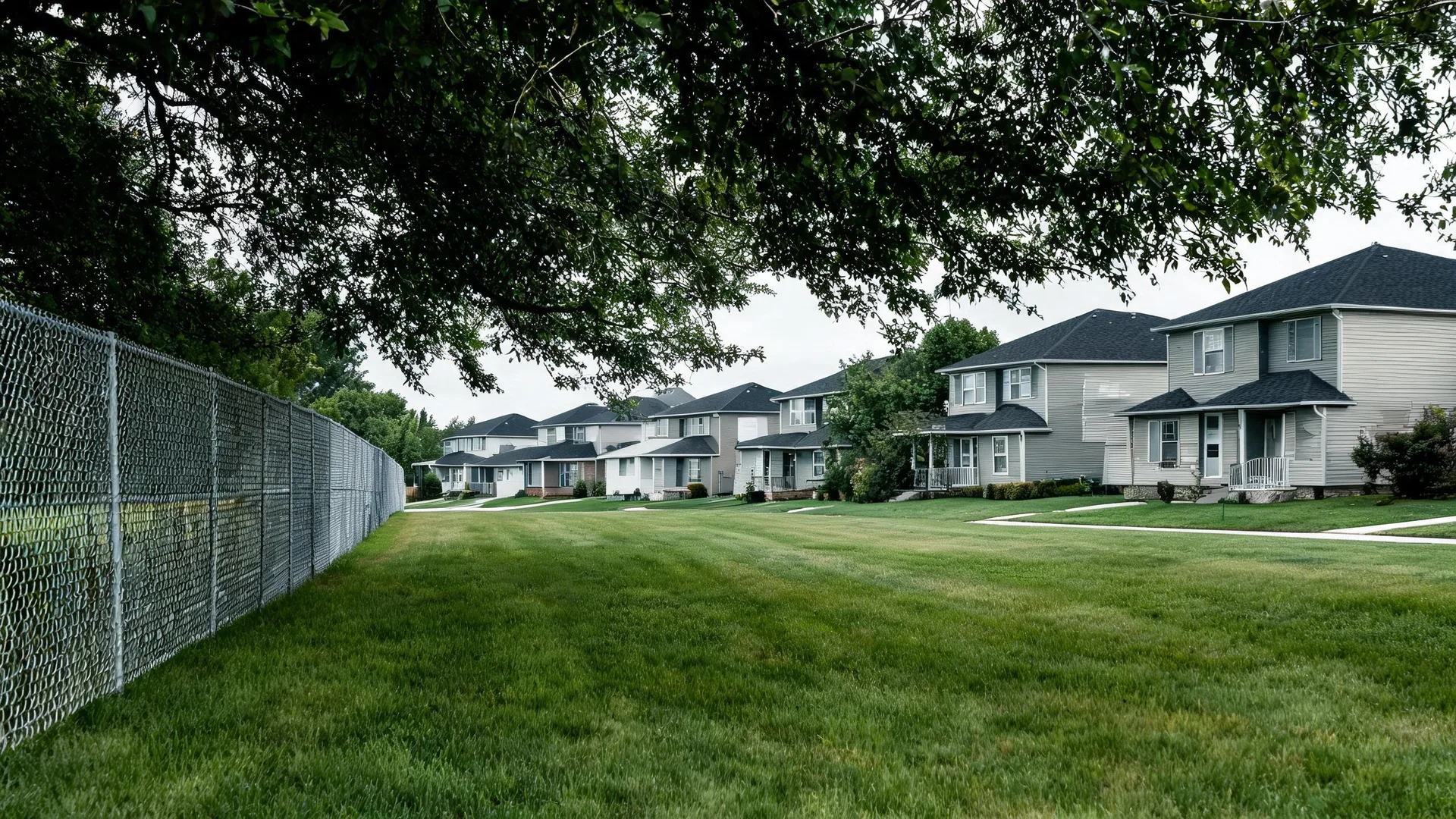
A mown grass lawn bordered by a chain-link fence on the left leads toward a row of gray two-story and single-story houses with gabled roofs under an overcast sky, with tree branches overhanging the top of the frame.

Heat Pump Repair in Cando, ND

Tell us about the job

Takes about a minute. No obligation.

RepairHeat PumpTowner County, ND
Step 1 of 2

What ZIP code is the job in?

The cold runs the compressor hard

Towner County saw 37 winter storm events between 2015 and 2024, heavy snow, ice and blizzards. A heat pump has to pull heat from outside air even when that air is well below freezing, and the colder it gets, the harder the compressor and the defrost cycle have to work to keep up.

What that means for your repair

A heat pump under this kind of load wears unevenly. A capacitor, a contactor or a defrost board can go bad well before the rest of the system shows any trouble. Whatever's acting up on your unit, it's worth having someone trace it back to the actual part instead of guessing.

9 months
September through May, your system heats
1 months
July through July, it cools
-1°F
the average winter night it heats against
77°F
the average summer afternoon it cools against
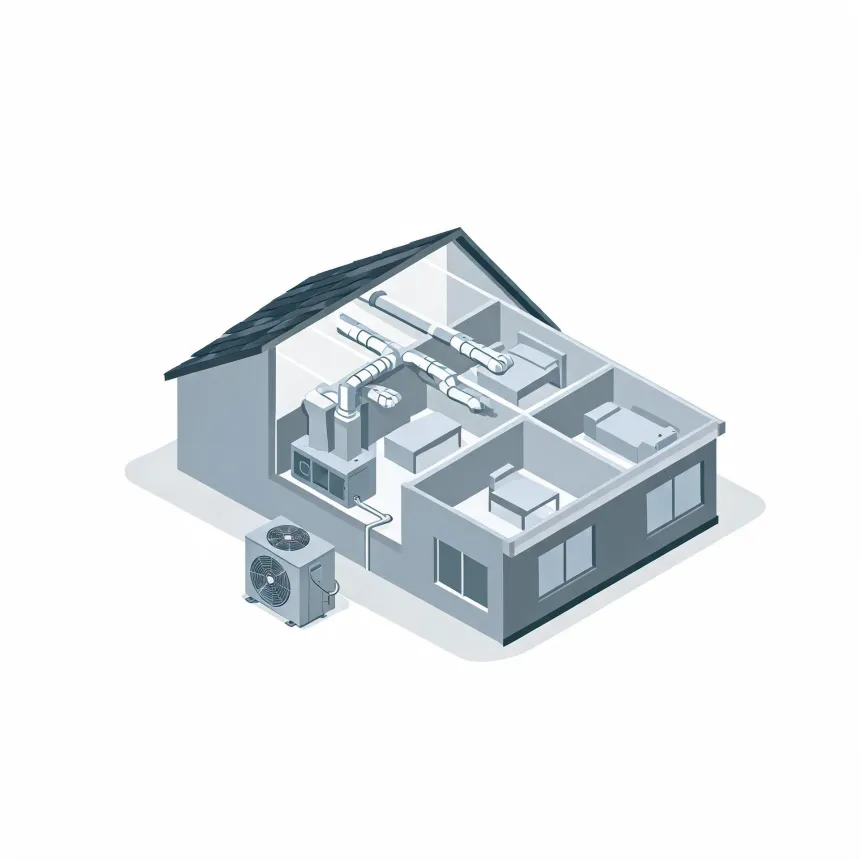
Isometric grayscale illustration of a cutaway house showing interior rooms, ceiling ductwork connected to an indoor air handler, and an outdoor condenser unit beside the exterior wall.
Your system heats September through May and cools July through July.

NOAA nClimDiv, 1991–2020 normals

Half the homes in Towner County were built in 1969 or earlier.

A heat pump on a system that old is closer to the end of its life, and that changes what a repair is worth.

Nine months of heat, one month of cooling, and all the strain falls on one machine

Cooling runs July through July
Heat runs September through May
Climate zone 7

Electricity here runs 11 cents a kilowatt-hour, cheap compared to most of the country. That helps, because a heat pump that's struggling still has to run to keep up, and it ends up running longer than it should to make the same heat. A bad capacitor or a defrost board stuck mid-cycle makes the compressor work past what it needs to. On a cheap rate that still shows up on the bill. On a system already working as hard as yours does here, a small fault doesn't stay small for long.

Find out what's actually failing before it takes more with it

A heat pump that's already working this hard doesn't need much to push a worn part over the edge. Get the actual cause found before you decide whether to fix it or replace it.

Find a contractor
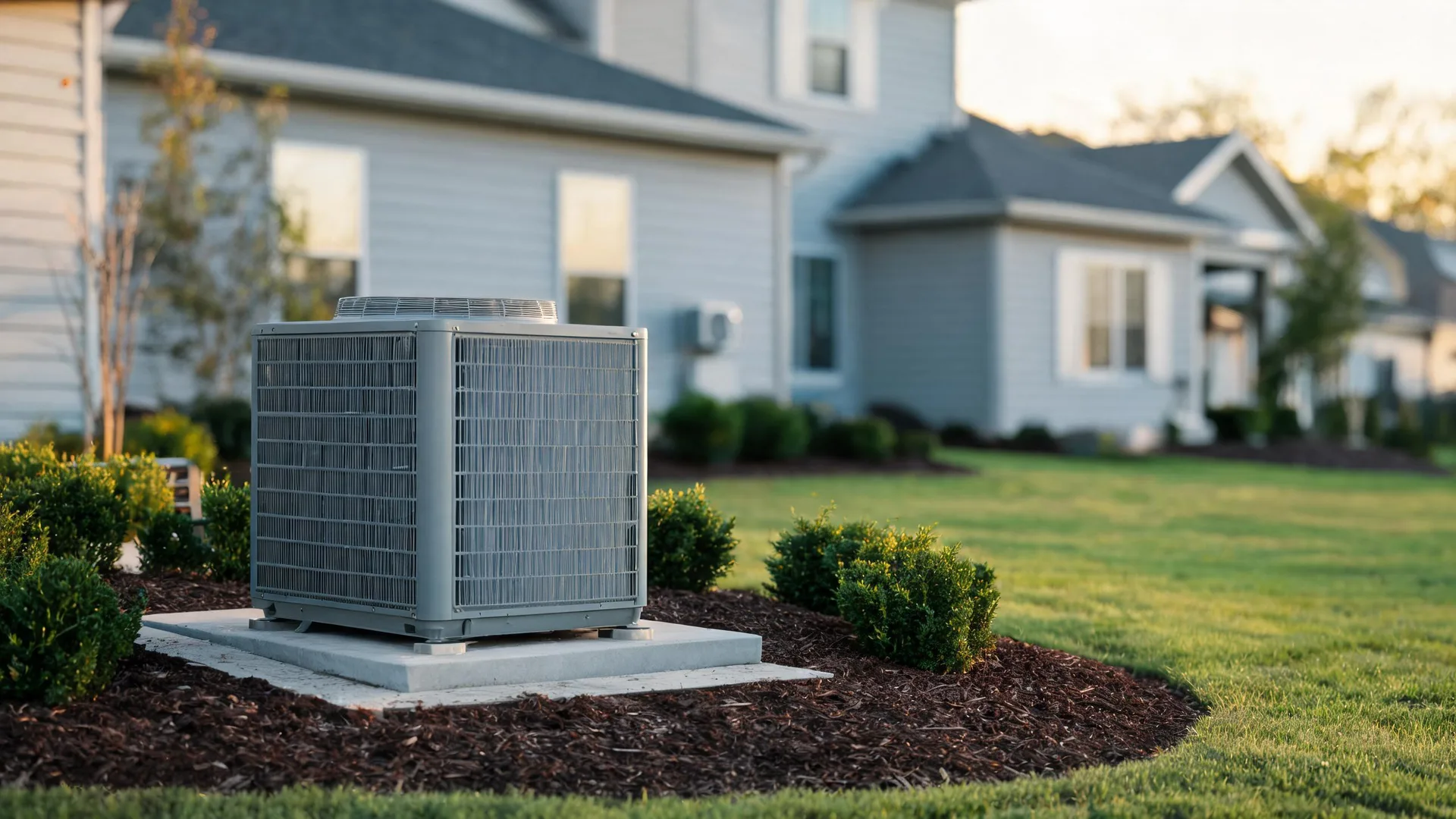
A gray air-source heat pump mounted on a concrete pad next to a house with gray vinyl siding, surrounded by gravel and flanked by green shrubs and white hydrangea flowers.

How old is the system under your repair

If your system came with the house, it's probably older than the equipment itself. Ask whoever comes out to look how many years the compressor has left before you put money into this repair. On a unit that old, a contractor can often tell you whether it's worth fixing or whether you're better off putting that money toward a new one.

What actually wears out first

The reversing valve is usually the first big part to go, since it switches direction every time the system flips between heating and defrost and that constant shifting fatigues the valve body. Capacitors weaken over time and eventually can't give the compressor the jolt it needs to start. Contactors pit and stick from the arcing every time they close. Any of these can fail on their own, without the rest of the system being in bad shape.

Why the compressor usually isn't the problem

A compressor is built to outlast almost everything else in the system, so when a heat pump stops working, the compressor is rarely where the trouble started. More often something upstream failed first, a sensor, a board, a low charge from a slow leak, and the compressor just stopped getting what it needed to run. Replacing a compressor without finding what killed it usually means replacing the next one too.

Most people notice a heat pump problem before they can name it. The air coming out feels cool instead of warm, even though the system is running. Ice builds up on the outdoor unit and doesn't clear during the defrost cycle like it should. The system short cycles, turning on and off in quick bursts instead of running a full cycle. It runs constantly and still can't hold the temperature you set. Sometimes it's a sound: a hum from the contactor without the compressor kicking in, or a rattle from a fan blade that's come loose. Any of these is worth a call. None of them get better by waiting.

If your heat pump is already cycling wrong, waiting on the repair costs you more here than it would somewhere with pricier power, simply because the rate doesn't offset what a struggling system burns through. A stuck defrost board or a weak capacitor keeps the compressor running past the point where it's making any useful heat, and that runs up the meter every day it's left alone. The fix doesn't get cheaper by putting it off. The part that's failing now is usually the same part that fails worse in a few weeks, after more cold nights of the compressor working against it. Get it looked at while it's still one part acting up, not three.