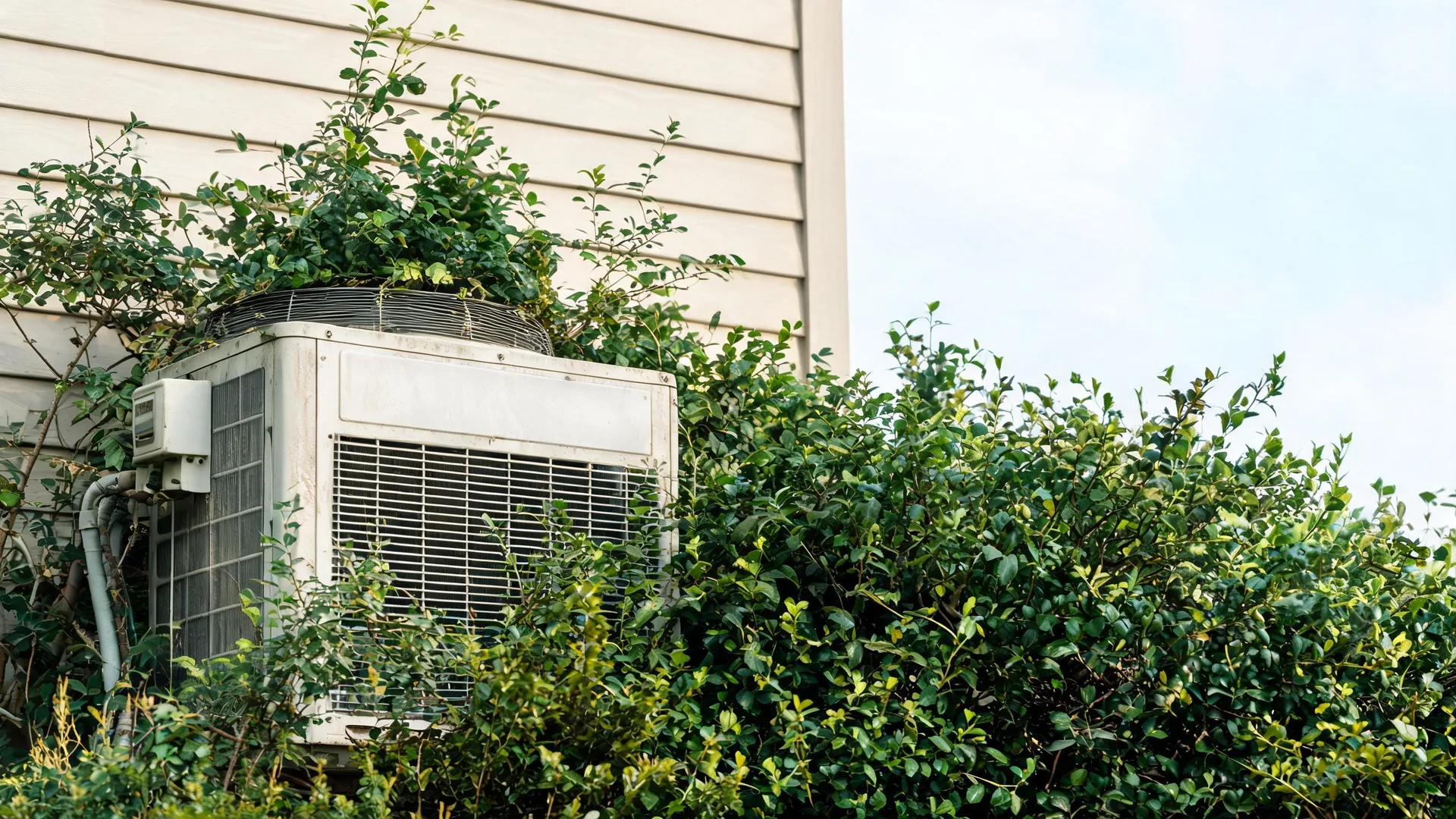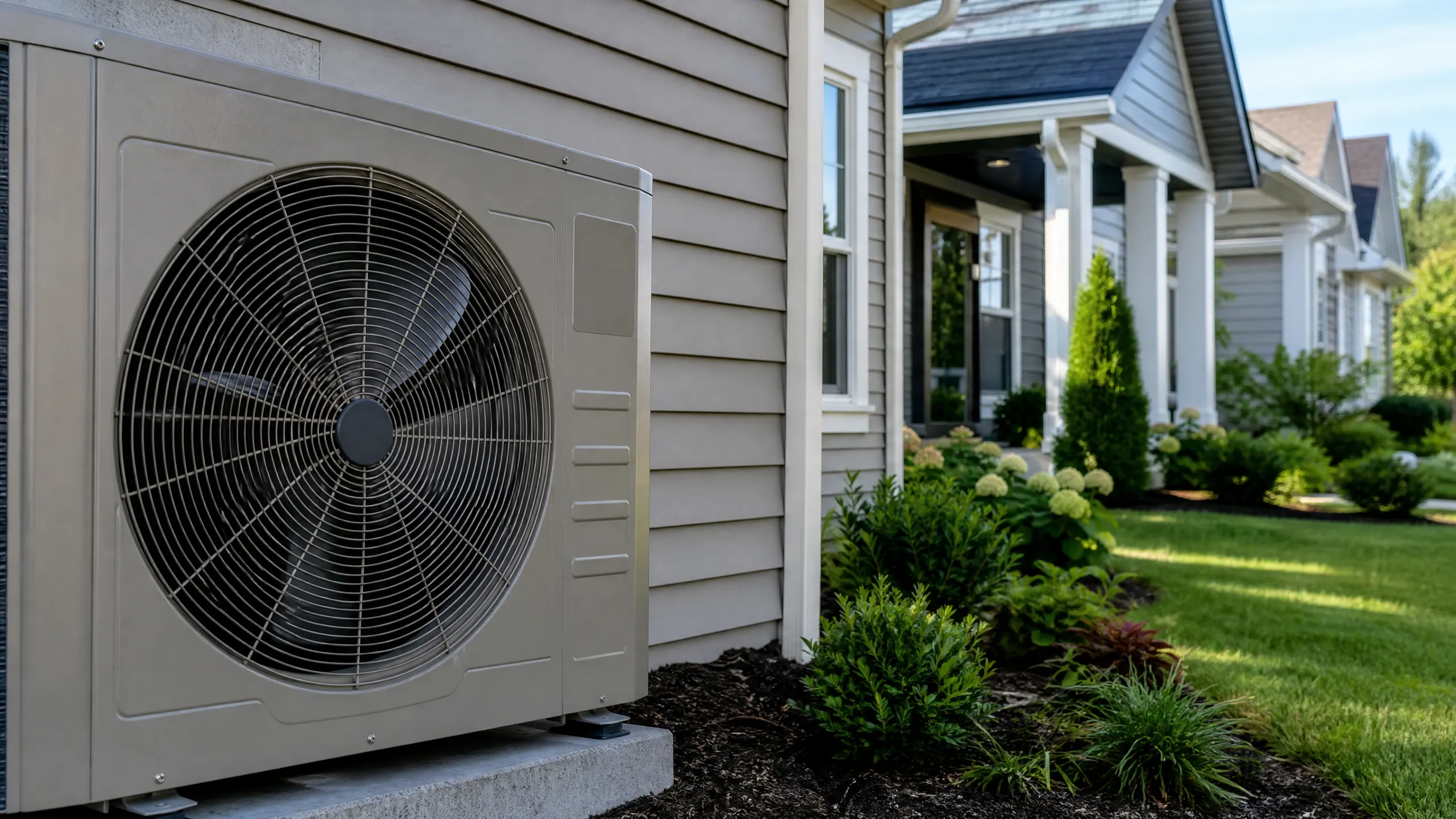
A large outdoor air-conditioning unit mounted beside a vinyl-sided house, surrounded by mulched garden beds and green shrubs.

Heat Pump Repair in Crosby, ND

Tell us about the job

Takes about a minute. No obligation.

RepairHeat PumpDivide County, ND
Step 1 of 2

What ZIP code is the job in?

Snow and ice take their toll on a heat pump

Divide County logged 20 winter storms between 2015 and 2024, heavy snow, ice and blizzards included. The outdoor unit sits right in that weather. Coils ice over, the defrost cycle runs more often, and the fan motor and controls carry that load year after year.

What that means for your repair

A heat pump breaking down out here is often not one bad part failing on its own. It is years of running harder than a unit would in a milder county. A tech should check more than the symptom you called in about before saying the job is done.

10 months
September through June, your system heats
2 months
July through August, it cools
3°F
the average winter night it heats against
78°F
the average summer afternoon it cools against
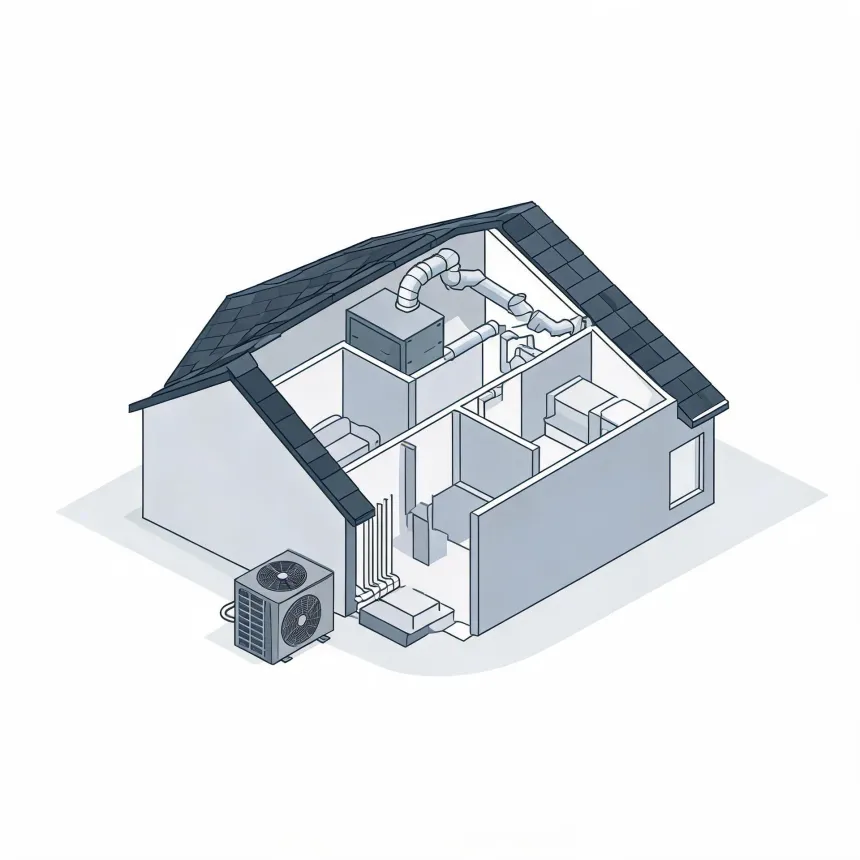
Isometric line illustration of a cutaway house showing interior rooms, an air handler with ductwork in the attic space, and an outdoor condenser unit beside the exterior wall.
Your system heats September through June and cools July through August.

NOAA nClimDiv, 1991–2020 normals

Half the homes in Divide County were built in 1963 or earlier.

A heat pump in a house that old has likely been working against a bigger load for years before this repair call.

Ten months of heat a year means this system has little room to coast

Cooling runs July through August
Heat runs September through June
Climate zone 7

Electricity here runs 10.43 cents per kilowatt-hour, cheaper than most of the country. That helps, but it only goes so far when the unit itself is working against it. A heat pump that's low on charge, icing up wrong, or running its defrost cycle too often pulls more power to do the same job. You won't see that as a separate line on your bill. You'll just see the total creep up month after month. A unit in good repair makes the most of that low rate. One that's struggling spends it fast.

Get it diagnosed, not just patched

A tech out here should check more than the part that quit. If years of hard winters wore that one down, others are likely close behind. A full check now means whatever gets fixed actually holds.

Find a contractor
A dark gray heat pump unit mounted on a concrete pad next to a house with gray siding and a stone veneer wall.

What actually happens when a tech looks at your system

A diagnostic call starts outside, at the unit itself. A tech checks the refrigerant charge, the pressures on both sides of the system, and the temperature of the air coming off the coil. From there it's electrical: the capacitor, the contactor, the wiring to the compressor and fan motor. Inside, they'll check the air handler, the refrigerant lines, and how the system responds when it's told to switch between heating and cooling. The defrost board and sensors get checked too, since a system that ices over wrong usually points there before it points anywhere else. None of this takes guesswork. Each reading either falls in range or it doesn't, and that's what tells the tech which part is causing the problem and which parts are still fine.

Check these before you pick up the phone

Look at the outdoor unit first. If it's buried in snow or caked in ice, that alone can stop it from running right, and clearing it is safe to do yourself. Inside, check the air filter. A clogged filter starves the system and can show up as weak airflow or a unit that runs constantly without catching up. Walk around the house and check that no supply vents are closed or blocked by furniture. Check the thermostat batteries if it has a screen that looks dim or blank. Last, check the breaker panel. A heat pump that won't start at all sometimes just needs a tripped breaker reset, though if it trips again, stop and leave that for the tech.

What to leave alone

Don't open the outdoor unit's cabinet or touch the wiring inside it. Don't try to chip ice off the coil itself, since that's easy to bend the fins or damage the coil doing it. If the system is making a grinding, screeching, or banging noise, turn it off at the thermostat and leave it off until someone looks at it, running it longer can turn a worn part into a ruined one. Same goes for a burning smell or any sign of water pooling around the indoor unit. Those are signs to stop and call, not signs to keep testing yourself.

A heat pump fails the same way whether it's old or new, it's just a question of which part gives out first. The reversing valve is a common one. It's what switches the system between heating and cooling, and after years of switching back and forth, it can stick or leak and leave the system stuck in one mode. The compressor is the part everyone worries about, since it's the heart of the system, and a failing one often shows up as the unit running but not heating, or shutting off on its own after a few minutes. Defrost board failures are another, since that board tells the system when to melt ice off the outdoor coil, and when it fails the coil can ice over solid. Low refrigerant charge is usually not the refrigerant running out on its own. It means there's a leak somewhere in the lines, and topping it off without finding the leak just means doing it again next year. Fan motors wear out too, usually the outdoor one, since it runs in all weather and the bearings give out eventually.

A low power rate only pays off if the unit is running the way it should. Once a repair call is on the table, ask for a full diagnosis, not a quick fix on the one symptom you noticed. A tech who checks the charge, the defrost board, and the reversing valve while they're already out there can tell you if the broken part is the only weak one or just the first to go. That matters more here than in a mild climate, because a unit that's been working hard for years doesn't have much slack left in it. Fixing the obvious problem and leaving a second one to fail later costs more than doing both now.