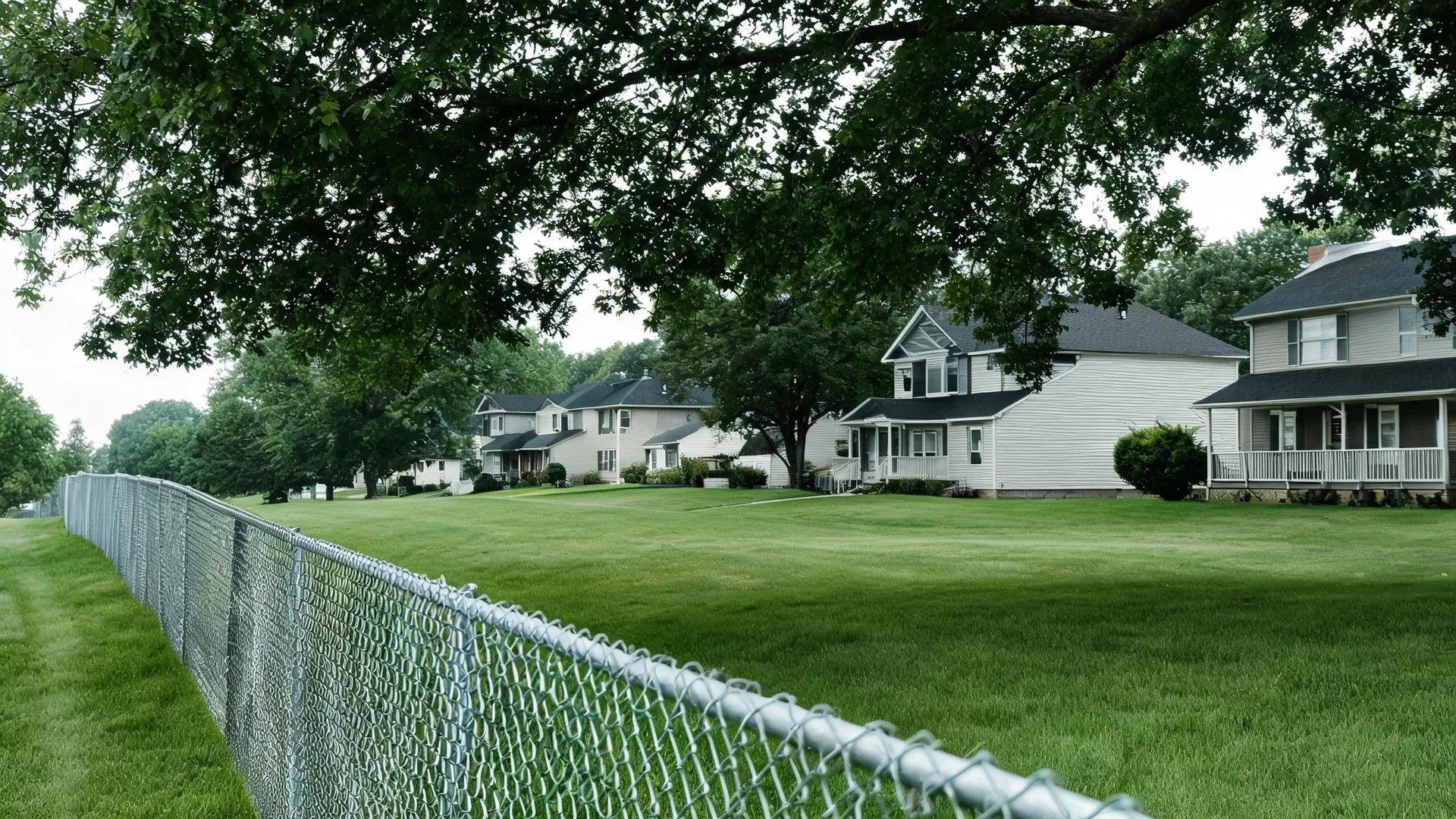





A chain-link fence runs diagonally across a mowed green lawn, with two-story houses with white and gray siding and large leafy trees in the background under an overcast sky.

Heat Pump Repair in LaMoure, ND

Tell us about the job

Takes about a minute. No obligation.

RepairHeat PumpLaMoure County, ND
Step 1 of 2

What ZIP code is the job in?

A heat pump that needs a repair isn't necessarily a heat pump that needs replacing. The compressor is the part that matters most. If that's still sound, a bad capacitor, a failed contactor or a low refrigerant charge are all repairs worth making, and the system should run another several years without trouble. What changes the math is a compressor on its way out, or a system that's needed a tech out for something new every season. At that point you're paying to patch one thing while the next thing is already starting. A contractor who's inspected the unit can tell you which situation you're in, and that's worth knowing before you spend money on either path.

9 months
September through May, your system heats
2 months
July through August, it cools
5°F
the average winter night it heats against
79°F
the average summer afternoon it cools against
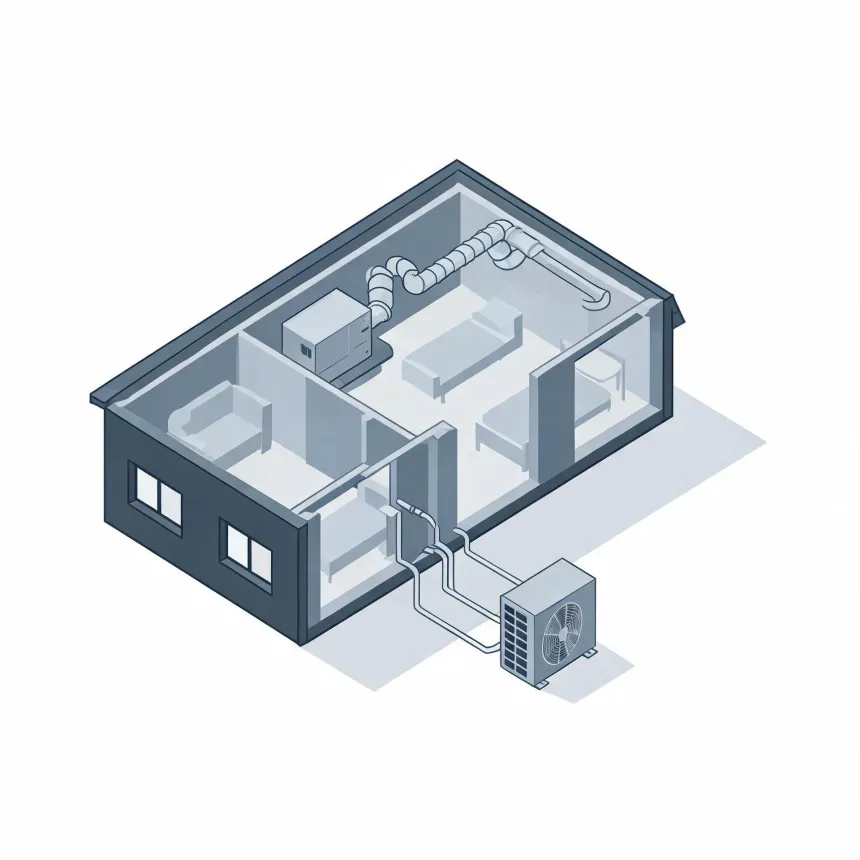
Isometric cutaway illustration of a small house showing interior rooms with furniture, an indoor air handler with flexible ducting, and refrigerant lines running to an outdoor condenser unit beside the building.
Your system heats September through May and cools July through August.

NOAA nClimDiv, 1991–2020 normals

Heat here runs nine months a year, September through May.

A heat pump that's already struggling tends to show it fast, right when that first September cold snap hits.

Half these homes were built by 1965. Their heat pumps usually weren't

Half the homes here were built by 1965
Climate zone 6A
Power here costs 12.01 cents per kilowatt-hour

Electricity here runs 12.01 cents a kilowatt-hour, cheaper than most of the country sees. That's the one break a homeowner running a heat pump through a long winter actually gets. A unit working the way it should makes the most of that low rate. One that's low on charge, or running on a weak capacitor, draws more than it needs to and burns through that advantage every month it goes unfixed. The cheap power is already there in your bill. A struggling heat pump just wastes it.

Get it looked at early

Problems tend to show up in the first weeks of the season, when the load hits a part that was already weak.

Find a contractor
A man in a cap, dark jacket and tan work pants walks up concrete steps toward a red front door, carrying a worn canvas tool bag, with a potted shrub beside the entry.
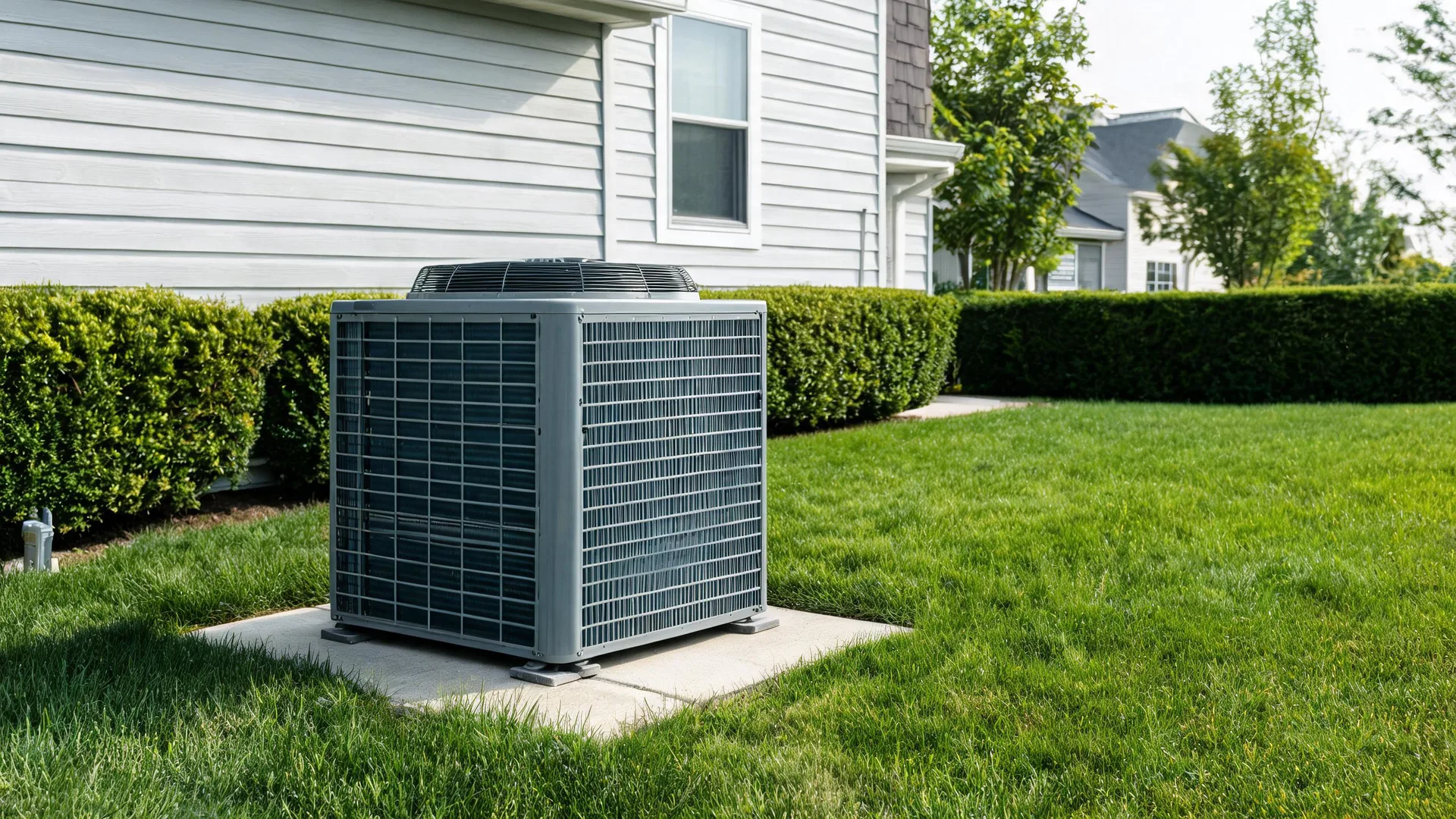
A gray outdoor HVAC unit mounted on a concrete pad beside a house with gray lap siding and a stone foundation.

How old is the house, and how old is the heat pump

If your house dates to 1965 or before, ask the contractor how old the heat pump itself is before you decide anything. Plenty of these homes have had the system swapped out once or twice already. But if yours is original or close to it, a repair bill is really two questions: what fixes the problem in front of you, and how many years are actually left to fix. A tech who's inspected your unit can give you an honest number for that second part, and it's worth getting before you spend on the first.

It won't hold the temperature you set

The thermostat says sixty-eight and the house feels cooler than that, or the system runs and runs without closing the gap. That points to a refrigerant leak, a failing compressor, or a reversing valve that isn't fully switching between heating and cooling. None of those get better by waiting.
It's blowing air that feels wrong for the setting

In heating mode, a heat pump puts out air that feels warm but not hot, and that's normal. What isn't normal is air that feels barely different from room temperature, or air that's cold when the system is set to heat. That usually means the reversing valve is stuck, or the system has lost charge.

A heat pump that's low on refrigerant doesn't just run less efficiently, it runs hotter than it should. The compressor depends on refrigerant to carry away the heat it generates, and when the charge is low, that heat has nowhere to go. Keep running it in that state and you're not looking at the same repair later, you're looking at a compressor that's been cooked from the inside. A failing capacitor causes a similar kind of creep. It makes the compressor and fan motors work harder to start and run, and that strain shortens their life every time they cycle on. A part that would have been a small fix if caught early turns into a motor replacement, or worse, a reason to replace the whole system. None of this happens overnight, but none of it reverses either. Once the extra strain starts, the only question is how long the system keeps absorbing it.

A heat pump that's drawing more than it should doesn't announce itself. The thermostat still says sixty-eight, the air still moves, and the only sign is a bill that's higher than it ought to be at that rate. Fixing the part that's causing the draw is what gets you back to paying for the power you actually use. Put off the repair and you're paying the cost of the broken part on top of the electricity, every month, until someone replaces it.