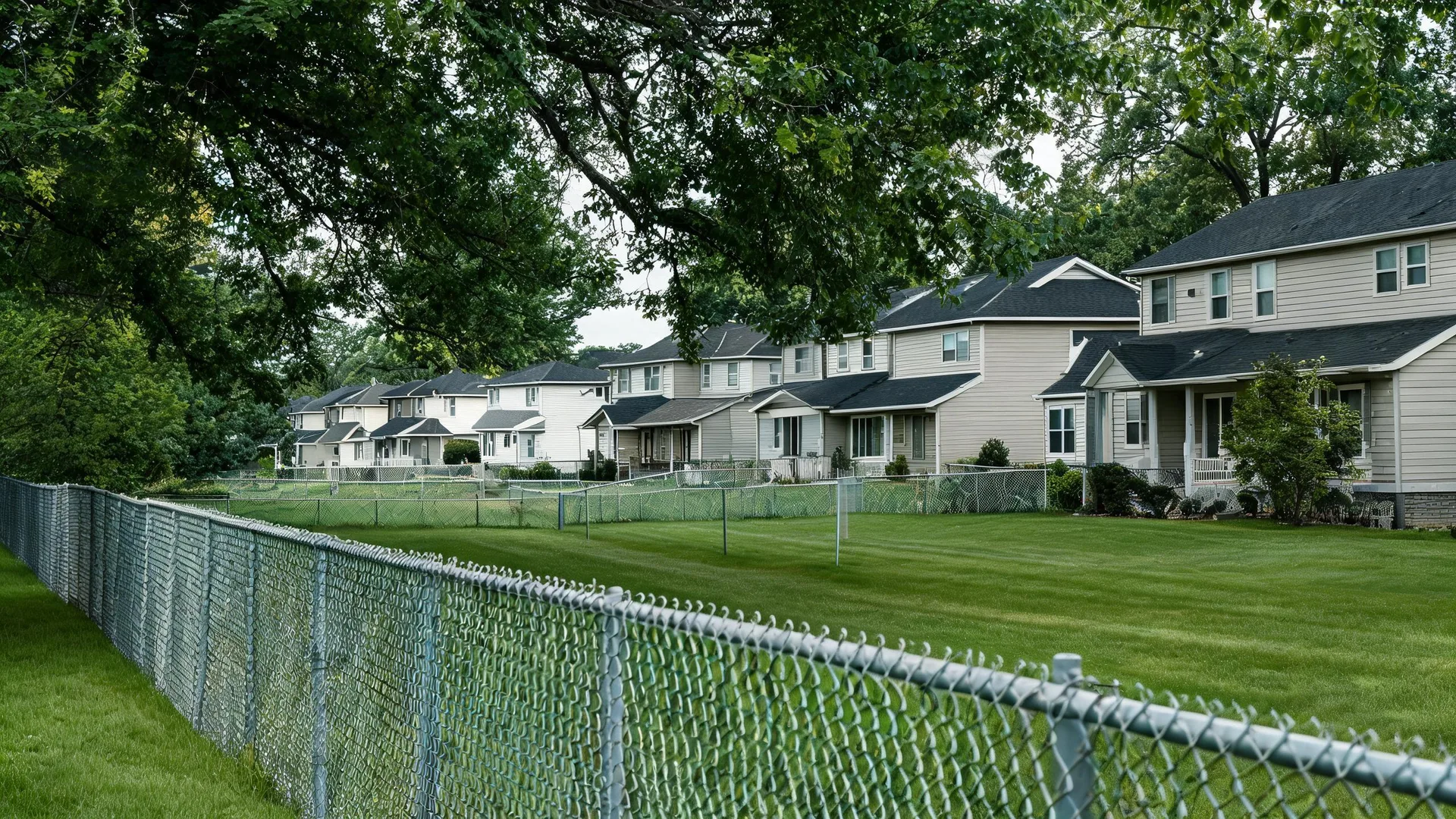







A chain-link fence runs along a mowed lawn beside a row of two-story houses with light siding and dark roofs, framed by large leafy trees.

Heat Pump Repair in Powers Lake, ND

Tell us about the job

Takes about a minute. No obligation.

RepairHeat PumpBurke County, ND
Step 1 of 2

What ZIP code is the job in?

A heat pump outside in Burke County takes a beating other equipment never sees. The county logged 24 winter storms between 2015 and 2024, snow and ice loading onto the outdoor unit at the exact time it has to pull heat out of cold air to keep the house warm. Hail has struck 25 times in that same stretch, and each hit is a chance to bend a fin or dent the coil sitting out there exposed. None of that damage announces itself right away. It shows up later as a compressor working harder than it should, a coil that can't shed heat the way it used to, or a unit that cycles on and off when it shouldn't. A tech who knows what this weather does to a heat pump can look at that wear and say what's actually wrong, instead of guessing at the easiest answer.

10 months
September through June, your system heats
2 months
July through August, it cools
2°F
the average winter night it heats against
78°F
the average summer afternoon it cools against
Isometric line illustration of a cutaway house showing interior rooms with furniture, a furnace or air handler with overhead ductwork, and an outdoor condenser unit connected by lines outside the wall.
Your system heats September through June and cools July through August.

NOAA nClimDiv, 1991–2020 normals

Heat here starts running in September, after this machine has sat idle since June.

The first hard freeze finds whatever went unnoticed over the summer.

Half these homes were built by 1969, and this machine doesn't last as long as the house does

Half the homes here were built by 1969
25 hail events from 2015 to 2024
24 winter storms from 2015 to 2024
A cheap rate doesn't help if the unit's working against itselfBurke County pays 10.26 cents per kilowatt-hour, less than most of the country, but a heat pump running wrong burns through that savings every month it's not fixed.

If the heat pump outside is original to the house, age is worth ruling out before paying for a repair. A compressor or reversing valve near the end of its life can fail in ways that look like smaller problems, a tech resets it, charges for the visit, and it fails again in a month. Ask whoever comes out how many years are likely left in the unit before they start the repair, not after. That answer should shape whether the work goes forward or whether the money's better put toward a replacement. A contractor who's worked on these systems around Powers Lake can usually tell within a few minutes which one you're looking at.

What's wrong with your heat pump probably started outside, in the weather

That same wear is usually what's behind whatever your heat pump is doing right now. Get it looked at by someone who knows what snow load and hail do to a unit out here, so the diagnosis is the real one and the fix holds.

Find a contractor
A man in a gray shirt, cap, and work pants carries a canvas tool bag up white porch steps toward a red front door, with a potted shrub beside the entry.
A gray heat pump outdoor unit mounted on a concrete pad next to a residential house with lap siding and stone accents.

What the Unit Does Before It Quits

Watch how the unit behaves when it switches between heating and cooling, or when it tries to defrost. Short cycling, the compressor kicking on and off in quick bursts, wears down the parts that start it every time. Ice building up on the outdoor coil and not clearing during the defrost cycle means that cycle isn't working right. Warm air blowing from the vents when you expect hot, or the system running constantly without catching up to the thermostat, points to a refrigerant leak or a compressor losing strength. A reversing valve that's failing often shows up as the system stuck in one mode, heating when you asked for cooling or the other way around. Strange sounds matter too. A hard clunk when the system switches modes, a grinding from the outdoor unit, a rattle that wasn't there before. None of these fix themselves, and all of them get worse the longer the unit keeps running that way.

A small leak turns into a dead compressor

A refrigerant leak doesn't hold steady. Every cycle pushes what's left through the lines, and the compressor keeps running low on the charge it needs to stay cool. Run it long enough in that state and the compressor overheats and seizes. What would have been a leak repair turns into a full compressor replacement, and that's the most expensive part in the system.
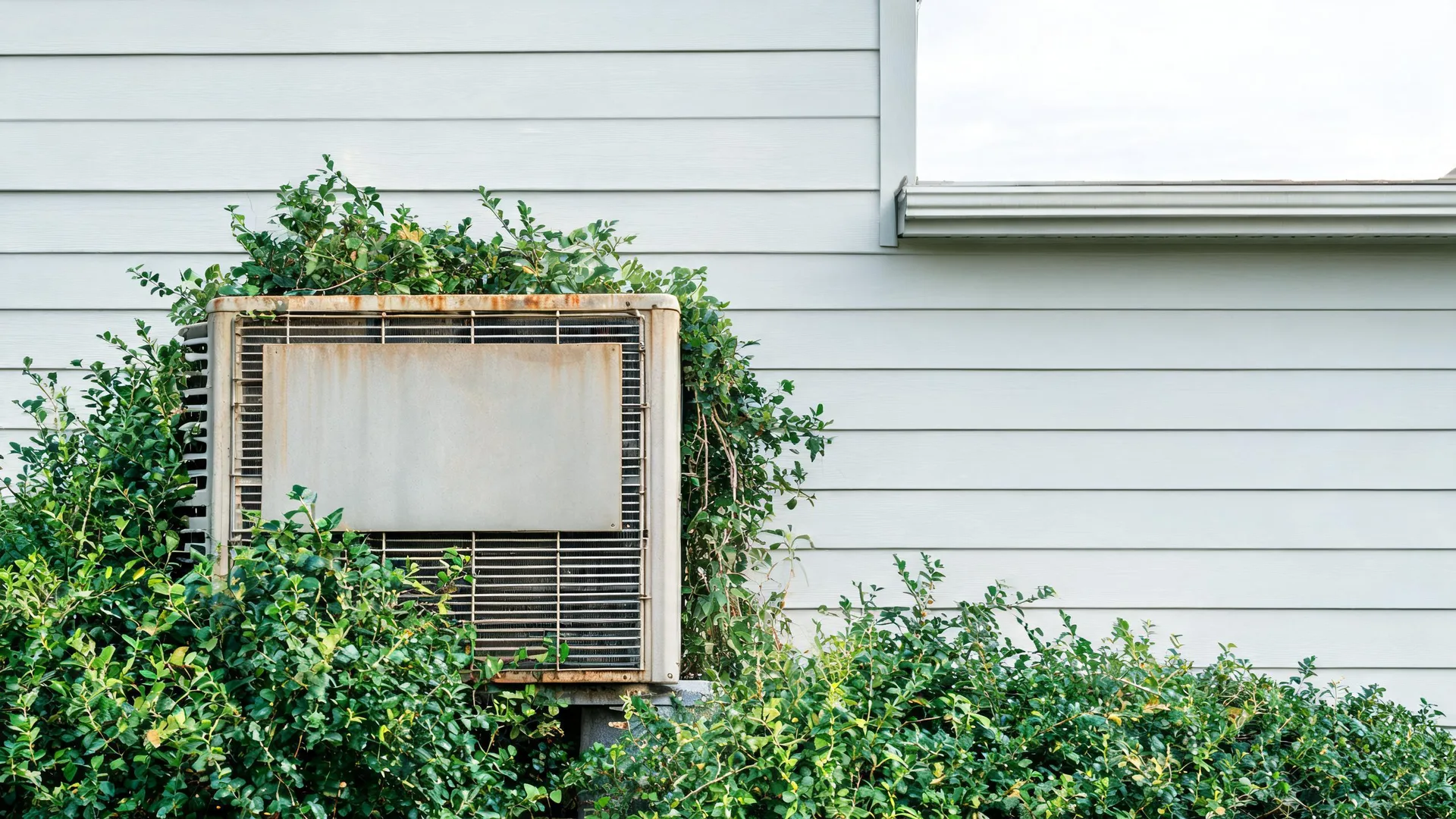
Ice feeds on itself

A coil that isn't defrosting right builds a little more ice each cycle, and that ice blocks airflow the coil needs to shed heat or pull it in. Blocked airflow makes the system run longer to do the same job, which lays down more ice. Left alone, it ends with a solid block of ice on the outdoor unit and a system that can't move heat either direction.

A heat pump that's short cycling or stuck running doesn't stop pulling power just because it's not doing its job right. It still runs those hours, and running wrong for a month costs more than fixing it would have in week one. The longer a bad reversing valve or a low charge sits, the more those extra hours add up. Get it looked at while it's still a repair and not a replacement.

A diagnostic visit starts with questions, not tools. A tech wants to know what the system is doing, when it started, and whether it happens in heating, cooling, or both. Then comes a walk around the outdoor unit, checking the coil for ice or damage and listening to how the compressor sounds when it starts. Gauges go on next to check refrigerant pressure, since that number tells a tech more about what's wrong than almost anything else. Electrical readings come after that, on the compressor, the fan motor, and the reversing valve, because a part can look fine and still be failing. The whole point is to find the actual cause before anything gets replaced. A tech who skips steps might swap a part that isn't the problem, and the system comes right back to acting up.