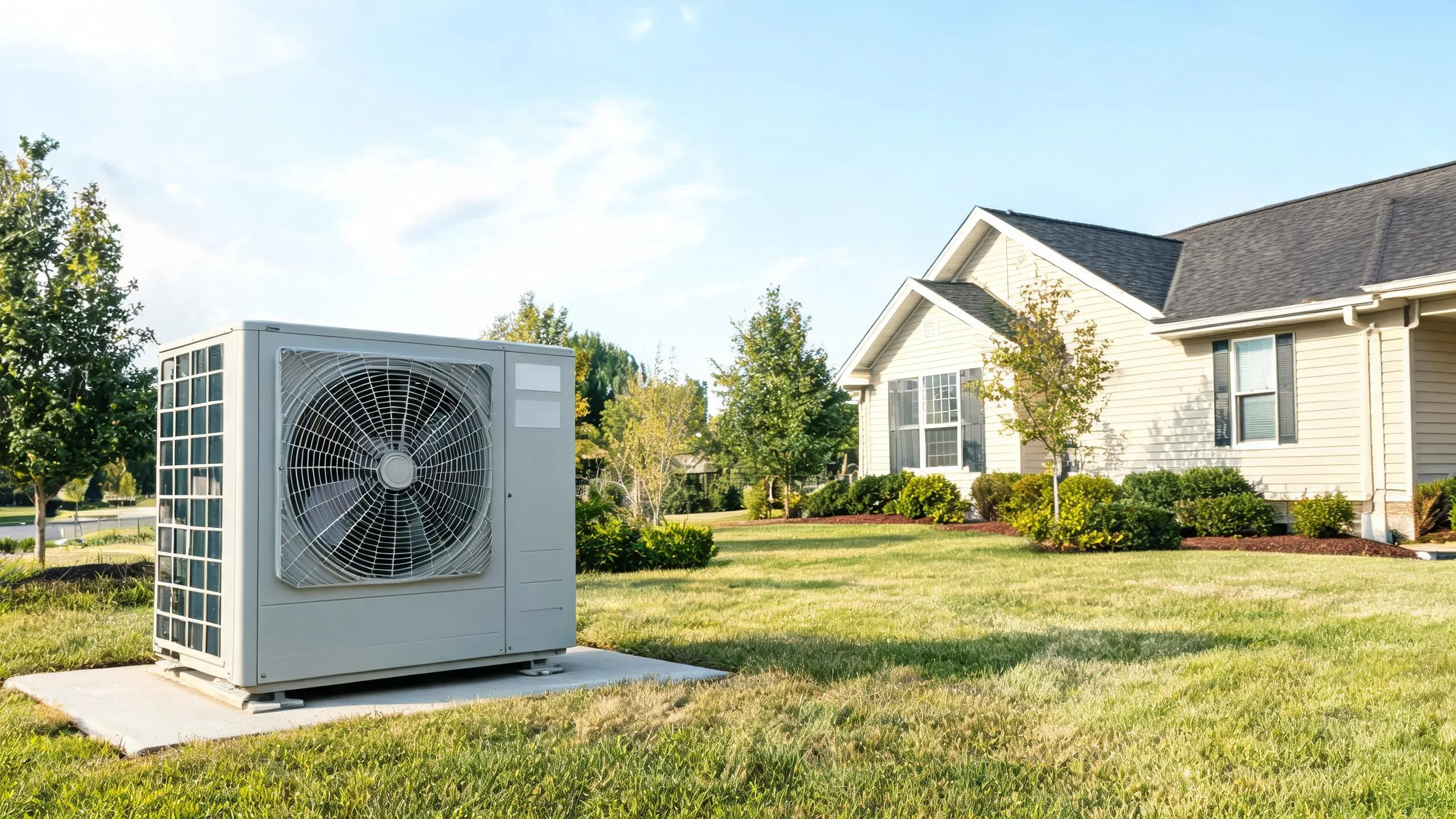





A grey heat pump outdoor unit mounted on a concrete pad in a suburban backyard, with a single-storey house visible behind it.

Heat Pump Repair in Wahpeton, ND

Tell us about the job

Takes about a minute. No obligation.

RepairHeat PumpRichland County, ND
Step 1 of 2

What ZIP code is the job in?

A heat pump in Richland County earns its keep in a different way than most people expect. Zone 6A means a long heating season, and this unit has to pull heat out of cold outside air for months at a stretch, then reverse and handle whatever humidity summer brings. Add in 60 winter storm events here between 2015 and 2024, plus 82 damaging wind events over that same stretch, and the outdoor unit is taking on more than the compressor and coil of a system somewhere milder. That kind of load adds up on the parts that cycle the most, the ones that start and stop the compressor or defrost the coil. When something in this system is acting up, it's worth finding the actual cause rather than guessing, because a repair that doesn't account for how hard this unit runs usually doesn't hold.

9 months
September through May, your system heats
3 months
June through August, it cools
5°F
the average winter night it heats against
80°F
the average summer afternoon it cools against
Isometric illustration of a cutaway single-story house showing interior ductwork and vents connected to an outdoor condenser unit beside the building, on a white background.
Your system heats September through May and cools June through August.

NOAA nClimDiv, 1991–2020 normals

Electricity here runs 12.47 cents a kilowatt-hour, cheaper than most of the country.

A heat pump that's running wrong still runs often in this climate, so the cost shows up every month until it's fixed.

Half these homes were built before the heat pump even existed as a common choice

Half the homes here were built by 1972
82 damaging wind events from 2015 to 2024
45 hail events from 2015 to 2024

September is when heat here starts in earnest, and that first cold snap is when a heat pump shows what it's been hiding. A capacitor that's been weakening all summer, or a defrost control that's been borderline, usually doesn't fail on a mild day. It fails the first night the system has to run long and hard to hold the house at temperature. The same thing happens in reverse come June, when the compressor that idled all spring suddenly has to carry a full load. If your heat pump is acting up right at the start of a season, that's not bad luck. That's the weak part finally meeting the demand it couldn't handle.

Find out what's actually wrong before the next cold stretch asks more of it

A compressor or control board that's been struggling doesn't usually get better on its own, and this is a system that doesn't get much of a break between seasons here. Getting the actual cause found now means the fix holds through the next stretch of cold instead of giving out partway through it.

Find a contractor
A gray heat pump condenser unit mounted on a concrete pad against the gray lap-siding exterior wall of a house.

How old is the system, not just the house

If your heat pump is original to the house, the age of the house is worth checking before you spend money on this repair. A system that has already outlasted what's typical is a different decision than one still inside its normal years. Ask whoever comes out to look not just what's wrong, but how much the unit has left in it. Sometimes the right fix is the repair in front of you. Sometimes it's knowing not to put more into this one.

A small problem asks the compressor to work around it

A low charge or a failing capacitor does not stop the compressor, it just makes the compressor strain to do the same job. That strain shows up as heat, and heat is what wears down the windings and the bearings. A repair that would have been quick at the first sign turns into a compressor replacement if the system keeps cycling on the fault.
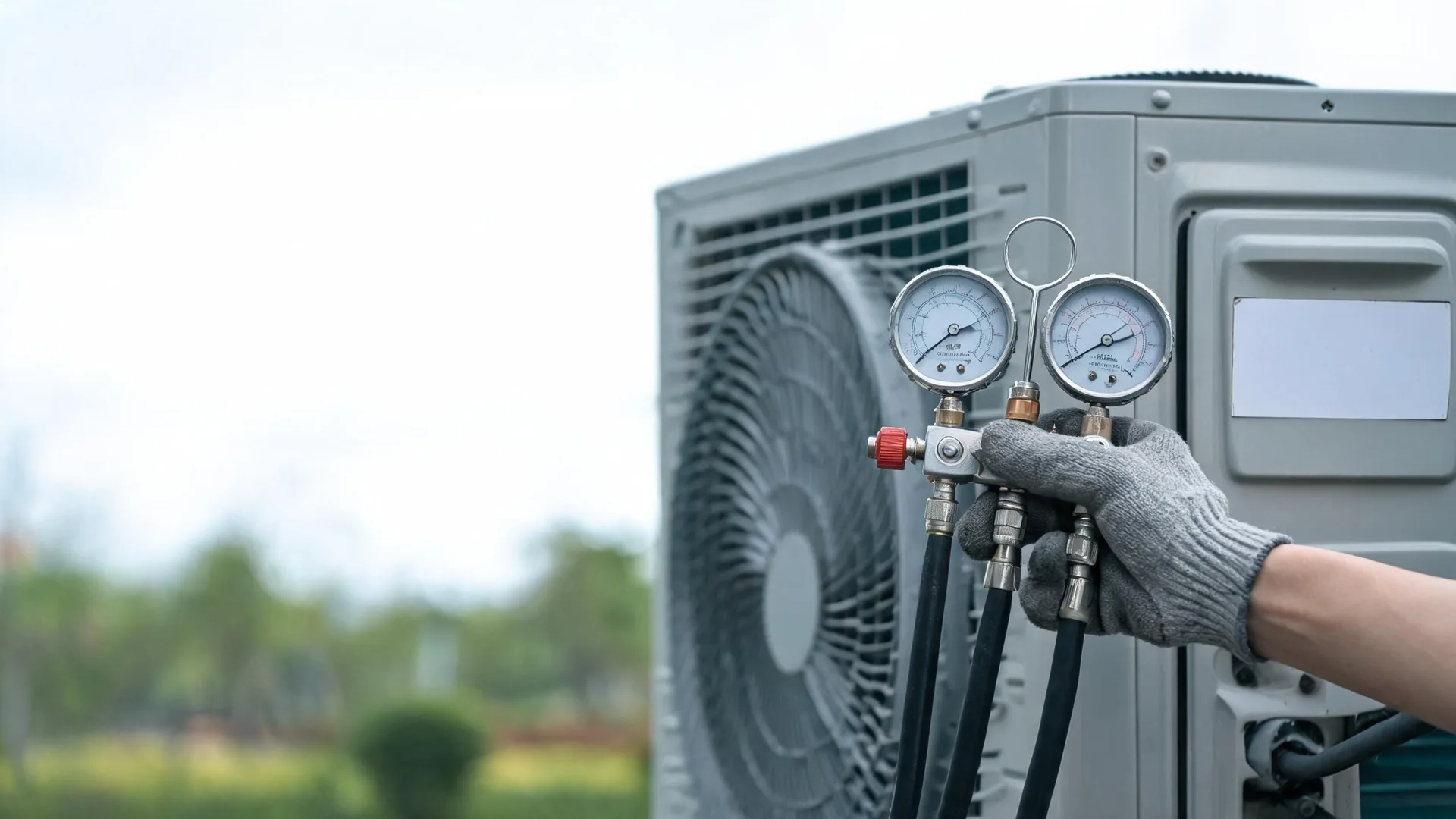
Waiting turns one part into two

A reversing valve that sticks or a defrost control that misreads the coil does not fail in isolation for long. The compressor keeps pushing against a system that is not set up right, and that is how a bad sensor or a stuck valve ends up taking the compressor down with it. Shutting the system off and calling someone out is cheaper than letting it run through the fault.

Most heat pump failures start small and electrical before they become big and mechanical. A capacitor weakens and the compressor or fan motor starts on a stumble instead of a clean start, drawing more current each time until something trips or burns out. A contactor pits from years of arcing and starts sticking, so the unit runs when it shouldn't or doesn't start when it should. The reversing valve, the part that switches the system between heating and cooling, can stick from a weak solenoid or debris in the valve body, leaving the system stuck in one mode or blowing air that's not the right temperature for what the thermostat is asking for. Low refrigerant charge, almost always from a slow leak rather than the system using it up, makes the compressor work harder to move the same amount of heat, and that extra strain is what eventually takes the compressor out. Outdoor coils get caked with dirt and debris over time and lose their ability to transfer heat, which is a simple fix if caught early and a compressor problem if ignored.

That cost per kilowatt-hour doesn't drop while the unit sits broken. A heat pump stuck cycling on a bad capacitor or a stuck reversing valve isn't using less power to do less work, it's drawing the same rate to do the job badly, over and over, until someone fixes what's actually wrong. Put off the call a month and that's a month of bills reflecting a system working against itself instead of one that got fixed. Getting someone out this week instead of waiting is what turns that cost back into a normal one.