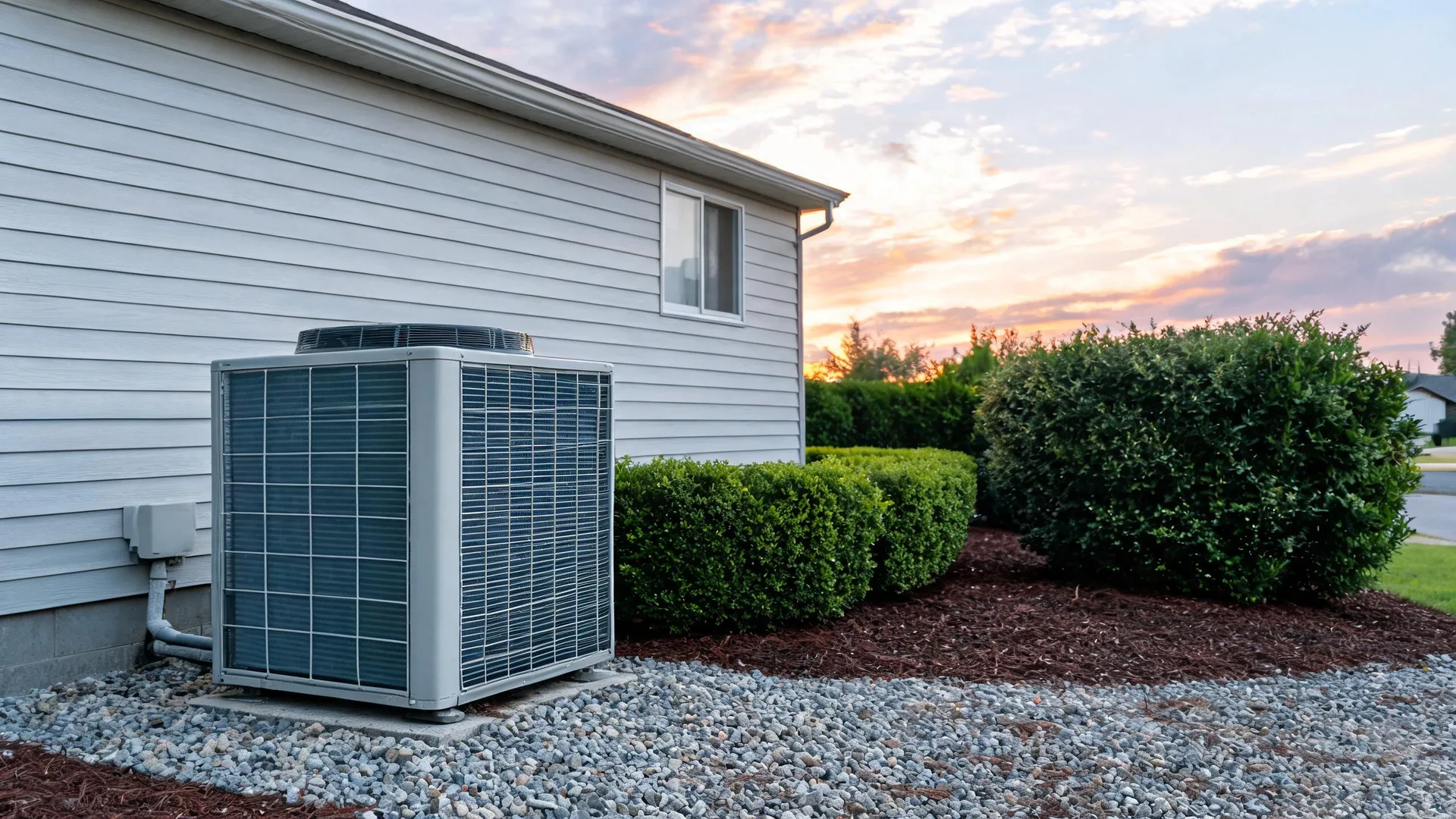
Most furnaces here run on gas
Utility gas heats 67.2% of homes in Morton County, more than any other fuel. Electricity and LP gas make up most of the rest. A gas furnace paired with a new AC is the setup an installer here sees most often.
Takes about a minute. No obligation.
Utility gas heats 67.2% of homes in Morton County, more than any other fuel. Electricity and LP gas make up most of the rest. A gas furnace paired with a new AC is the setup an installer here sees most often.
Central air depends on the same ductwork and blower your furnace uses. If gas heat is already running through your home, adding or replacing AC usually means matching new equipment to what's already in place rather than changing how the house is set up.

NOAA nClimDiv, 1991–2020 normals
Matching tonnage on paper doesn't mean matching performance in your house.
Ask the installer how they sized your system, not what size the old one happened to be.



AC here only has to work through July and August, with afternoon highs averaging around 81°F. That's not a heavy load to size for. A standard-efficiency system sized correctly for your house will keep up fine through both months without strain. There's no local reason to pay more for a higher SEER2 rating or a bigger unit than the house calls for. Morton County does see frequent wind and hail, so the outdoor unit's cabinet and coil fins are worth asking about. Ask the installer about the condenser's build quality, not just the number on the sticker.
Cooling here only runs two months, July and August, starting that first month. Get the new system in during June and the install happens on your schedule, not while the old one is already working to keep up.
Find a contractor
Once the new condenser is set and charged, the old one comes out. If it's just the outdoor unit being swapped and the coil and furnace stay, the installer recovers the refrigerant before disconnecting anything, that's required, it can't be vented to the air. The old pad usually gets reused or releveled for the new unit. If the coil in the attic or closet is being replaced too, that's a separate job, pulling the old coil means breaking into the refrigerant line set, and most installers will tell you whether your existing line set can be reused or needs to come out with the rest. Copper line sets get scrapped, not landfilled, so there's some value recovered there. None of this changes how the new system gets installed, but it's worth asking what happens to the old equipment and whether removal is included or billed separately.
An outdoor condenser is built to work with a specific indoor coil. Pair the wrong coil with it and the system can run without ever hitting the efficiency it's rated for, no matter how clean the installation is. If only one side of that pair is being replaced, ask the installer whether the piece staying behind is still a good match.
A condenser and coil can be sized right and installed well and still underperform if the ducts moving that air are too small, leaky, or laid out poorly. Installers size equipment to the house, but sizing doesn't fix ducts that were never built to carry that much air. That's a separate question from which unit goes in, and worth asking about on its own.
Estimates for a typical Morton County home, from EIA household energy data, North Dakota fuel prices and NOAA climate normals. Your home will differ.
Installation day starts with the old equipment coming out and the new coil and condenser going in, but most of the day goes to what you can't see. The line set gets evacuated to pull out moisture and air before any refrigerant goes in, since either one left behind will keep the system from reaching its rated efficiency. Electrical connections get run and checked, the condensate drain gets tested to make sure it actually clears water, and the system gets charged to the exact amount that coil and condenser pair calls for. Once it's running, a tech checks airflow at the vents and measures the temperature split between the air going in and the air coming out. That split tells them whether the system is actually doing its job, not just turning on. A rushed charge or a skipped evacuation won't show up as a problem that day. It shows up months later as a system that runs longer than it should to do the same work.