Between visits, the filter is the one thing worth checking yourself. A dirty filter chokes airflow across the coil, and the system has to work harder to move the same amount of air. Pull it out, hold it up to a light, and if you can't see through it, swap it or rinse it if it's a reusable type. Keep anything from blocking the outdoor unit, no grass clippings, no leaves packed against the sides, no shrubs growing in close. Inside, make sure vents and returns aren't covered by furniture or rugs. None of that replaces a real inspection, but it keeps the system from working against itself in the meantime.
2 months
July through August, your air conditioner is on duty
80°F
the average summer afternoon it cools against
32 hail events
in ten years, and hail bends the fins on outdoor coils
39 wind events
in ten years, and wind drives debris into outdoor units
Your air conditioner works hardest from July through August.
Jan
Feb
Mar
Apr
May
Jun
Jul
Aug
Sep
Oct
Nov
Dec
NOAA nClimDiv, 1991–2020 normals
A quick visit checks the refrigerant pressure and calls it done.
A thorough one pulls the capacitor readings, checks the contactor for pitting, and washes the coil, because a clean coil is what keeps the compressor from working harder than it should.
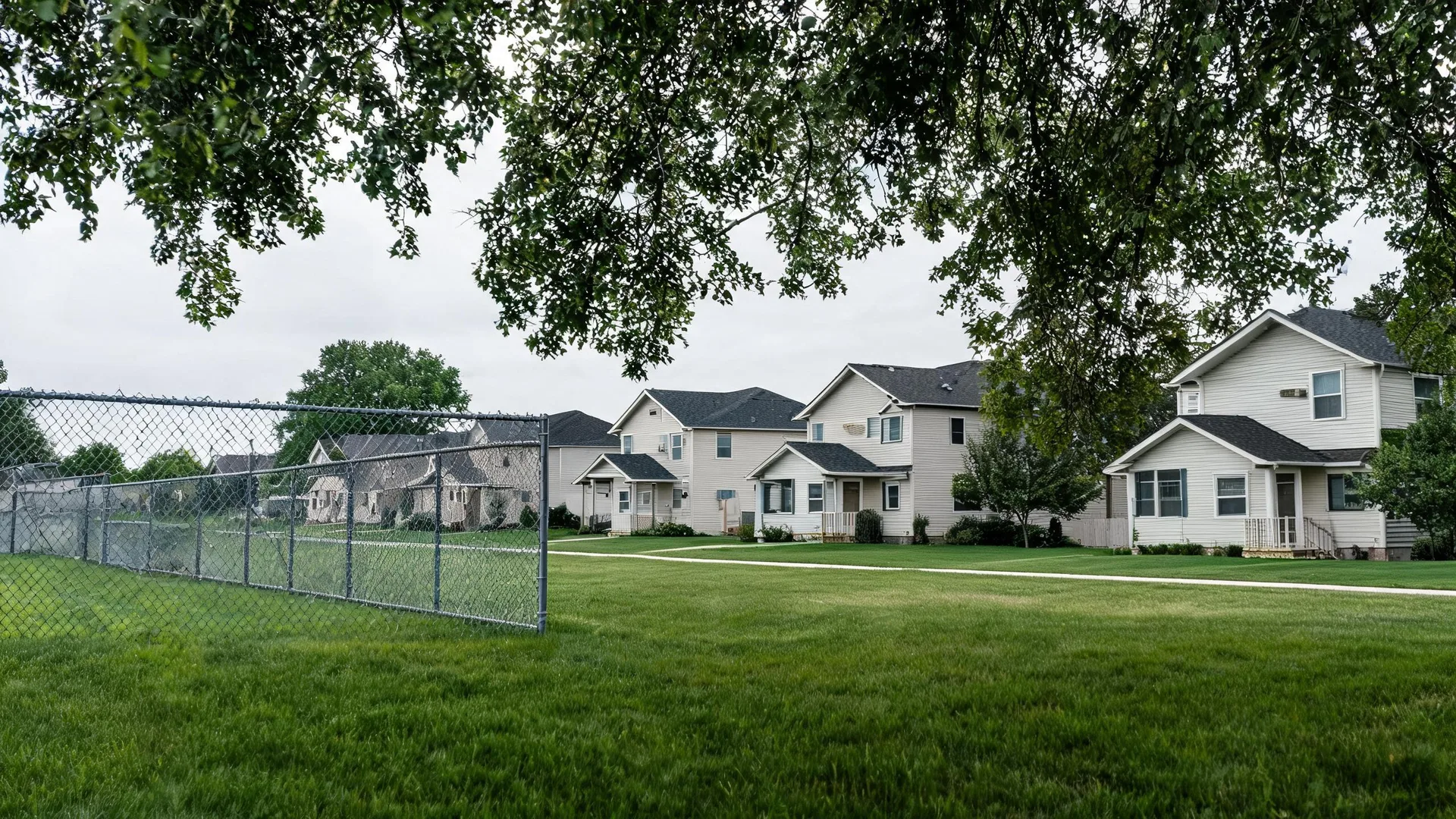
Half these homes predate central air. The system still only needs looking at once a year.
Half the homes here were built by 1976Climate zone 6APower costs 11.51 cents a kWh statewide
Two months of real cooling here, July and August, with afternoon highs around 80. That's not much to ask of a condenser. Most years this unit idles more than it runs flat out, so the wear that does happen tends to come from a weak capacitor or a coil that never got cleaned, not from the system being pushed hard. This county also sees its share of wind and hail, so a yearly check is a good time to look over the outdoor unit for bent fins or a dented cabinet before that turns into a bigger problem. Light duty still deserves a look once a year.
A capacitor can be on its way out and still start the unit every time you ask it to. The reading drifts low, the compressor draws harder to get moving, and nothing about that shows up on its own. Same with the contactor. The points pit a little more each cycle, and the unit still runs fine right up until the day it doesn't close the circuit at all. Refrigerant charge works the same way. A system can run low for a long stretch and still blow cold air at the vent, just not as much of it, while the compressor takes on the difference. None of this announces itself at the thermostat. A gauge shows it, or a clamp meter on the compressor wire shows it, long before the unit gives any sign on its own.
The compressor pays for what the coil didn't do
A dirty coil can't shed heat the way it should, so the compressor runs longer and hotter to hit the same temperature. It doesn't fail that day. It fails early, after enough cycles of running harder than it was built to.
A failed capacitor doesn't wait for a convenient time
Capacitors weaken slowly, then stop working all at once. The unit that ran fine all week can simply not start the next morning. A yearly check catches the weak reading before it becomes a unit that won't turn on.
Book your AC tune-up in June, before homes here start needing cooling in July.
Jan
Feb
Mar
Apr
May
Jun
Jul
Aug
Sep
Oct
Nov
Dec
A tune-up checks the refrigerant charge, cleans the coils, tests the capacitor and tightens the electrical connections.
A real tune-up means hands on the equipment, not just a glance at the thermostat. The condenser fan motor gets checked for play in the bearing, since a wobble there means it's on its way out. Refrigerant lines get checked for rubbing or chafing where they run through the cabinet, not just the charge itself. The drain line gets checked too, because a clogged one backs up and shuts the system down on a safety switch for no reason anyone can see from outside. Electrical connections at the disconnect box get tightened, since a loose one heats up and burns before it ever trips a breaker. None of this shows up by looking at the unit from across the yard.