Three months of work a year
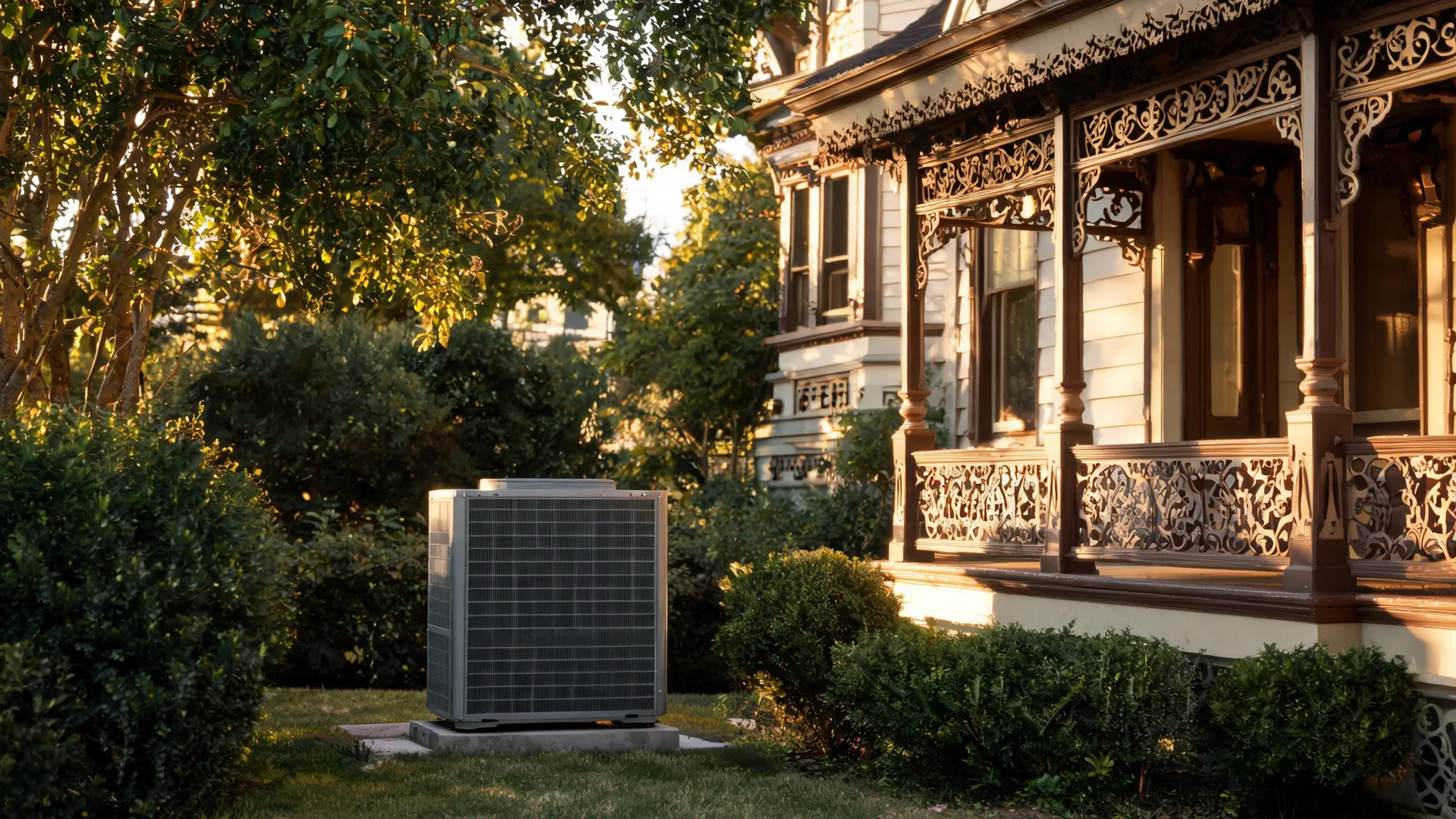
AC here runs June through August, with afternoon highs averaging around 80°F. That's a short stretch for a compressor to earn its keep.
Takes about a minute. No obligation.
AC here runs June through August, with afternoon highs averaging around 80°F. That's a short stretch for a compressor to earn its keep.
A system that only runs three months a year isn't fighting the strain that shortens compressor life elsewhere. When something does go wrong here, it's more likely age or a part that sat unused all winter than a unit worn down from overwork.

NOAA nClimDiv, 1991–2020 normals
June is when cooling starts in Ransom County.
May is when the check should happen, before the compressor is asked to work.



A spring check is where that yearly look pays off. A technician can catch a weak capacitor or a contactor before the first hot week asks the system to prove itself. Ransom County also sees its share of wind and hail, 46 damaging wind events and 28 hail events, so the outdoor unit is worth a look too, not just the parts inside. A bent fin or a dented cabinet is easy to miss until the system is already running hard. Getting to it before June gives time to find any of that first.
Half the homes in Ransom County went up in 1969 or earlier. A system that old has had years to develop a problem nobody's caught yet. A yearly check is how it gets found before the system has to prove itself.
Find a contractor
The filter is the cheapest part to deal with and the one most often ignored. When it clogs, airflow drops, and the coil behind it can ice over instead of pulling heat out of the room air. Once that coil is iced, the compressor keeps running but barely moves any cooling into the house. Outside, the condenser coil does the opposite job, pushing that heat into the outdoor air, and it can't do that well if it's coated in dust or grass clippings. The drain line is the quiet one. It carries away the water the system pulls out of the air, and when it clogs, that water backs up into the pan or onto the floor instead of outside where it belongs. None of these fail on their own in a way you'd notice right away. They just make the compressor work harder to do the same job, and that's what wears it down early.
A system low on refrigerant or running on a tired capacitor will still start up and blow cold air, for a while. It just works harder to do it, and that extra strain is what takes months or years off a compressor's life. The damage is happening before anyone notices anything wrong.
A dirty filter or a weak capacitor rarely brings the system down on its own. What happens instead is the compressor absorbing that extra load, cycle after cycle, until it's the one that finally gives out. By the time it quits, the part that started the trouble is long forgotten.
A tune-up checks the refrigerant charge, cleans the coils, tests the capacitor and tightens the electrical connections.
A tune-up starts with the electrical side. A technician checks the capacitor's strength and looks over the contactor for pitting, since both wear out slowly and then fail all at once. Refrigerant charge gets checked too, not topped off by habit but measured against what the system calls for, because too much or too little both make the compressor work harder. The blower gets looked at for amp draw and the wheel gets cleared if it's caked with dust. Outside, the coil gets rinsed and the fan motor gets checked for play in the bearing. The drain line gets flushed so it isn't the thing that backs up water once the system is running hard. None of this takes long when the system is still working fine. It takes a lot longer once something has already given out.