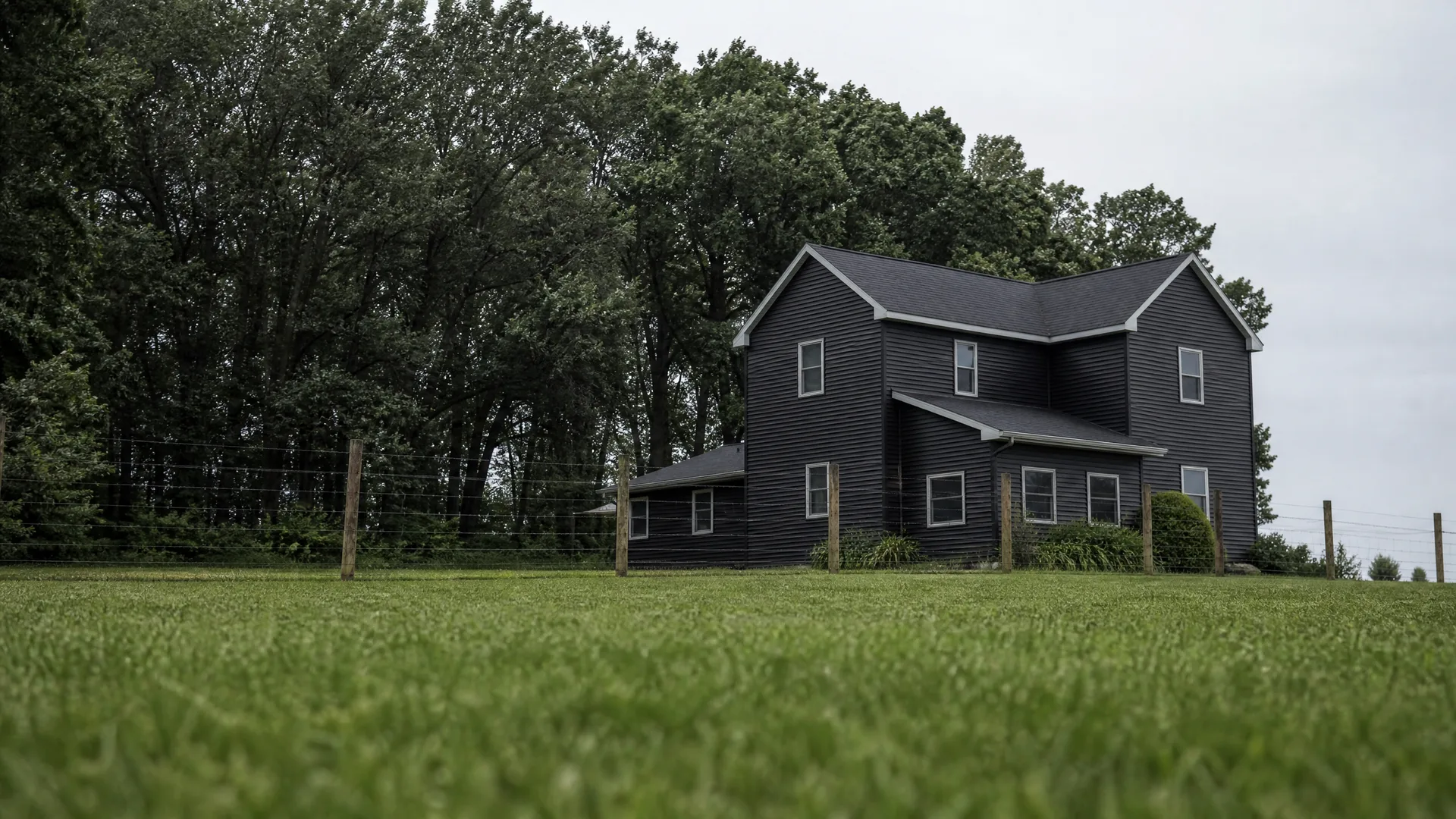
A two-story dark-painted wood-sided farmhouse with a gray shingled roof stands beside tall deciduous trees, behind a wire fence, with a mowed green lawn in the foreground under an overcast sky.

AC Maintenance in New Rockford, ND

Tell us about the job

Takes about a minute. No obligation.

Tune-up, service, or cleaningCentral ACEddy County, ND
Step 1 of 2

What ZIP code is the job in?

Two months of real work

Your AC only runs July through August here, with afternoon highs around 78°F. The rest of the year it sits idle. A compressor that only has to earn its keep two months a year isn't fighting the kind of strain it would in a hotter climate.


Light duty still needs a check

Low strain doesn't mean no wear. A unit that runs light for years can still lose refrigerant, foul a coil, or wear a capacitor down from age alone. When something does go wrong here, it's usually that kind of slow issue, not a system beaten down by overuse, and a yearly check is what catches it early.

2 months
July through August, your air conditioner is on duty
78°F
the average summer afternoon it cools against
40 hail events
in ten years, and hail bends the fins on outdoor coils
40 wind events
in ten years, and wind drives debris into outdoor units
Isometric cutaway illustration of a small home interior with furniture and ducting, showing an indoor air handler connected by lines to an outdoor condenser unit on a pad.
Your air conditioner works hardest from July through August.

NOAA nClimDiv, 1991–2020 normals

Skip the yearly check and a system doesn't break down right away.

A neglected AC just runs longer and longer to do the same job, until the day it doesn't start at all.

Half the homes in Eddy County are older. Old or new, a yearly check still catches what age alone wears out.

Half the homes here were built by 1966
Cooling runs July through August
Summer afternoons average 78°F
Light duty in New RockfordCooling here runs about two months a year, July through August.

Half the homes in Eddy County were built in 1966 or earlier. If yours is one of them, the AC outside may not be original to the house, but whatever is out there has had years to pick up wear. A coil loses airflow. A contactor pits. A capacitor weakens with age, not just use. None of that shows up as a breakdown right away. It shows up as a system that runs longer than it used to for the same afternoon. A yearly check is how a contractor catches that while it is still a small fix.

Keep up the yearly check

Easy duty still wears parts. A yearly check keeps it going a long time.

Find a contractor
A man in a cap, dark shirt and tan work pants, seen from behind, climbs porch steps toward a red front door while carrying a canvas tool bag filled with screwdrivers.
An outdoor residential air conditioning condenser unit mounted on a concrete pad, surrounded by gravel with a blue sky in the background.

What fails quietly

The filter is the one part the system touches every minute it runs. Once it loads up with dust, airflow drops, and the coil behind it starts picking up what the filter should have caught. A dirty coil can't pull heat out of the air the way it's supposed to, so the system runs longer to do the same job. That longer runtime is wear the machine didn't need to carry. The drain line is easy to forget because it does nothing until it fails. Condensation has to go somewhere, and if that line clogs with algae or sludge, the water backs up into the pan and then into the house. None of this depends on how long the system runs each year. A coil fouls the same way whether the unit works light duty or hard duty. A clogged drain backs up just as fast either way. What light duty changes is how long these things take to turn into a problem, not whether they will.

The filter is yours to change

Pull it out and hold it up to the light. If you can't see light through it, it's past due. A clean filter is a simple swap, no tools, no refrigerant, nothing to unhook. Leave the rest of the cabinet alone. The coil and the wiring behind it are not a homeowner job.

Keep the outside unit clear

Grass clippings, leaves, and anything piled against the outdoor unit block the airflow it needs to dump heat. Keep a couple feet open on all sides and rinse dust off the fins with a hose, not a pressure washer. Don't straighten bent fins or reach inside the cabinet. That part of the check is for a contractor.

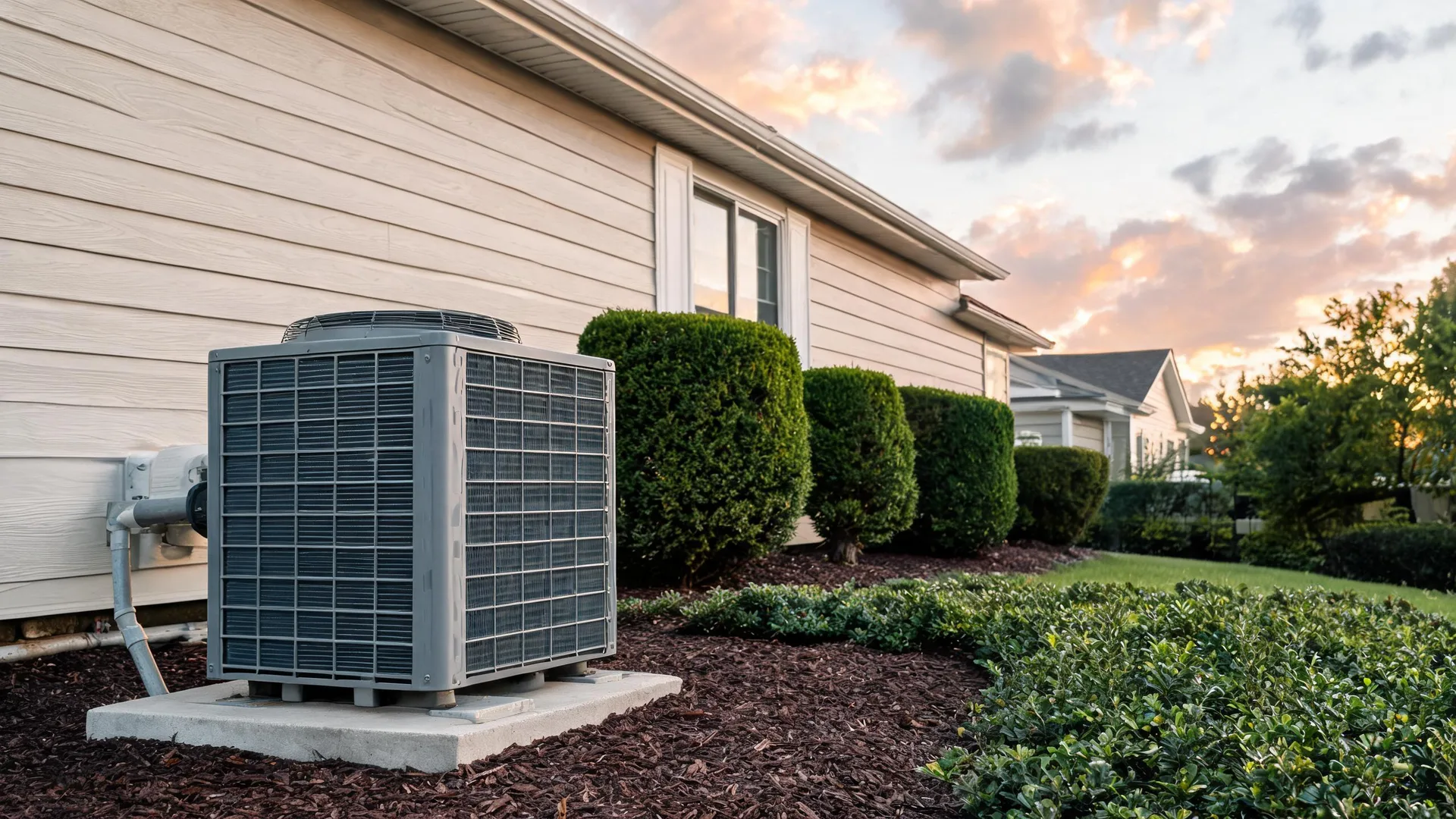
An outdoor air conditioning condenser unit on a concrete pad next to the gray vinyl siding of a residential home.

Book your AC tune-up in June, before homes here start needing cooling in July.

  1. Jan
  2. Feb
  3. Mar
  4. Apr
  5. May
  6. Jun
  7. Jul
  8. Aug
  9. Sep
  10. Oct
  11. Nov
  12. Dec

A tune-up checks the refrigerant charge, cleans the coils, tests the capacitor and tightens the electrical connections.

A proper tune-up starts outside, with the condenser coil and the refrigerant charge. A contractor checks the charge against what the system calls for, not just whether the unit is blowing cold, because a system can still run with low refrigerant and just do a worse job of it every day it stays that way. The coil gets cleaned if it needs it, since a fouled coil can't move heat the way a clean one does. Inside, the check covers the capacitor and contactor, the parts that get the compressor and fan started and keep them running, both of which weaken with age whether the system works hard or not. The drain line gets flushed so condensation has somewhere to go instead of backing up into the pan. Electrical connections get tightened, because a loose one generates heat on its own and that heat is how wires and terminals fail. None of this is guesswork. It's the same handful of parts checked the same way, every time, because those are the parts that quietly wear out a system before it ever breaks down outright.