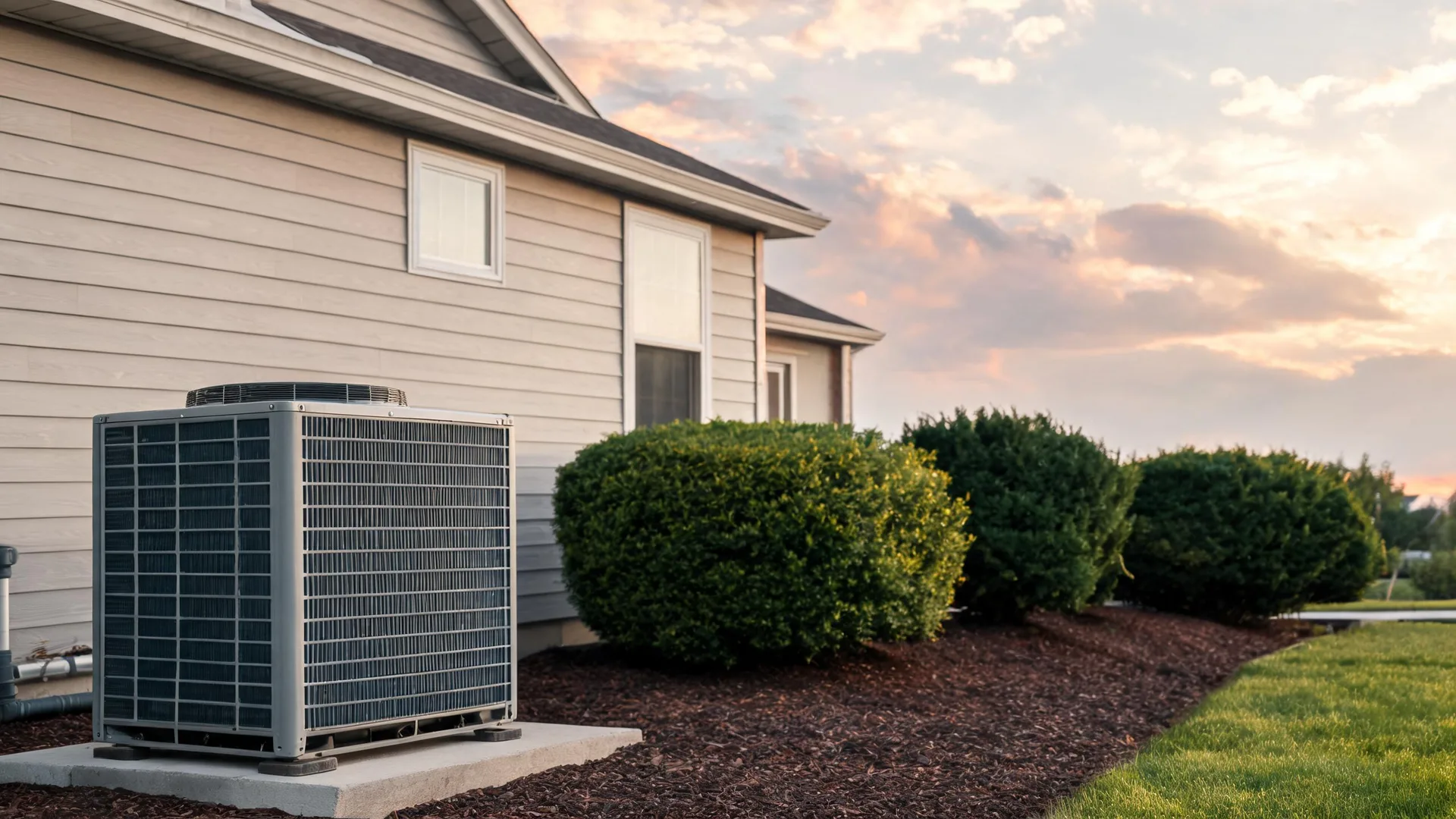
July is the only month it runs
Cooling in Rolla comes down to one month, July. The air conditioner sits unused the rest of the year, then has to work the day it turns hot.

Takes about a minute. No obligation.
Cooling in Rolla comes down to one month, July. The air conditioner sits unused the rest of the year, then has to work the day it turns hot.
A unit that sat idle since last summer needs a check before it's asked to run every day. Have it looked at in June, ahead of July, so a weak capacitor or low charge turns up before the heat does.

NOAA nClimDiv, 1991–2020 normals
A dirty filter chokes airflow before it ever reaches the coil.
Starved of air, the indoor coil ices over, and the drain can back up right along with it.



Skip the yearly check and trouble builds where nobody looks. Dirt on the outdoor coil makes the system shed heat poorly, so it runs longer to do the same job. A dirty filter chokes airflow across the indoor coil, and that coil can ice over, which cuts cooling further. A capacitor that has gotten weak may still start the compressor some mornings and fail on others, so the unit seems fine until it isn't. None of this shows on the outside of the unit. It shows up as a warm house on the one hot day it had to work.
It starts running hard in the first month of the season here. Book the check the month before.
Find a contractor
A gauge set on the refrigerant lines tells a tech things a thermostat never will. Pressure a little low means a slow leak somewhere in the copper, long before the house feels warm. Pressure a little high can mean the outdoor coil is already struggling to let heat go. Amp readings on the compressor and fan motor show a motor pulling harder than it should, which means it's wearing out even while it still runs. A temperature split measured across the indoor coil says whether the system is actually cooling the air or just moving it around. None of this shows up by looking at the unit or listening to it. It only shows up on the gauges.
Refrigerant has to be weighed in against what the system calls for, with the lines checked for leaks first. A tech who just hooks up gauges and tops it off until the number looks right is guessing, and a system that was already low will be low again soon.
A quick visual pass misses the dirt packed between the fins of the indoor coil. Getting it actually clean means pulling the blower access and washing the coil itself, not just hosing off the outdoor unit and calling it done.
A tune-up checks the refrigerant charge, cleans the coils, tests the capacitor and tightens the electrical connections.
A proper tune-up starts with the filter and the blower, then moves to the coils, then the electrical side, then the refrigerant charge. The outdoor coil gets washed clean of the dirt packed between its fins, not just rinsed on the surface. The indoor coil gets checked too, since that's where a system actually loses its cooling if airflow has been poor. The capacitor and contactor get tested under load, not just looked at, because a capacitor can measure fine sitting still and still fail the moment the compressor asks something of it. The condensate drain gets cleared, since a clogged one backs up and shuts the system down on its own. Refrigerant charge gets checked against what the system actually calls for, with pressures and temperatures read off gauges, not guessed at by feel.