Two months of real work
AC in Barnes County runs mainly in July and August, with afternoon highs averaging 79°F. It isn't grinding away all summer the way one would further south.
Takes about a minute. No obligation.
AC in Barnes County runs mainly in July and August, with afternoon highs averaging 79°F. It isn't grinding away all summer the way one would further south.
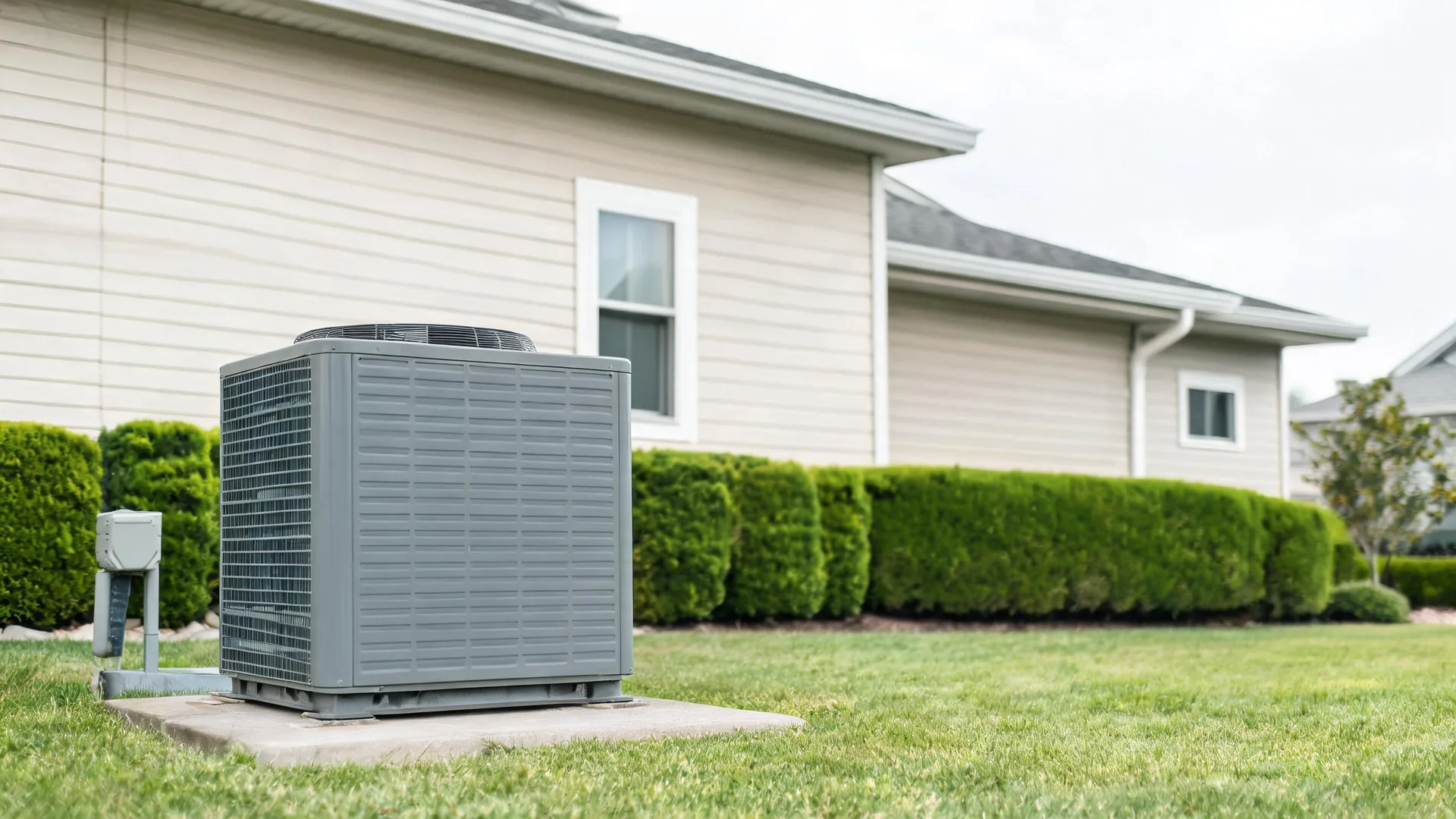
A compressor that only runs two months a year can still lose refrigerant, build up dirt on the coil, or have a capacitor weaken with age. Light duty just means that when something goes wrong, it's usually age or neglect catching up with the unit, not the workload.

NOAA nClimDiv, 1991–2020 normals
July is when cooling starts in Barnes County.
Get the AC checked in June, before it has to work.
A unit can run fine right up to the day it doesn't, which is why most problems show up as small signs first. A warm room that used to be cool, air coming out of the vents weaker than it used to, or a smell when it kicks on are all worth paying attention to. So is a hissing or clicking sound that wasn't there before, or the outdoor unit cycling on and off more than it should. Ice on the refrigerant line is another one, and it means something is wrong even though ice seems like the opposite problem. None of these mean the system is done. They mean it's asking for a look before the part that's struggling fails outright.
Half the homes in Barnes County were built in 1966 or earlier. A system that's been in the house that long has had a lot of years to develop a slow leak or a worn part. A yearly check is how that gets caught before it turns into a breakdown.
Find a contractorBetween visits, the outdoor unit is the thing worth walking past now and then. Keep the area around it clear so air can pull through the coil, nothing stacked against it, no grass clippings or leaves packed into the fins. A hose can rinse the coil off from the inside out if it looks caked with debris, but that's as far as a homeowner should go. Inside, the filter is the one part meant to be handled directly. A dirty filter chokes airflow across the indoor coil, and a coil that can't breathe is more likely to ice over. Check it monthly during the months it runs and swap it when it looks gray instead of white. Beyond that, leave the refrigerant lines, the capacitor and the electrical connections alone. Those are where a yearly check earns its keep.
Refrigerant charge is measured against pressure and temperature, not looked at. A system low on charge can still blow cold air at the register while the compressor works harder than it should and the coil runs colder than it's built for. That kind of shortfall doesn't show up until a gauge set is on the lines.
The capacitor that starts and steadies the compressor and fan motors weakens slowly, with no sound or smell to mark it. It can test weak and still start the unit that day, then fail outright the next hot afternoon. A capacitor test during a tune-up catches that before it becomes a no-cool call.
A tune-up checks the refrigerant charge, cleans the coils, tests the capacitor and tightens the electrical connections.
A tune-up starts with the coils. The outdoor coil gets washed clean of anything packed into the fins, and the indoor coil gets checked for dirt or mold since airflow across it affects everything downstream. The blower wheel gets looked at too, because a dirty one moves less air without changing speed, and most homeowners never see it happen. Electrical connections get tightened, since a loose one builds heat and eventually burns. The contactor gets checked for pitting, the condensate drain gets cleared so it doesn't back up and shut the system down on its own, and the thermostat gets confirmed to be calling for cooling correctly. None of this is glamorous work. It's the kind of thing that keeps a unit running the way it was built to, instead of letting small wear turn into a breakdown.