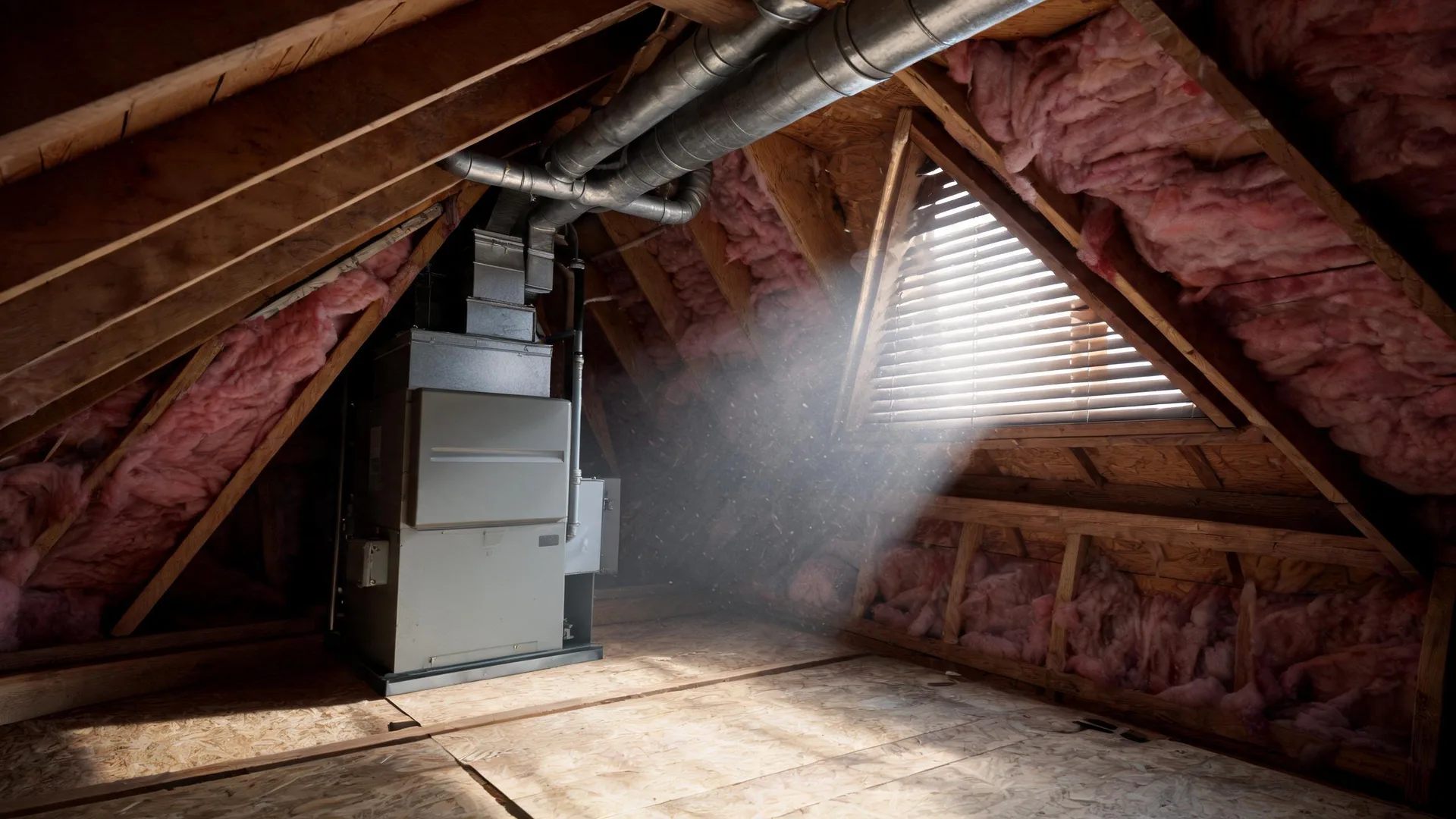
Three months of real cooling here, June through August, with afternoons sitting around 80. That's not a long season, and it's not a hard one on your system. One tune-up before summer covers it, checking refrigerant charge, the capacitor, the coil, before the unit has to run every afternoon. Wind and hail show up often enough in this county that it's worth having someone look over the outdoor unit for bent fins or a cracked cabinet while they're out there. Once a year, timed right, is what this climate asks for.
3 months
June through August, your air conditioner is on duty
80°F
the average summer afternoon it cools against
45 hail events
in ten years, and hail bends the fins on outdoor coils
82 wind events
in ten years, and wind drives debris into outdoor units
Your air conditioner works hardest from June through August.
Jan
Feb
Mar
Apr
May
Jun
Jul
Aug
Sep
Oct
Nov
Dec
NOAA nClimDiv, 1991–2020 normals
Cooling in Richland County starts in June.
Have the AC checked in May, before it has to run.
Half the homes here were built by 1972, old enough that a yearly check matters
Half the homes here were built by 1972Cooling runs June through AugustSummer afternoons average 80°F
Between visits, the thing worth doing yourself is keeping airflow open. Check the filter and swap it when it looks gray or matted, since a clogged filter starves the coil and makes the compressor work harder to move the same air. Walk around the outdoor unit and clear anything crowding it, cut grass, fallen leaves, a stray branch, so it can breathe. Glance at the vents inside and make sure none are blocked by furniture or rugs. If you ever see ice on the refrigerant line or the indoor coil, shut the system off and let it thaw before it runs again, since ice on the coil usually means airflow is restricted or the charge is off, and running it iced up just strains the compressor further. None of this replaces a real tune-up, but it keeps small problems from turning into the reason the system quits on the hottest day.
A system left alone doesn't fail slowly. It fails without warning.
Skip a season and the capacitor is still weak, the coil still dirty. Nothing fails right away. What changes is how hard the compressor has to work to move the same heat through a dirty coil, and a compressor that runs hotter than it should wears faster than one that doesn't. The contactor that was pitting keeps pitting, a little more current leaking across it each time the system cycles, until it either sticks or stops making contact at all. None of this announces itself. The system still turns on, still blows cold air, right up until the day it doesn't, usually on the first real hot afternoon when it finally has to run long and hard instead of in short bursts. A check catches the capacitor before it fails, not after.
A gauge set tells you something a glance doesn't
A quick visit means someone looks the unit over, checks that air is moving, maybe hoses off the outdoor coil. A thorough one means the refrigerant charge gets measured against what the system actually calls for, the capacitor gets tested under load, not just eyeballed, and the contactor gets checked for pitting before it burns through. Anyone can tell you the system runs. Measuring whether it's running right takes the gauges out.
What they skip tells you more than what they do
The coil behind the access panel is the one spot dirt collects without ever showing itself, and it's also the one spot a rushed visit skips because pulling the panel takes time. Same with the condensate line, easy to blow out, easy to ignore, and the kind of thing that backs up and causes water damage months later. If nobody opened the cabinet, they checked that the system runs. They didn't check why it might stop.
Book your AC tune-up in May, before homes here start needing cooling in June.
Jan
Feb
Mar
Apr
May
Jun
Jul
Aug
Sep
Oct
Nov
Dec
A tune-up checks the refrigerant charge, cleans the coils, tests the capacitor and tightens the electrical connections.
A real tune-up starts outside, with the power shut off before anyone touches a wire. The outdoor fan blade gets checked for wobble, the coil fins get cleaned, not just rinsed, since dirt packed between them blocks airflow in a way a quick hose-down misses. Refrigerant charge gets measured with gauges against what the manufacturer calls for, because too much or too little both make the compressor work harder than it should. The capacitor gets tested under load, since a capacitor can read fine sitting idle and still fail the moment it has to start the compressor. Inside, the blower wheel gets looked at for dust buildup, and the drain line gets cleared so condensation has somewhere to go. A thermostat gets checked last, confirming it's calling for cooling correctly and the system answers when it should.