










A gray outdoor heat pump unit on a concrete pad beside a dark horizontal-siding wall, with a small electrical box on the wall, shrubs and a concrete walkway to the right at dusk.

A heat pump pro near you

Do you need backup heat with a heat pump in North Dakota

Yes, in North Dakota winters, and the question is really what kind. A heat pump alone struggles once temperatures drop hard, and most homes here already have gas to fall back on. This page gets into when backup heat kicks in and what size makes sense for your house. Answer that, and a contractor matched to your setup can take it from there.

Find a pro near me

Yes. A heat pump pulls heat from outside air, and North Dakota winters get cold enough, often enough, that the outdoor unit can't keep up on its own. Below a certain temperature, usually somewhere in the teens or lower, the heat pump still runs but it can't pull in enough heat to keep the house warm, and it starts losing ground. That's when backup heat has to take over. Most homes here already have a gas furnace installed alongside the heat pump for exactly this reason, so the system switches to gas automatically once the outdoor unit can't carry the load. The heat pump still does most of the work in fall and spring, when temperatures are milder, which is where it earns its keep. The furnace is there for January, not April. Sizing that backup right, so it carries the house through the coldest stretch without being oversized the rest of the year, is the part worth getting an installer's opinion on.

A woman in a cream knit sweater sits in an armchair with her eyes closed and a slight smile, beside an open window showing orange autumn foliage, with a mug, books and a lit candle on a small side table.
An older man with gray hair and a beard leans back on a beige sofa with his eyes closed, in a sunlit room with potted plants, a wicker chair and large windows behind him.

How the switchover actually works

  • A thermostat set to dual fuel watches outdoor temperature and switches to the gas furnace once the heat pump's output drops too low.
  • Most heat pumps lose a meaningful share of their heating capacity by the time it's in the teens outside.
  • The furnace doesn't just assist, it takes over the job completely while the heat pump stops heating until temperatures climb back up.
  • A contractor sizes the switchover point to the house, not a factory default, based on the furnace and ductwork already in place.
  • Below roughly 0 to 5 degrees, the compressor can struggle to keep running at all, which is when gas needs to be doing the work.
  • Skipping backup heat means the heat pump's electric strips do the job instead, and strip heat costs more to run than a gas furnace on the coldest nights.

The thermostat is doing the thinking here. Set up for dual fuel, it tracks the outdoor temperature and hands the job to the gas furnace once the heat pump can't keep up on its own. That handoff isn't a guess. A contractor sets the switchover point based on the furnace already installed and the ductwork it's tied to, so two houses on the same street can switch at different temperatures and both be right. Once the furnace takes over, it's not splitting the work with the heat pump. The outdoor unit stops heating entirely until the temperature climbs back above the switchover point, and the furnace carries the house by itself. That matters because a heat pump's capacity doesn't fail all at once. It tapers off, and by the time it's in the teens outside, a lot of homeowners are already losing a meaningful chunk of what the system could do in October. Keep going colder, down toward 0 to 5 degrees, and the compressor itself can start struggling to stay running, not just to heat efficiently. That's the range where gas needs to already be carrying the house, not stepping in late. Skip the furnace entirely and the heat pump falls back on electric strip heat instead, which does the job but costs more to run than gas on those same cold nights. The furnace is cheaper insurance for the coldest stretch of winter here.

A gray outdoor condenser unit sits on a concrete pad beside a house with horizontal lap siding, with a wall-mounted disconnect box and refrigerant lines, mulched beds and a shrub nearby, and a concrete walkway in the foreground.
Above the balance point, the heat pump handles the house on its own and the outdoor unit runs steady without the furnace kicking in.
An outdoor air conditioner condenser unit on a concrete pad beside a light gray vinyl-sided house, with an electrical disconnect box and conduit on the wall and bare soil in the foreground.
Below it, the heat pump keeps running but falls behind, and the house needs the gas furnace to carry the rest of the load.

How does the heat pump know when to switch to the furnace?

You've got a heat pump and a gas furnace working together, and you're wondering if there's some smart logic involved or if it's just guesswork. You want to know what's actually watching the temperature and making the call, because that tells you whether the system is doing its job right or just running the furnace too much or too little.

A sensor reads outdoor air and the thermostat makes the call

A thermostat set up for dual fuel connects to an outdoor temperature sensor mounted near the heat pump's outdoor unit. That sensor feeds a reading to the thermostat constantly. Once outdoor air drops to the balance point set during installation, the thermostat locks out the heat pump and calls for the furnace instead. It's not guesswork and it's not the heat pump deciding anything on its own. The installer sets the switchover point based on the equipment and the home, and the thermostat just follows it. If that number gets set wrong, the furnace either kicks in too soon, burning gas the heat pump could've handled, or too late, leaving the house to lose ground on a cold North Dakota morning.

A woman with long gray hair wrapped in a checked blanket sits on a sofa by a window with yellow autumn foliage outside, with a lamp, framed picture and plant in the background.
An older woman in a cream knit sweater sits on a sofa by a window, looking out at sunlit trees with yellow and orange autumn leaves, with a bookshelf and lamp behind her.
A woman with gray shoulder-length hair in a dark knit sweater sits on a cushioned seat by a window, looking out at yellow autumn foliage, with a living room, armchair, houseplant and framed picture behind her.
An older woman with gray hair in a bun, wearing a cream knit sweater, sits on a sofa with a gray blanket and looks out a large window toward yellow-green autumn trees, with a lit table lamp and dark armchair behind her.

A local pro for your heat pump installation

Send the form and the search for an installer is over.

Asking costs nothing, and the choice to hire stays yours.

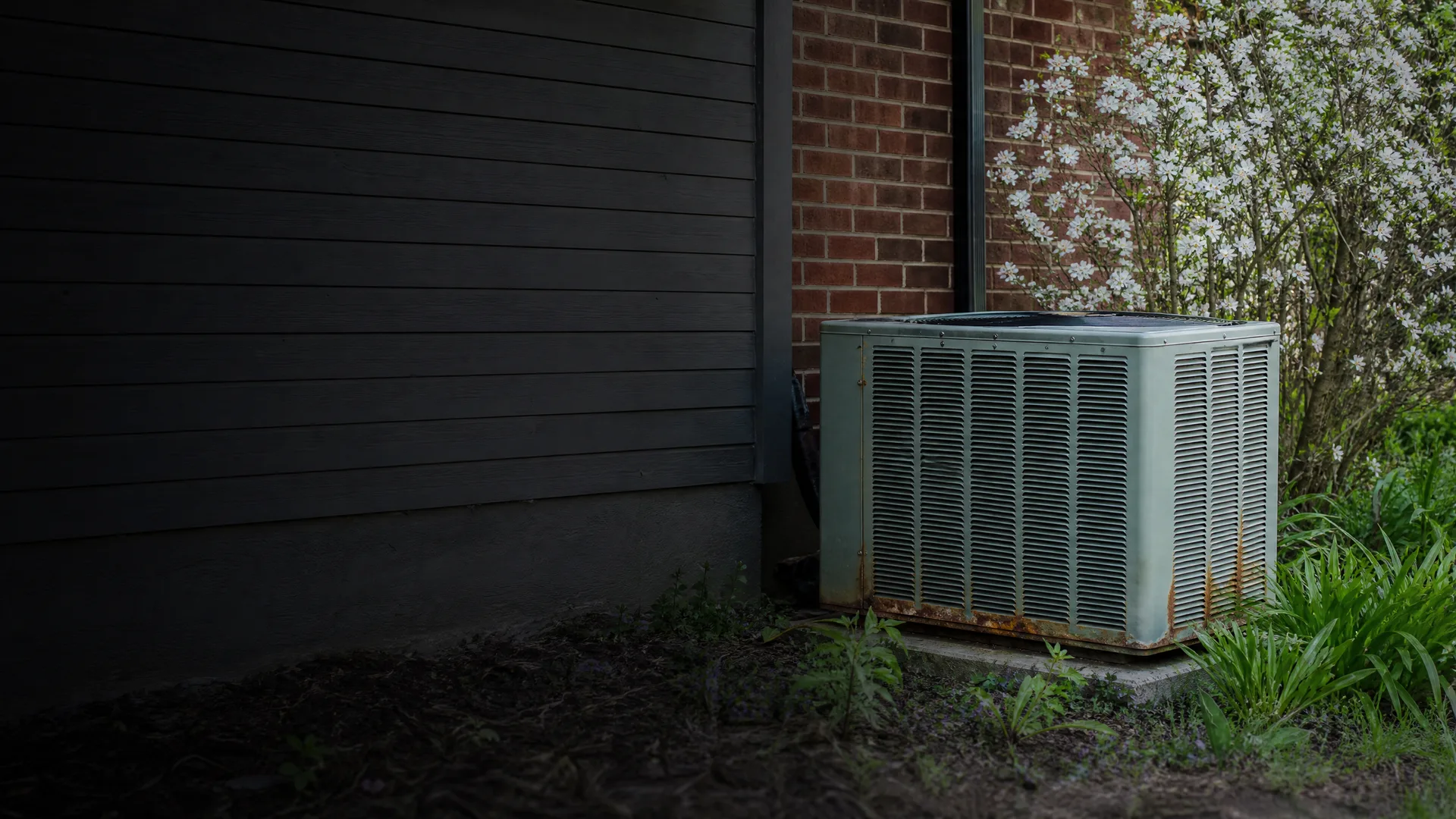
An outdoor air conditioning condenser unit on a concrete pad beside a dark horizontal-siding wall and a brick wall, with flowering shrubs and grass nearby.

You're out in the side yard in April, the snow finally gone, checking on the unit after a winter of leaning on it hard. Rust has crept along the base of the cabinet, right where it sits closest to the ground. The air's dry and mild, none of that summer heaviness yet, and the unit is quiet, not running. You crouch down and look closer at the rust line, wondering how many more winters of hard switching between heat pump and furnace it's got in it before something back there gives out.

Power costs 11.82 cents per kilowatt-hour statewide

At 11.82 cents a kilowatt-hour, running your heat pump here costs less than it would in most states. That makes it worth leaning on through fall and spring, and only letting the gas furnace take over once temperatures drop hard in the dead of winter.

EIA-861 2025 statewide residential average

A gray outdoor condenser unit on a concrete pad beside a light-colored horizontal-siding house, with a disconnect box and refrigerant line on the wall, ornamental grasses and a shrub in mulch nearby, and a concrete patio in the foreground.

The unit holding its own

This is the heat pump most days, pulling heat out of outside air and sending it inside without any trouble. The lines run clean to the disconnect box, the pad is level, nothing's straining. This is what it looks like above the balance point.


An outdoor condenser unit sits on a concrete pad beside a house with horizontal vinyl siding, with a gray electrical disconnect box and conduit on the wall and a shrub at left.

The unit falling behind

Same setup, same lines running to the disconnect, but this is the unit working hard into a cold snap. It's still running. It just can't pull enough heat out of air this cold to keep up, and that's when the furnace needs to carry the rest.

A woman in a cream sweater and jeans stands in the open doorway of a white stucco house, holding the dark door, while a man in a dark quilted jacket seen from behind walks toward the entry past potted plants.

Yes, pair it with the gas furnace you already have

A heat pump in North Dakota needs backup, and in most homes here that backup is already sitting in the basement. The furnace carries the house once it gets cold enough that the outdoor unit can't keep up on its own. Cheap power makes the heat pump worth running hard through fall and spring. Gas takes over for the stretch of winter where it has to.

Sizing that pairing right, and setting the switchover point where it belongs for your house, is the kind of thing worth having someone look at directly. Once you send the form, you're not the one tracking down who does dual fuel installs around here. A contractor who works on these setups gets your information and reaches out to you about your specific situation.

Interior corner with a beige sofa holding a dark green and a light cushion and a textured throw, a potted small-leaved tree beside a white-framed window, and a dark shallow bowl on a wooden coffee table in the foreground.
At dusk, a dark board-and-batten house with a standing-seam metal roof and lit entry walkway of stone pavers, with two large outdoor heat pump units on a stone-walled pad at right and trees and hills in the background.

Heat Pump Installation

Get the right pro for your heat pump

New system or replacementHeat PumpNorth Dakota
Step 1 of 2

What ZIP code is the job in?

  • A brown leather and wood armchair with a cream knit throw sits in a corner beside a woven basket holding a dark cushion, under a framed mountain photograph, with a wood-trimmed window showing yellow and green foliage.
    • Say what's going on with your heat pump, and a pro who works on them reaches out.
    • A local pro who knows heat pumps gets your details and gets in touch.
  • A dark wood dresser against a pale wall holds a ceramic vase of eucalyptus branches, a stack of books with a wooden bowl, and a woven basket, with a framed landscape painting above and a woven basket holding a knit blanket on the floor beside a window.
    • One request ends the search for a heat pump installer.
    • Once you send the form, finding a pro is off your list.
  • A window seat with beige linen and brown textured cushions, a chunky knit blanket, and an open book, beside a window showing blurred yellow autumn foliage.
    • Skip collecting and comparing quotes for the new heat pump.
    • Skip the round of in-home estimates for a new heat pump.
  • A cream upholstered armchair with a rust-colored pillow and knit fringed throw sits beside a window with a ceramic vase of orange-leafed branches on the sill, overlooking autumn trees and leaf-covered ground.
    • One installer gets your project, so there's no bidding war over it.
    • Only one pro gets your request, so you hear from one company.





