






Heat pump running all the time in Minot, ND

RepairHeat PumpWard County, ND
Step 1 of 2

What ZIP code is the job in?

Why does my heat pump run all the time in Minot?

When it's cold out, you expect your heat pump to work harder, but if it never seems to shut off even on a mild day, something is off. You want to know if this is just how heat pumps behave in a place like Minot, or if it's a sign the system is struggling to keep up with the house.

It's likely losing the fight against the cold, not working normally

A heat pump pulls heat from the outside air, and the colder that air gets, the less heat it has to give. Once temperatures drop into the single digits or below, which happens for stretches of winter in Ward County, most heat pumps can't keep up on their own and need to run constantly, often backed by electric strip heat, just to hold the house at temperature. That part is expected. What's not expected is constant running on a day that's only cold, not brutal, or a house that still feels chilly despite the system never stopping. That points to a low refrigerant charge, a failing compressor, or a unit that was sized wrong for your home to begin with.

A two-story light-colored house with a gabled roof stands alone in a flat snow-covered field under a pale overcast sky, with a wooden post-and-rail fence and drifted snow in the foreground.

Winter nights around Ward County average 5°F, according to NOAA climate data. At that temperature, a heat pump is pulling heat out of air that has almost none to give, so it runs long stretches just to hold the house steady. That part is normal. What's not normal is a heat pump that runs the same way on a 30-degree afternoon. If yours can't tell the difference between a hard cold snap and a mild day, something in the system isn't backing off when the outdoor air gives it less to fight.

NOAA nClimDiv 1991-2020

A woman with dark hair in a bun wearing a cream knit sweater sits on a gray sofa in a bright living room, looking off to the side.
A woman wrapped in a knit blanket sits on a gray sofa in a living room, looking toward a bright window with houseplants and an armchair in the background.
A woman in a gray cowl-neck sweater sits on a light sofa with cushions, smiling and looking to the side, with a kitchen and window visible behind her.
A woman with dark hair in a bun, wearing a light linen shirt, sits on a sofa and looks to the side, with a window, houseplants and a kitchen with pendant lights blurred behind her.

Your heat pump isn't just running a fan and a compressor. Below about 20°F, it periodically reverses itself to melt frost off the outdoor coil, which is why the air coming out of your vents can feel cool for a few minutes at a time. That's normal. What's supposed to happen next is backup heat, either a heat strip or your furnace, stepping in to cover the gap while the system is in defrost or working hardest against the cold. If that backup never kicks in, the system has no choice but to run and run, trying to make up ground with outdoor air alone. A stuck relay, a bad defrost control board, or a thermostat that was never wired to call for auxiliary heat can all cause that. So can a refrigerant charge that's run low, since the system then has to move more air to deliver the same heat. If you're seeing ice building up on the outdoor unit faster than the defrost cycle is clearing it, that points to the defrost sensor or the reversing valve, not the cold itself.

Defrost, backup heat, and what fails

  • Below about 20°F, most heat pumps start a defrost cycle that briefly reverses the system to melt frost off the outdoor coil.
  • During defrost, the outdoor fan stops and the system sends heat outside instead of in, so the indoor air can feel cool for a few minutes.
  • A backup heat strip or furnace is supposed to kick in during these cold stretches to cover the gap, and a unit that never uses it will run far longer than it should.
  • Long runtimes without the backup heat ever engaging often point to a stuck relay, a bad defrost control board, or a thermostat not wired to call for auxiliary heat.
  • A heat pump that's low on refrigerant has to run continuously to move the same amount of heat, since each pound of refrigerant is carrying less than it should.
  • Ice building up on the outdoor unit faster than the defrost cycle clears it usually means the defrost sensor or the reversing valve isn't doing its job.
A gray outdoor condenser unit on a concrete pad beside a beige vinyl-sided house, with a wall-mounted disconnect box, flexible conduit, mulch bed, shrubs and a concrete walkway in front.
Clear grille, clean coil, running on its own schedule even on a cold Ward County night.
A weathered gray outdoor condenser unit on a concrete pad beside a house with horizontal vinyl siding, with conduit, refrigerant lines, and an electrical disconnect box on the wall behind it.
Grime on the grille and leaves packed around the base force the unit to run constantly to keep up.

Why does my heat pump run almost all year in Minot?

  • Winter nights average 5°F

    With overnight lows averaging 5°F through December, January and February, a heat pump has to keep pulling heat from air that barely has any, which is long runtimes by design.

  • Heat runs September through May

    Heat stays on from September through May here, nine months out of twelve, so the unit you're hearing is doing the bulk of its yearly work right now.

  • Cooling runs July through August

    Cooling only runs July and August, so a heat pump in Ward County spends most of its life heating, not cooling, which is why it rarely gets a real break.

NOAA nClimDiv 1991-2020

A heat pump that runs nonstop through a Ward County winter is doing the job it was built for, and most of the time that's not a problem you need to fix.

But if it's running that hard on a mild day, or the house still feels cold while it runs, that's not the cold talking. That's the equipment telling you something is wrong.

Power here costs 11.37 cents per kilowatt-hour

At 11.37 cents a kilowatt-hour, running your heat pump long hours through a Ward County winter costs less here than in most places. That's worth knowing before you assume nonstop running is hitting your wallet harder than it should. A unit stuck running on a mild day still wastes power, even at this rate.

EIA-861 2025

Running long but heating fine

The heat pump runs most of the day, but the house holds its temperature and the air coming out of the vents feels warm. Upstairs and downstairs rooms feel about the same. This is what long runtimes look like when the system is keeping up with a Ward County winter. You don't need a contractor out for this. Keep an eye on the thermostat setting and the filter, and let the system do what it's built to do.


Running long and losing ground

The heat pump runs constantly and the house still drifts colder than the thermostat is set for, or one room stays noticeably cooler than the rest. You might notice the air from the vents feels barely warm, not just cool during a defrost cycle. That gap between how hard the system is working and how the house actually feels is the sign something needs a look, whether it's low refrigerant, a failing part, or a system that was never sized right for the house.

A smiling older woman with gray shoulder-length hair in a cream cable-knit turtleneck sweater stands behind a wooden board holding a round loaf of bread, in a warmly lit kitchen with a dark window and shelves behind her.
A woman and a child wrapped together in a thick knitted blanket on a sofa, both with eyes closed, with a lit table lamp and houseplant in the dim background.

Get matched with a heat pump pro in Ward County

Fill out one short form instead of calling around.

You only hire the pro if you want to.

Running an auxiliary heat strip

Most heat pumps in Ward County pair with electric backup heat that kicks in when the outdoor unit can't keep up on its own, usually somewhere in the teens or below. That backup heat is meant for short stretches during the coldest hours of a January night, not for running alongside the heat pump for hours at a stretch. If the thermostat shows auxiliary or emergency heat on for long periods while temperatures outside aren't extreme, the heat pump itself may not be pulling its share of the load, and the backup strip is covering for it. That shifts more of the heating onto electric resistance heat, which works but isn't how the system is meant to run most of the time.

Waiting on a repair before spring

A heat pump that's struggling in February doesn't fix itself by April. Left alone, a unit running harder than it should keeps doing that through the rest of winter, and whatever is causing it, a low charge, a failing part, ice that isn't clearing, tends to get worse under continued strain rather than better. Getting it looked at now means not spending the next search comparing contractors, calling around to see who can come out, and explaining the same symptoms more than once. A contractor matched to your situation already knows what you've described and can check the system against what's normal for a Ward County winter, rather than guessing at what might be off.

An outdoor air conditioning condenser unit with a top fan grille sits on a concrete pad beside a house with horizontal siding and a concrete step.
Before you get your heat pump repair
A gray outdoor condenser unit on a concrete pad beside a house with horizontal lap siding, a conduit and disconnect box on the wall, a shrub with white flowers at right and evergreen foliage at left.
After you get your heat pump repair

What are you noticing around the house

You might feel a draft near the vents even though the system is running, or notice one room staying colder than the rest no matter how long it runs. The power bill creeps up in a way that doesn't match the mild stretches. Maybe you hear the outdoor unit cycling oddly, going quiet and then kicking back on within a few minutes. If the house never quite reaches the temperature you set, or someone in the house keeps reaching for a blanket, that's worth paying attention to. Left alone, a system working this hard for this long tends to wear out its parts faster, and a house that can't hold heat through a Ward County winter is a harder problem to live with than a noisy vent.

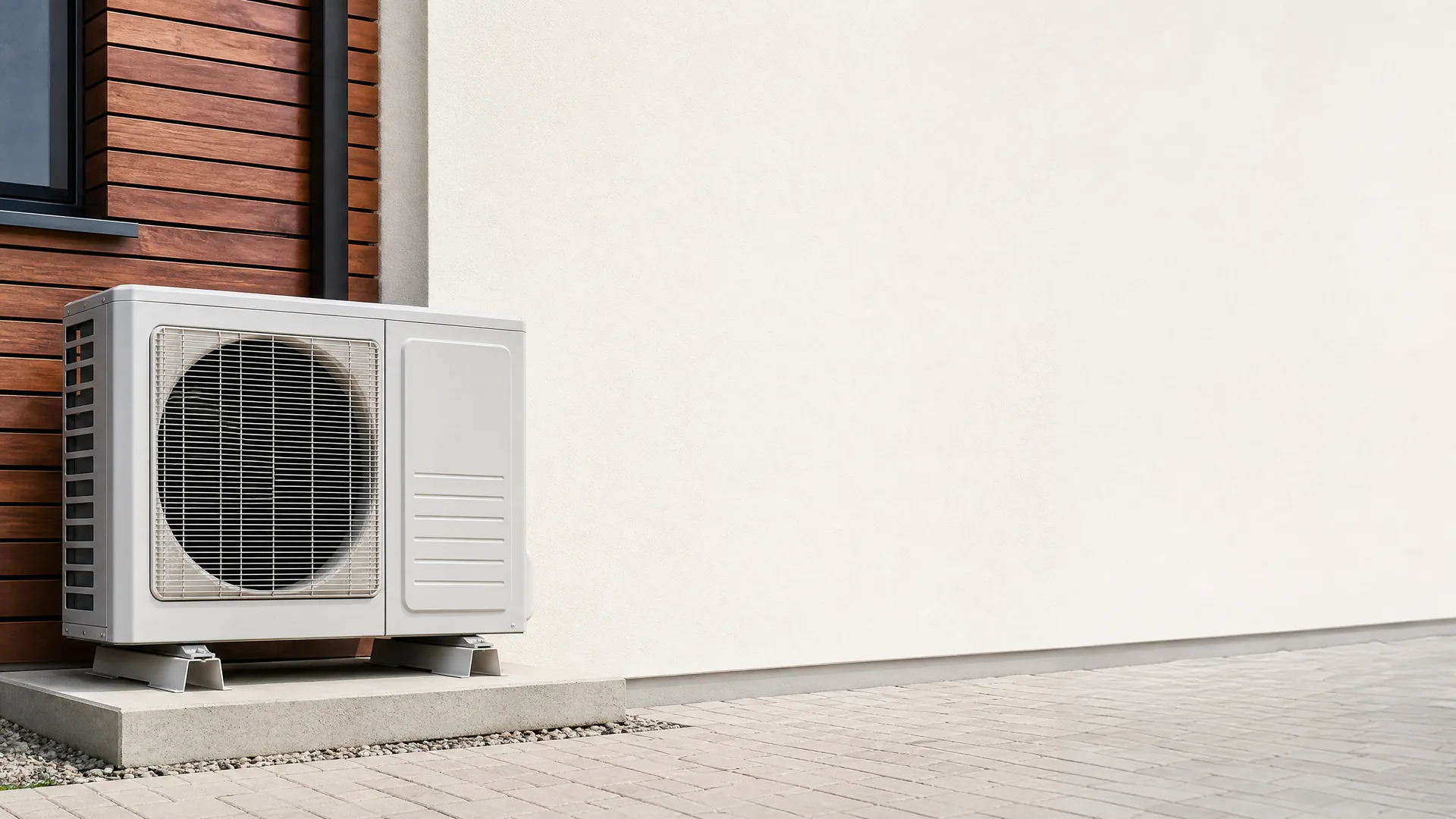
A white outdoor heat pump unit on a concrete pad beside a house with wood-slat siding and a large plain light-colored stucco wall, with paving stones in the foreground.

Calling around to find help

You check reviews, call a few numbers, and explain the same thing each time: the heat pump runs constantly, you don't know if it's normal for Ward County or not, and you need someone who can actually look at it. Some don't answer. Some don't do heat pumps. You wait on hold, leave messages, and still don't have anyone booked while the unit keeps running in the background.

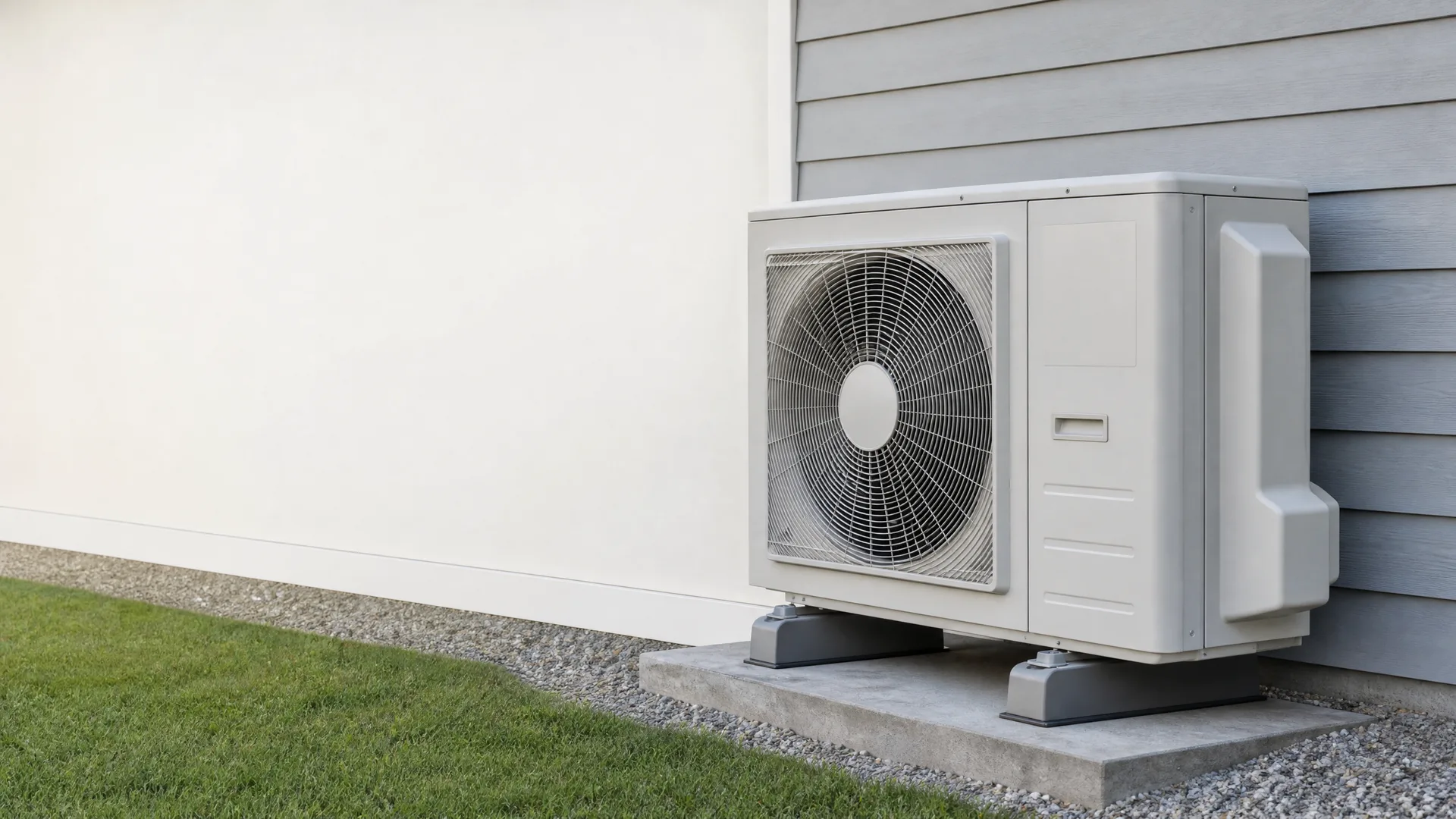
A white outdoor heat pump unit on rubber feet sits on a concrete pad beside a gray-sided house wall, next to a smooth light wall, gravel strip and lawn.

Matched with someone who shows up

You answer a few questions about what you're noticing, and a contractor who works on heat pumps in Ward County reaches out to you. No more sorting through listings or guessing who's reliable. You explain the problem once, to someone who's going to be the one looking at your system, and go from there.

A heat pump running long hours through a Ward County winter is often just doing its job. What tells you otherwise is the house itself: a room that stays cold no matter how long it runs, warm air that isn't actually warm, a bill that climbs on a mild week for no reason. Those are signs worth having someone look at. If you've gotten this far wondering whether to call, you've likely also thought about what that takes: finding a contractor who knows heat pumps and not just furnaces, explaining the same thing to three different people on the phone, waiting to see who calls back. None of that tells you anything about your system. Getting matched with a contractor who knows Ward County winters and having them reach out to you skips all of it, so the only work left is the actual fix, not the search for someone to do it.

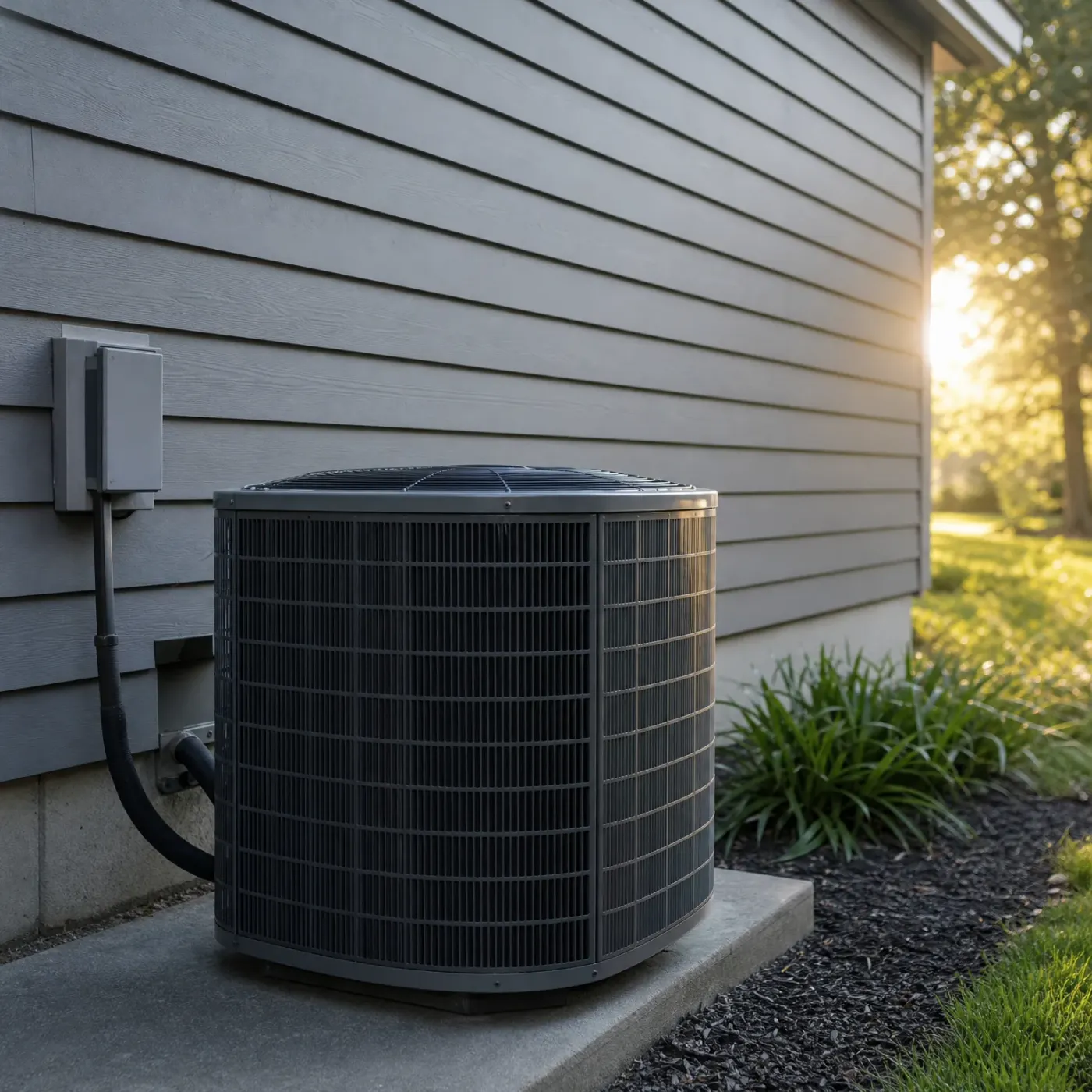
An outdoor air conditioner condenser unit on a concrete pad beside a gray horizontal-lap-sided house, with an electrical disconnect box and refrigerant line on the wall, grass, shrubs and a tree with low sun behind.

Find a heat pump repair pro in Ward County

Find a pro near me

Explain the job once and skip repeating it on every call.

Asking costs nothing, and the choice to hire stays yours.