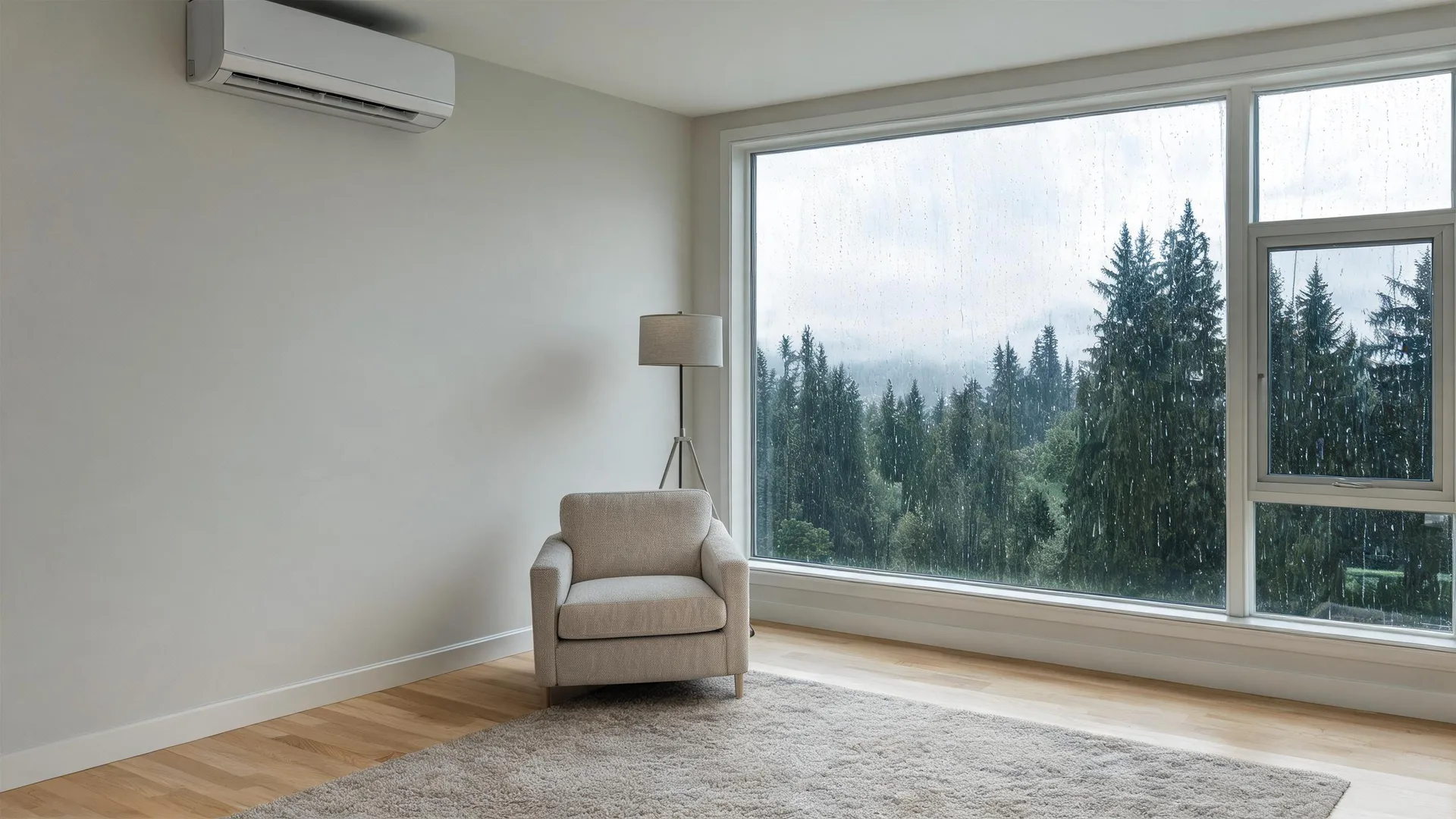
Most homes here run on LP gas
In Mercer County, 58.4% of occupied homes heat with bottled, tank or LP gas. Another 36.9% use electricity. A mini split adds cooling and a second heat source without touching either one.
Takes about a minute. No obligation.
In Mercer County, 58.4% of occupied homes heat with bottled, tank or LP gas. Another 36.9% use electricity. A mini split adds cooling and a second heat source without touching either one.
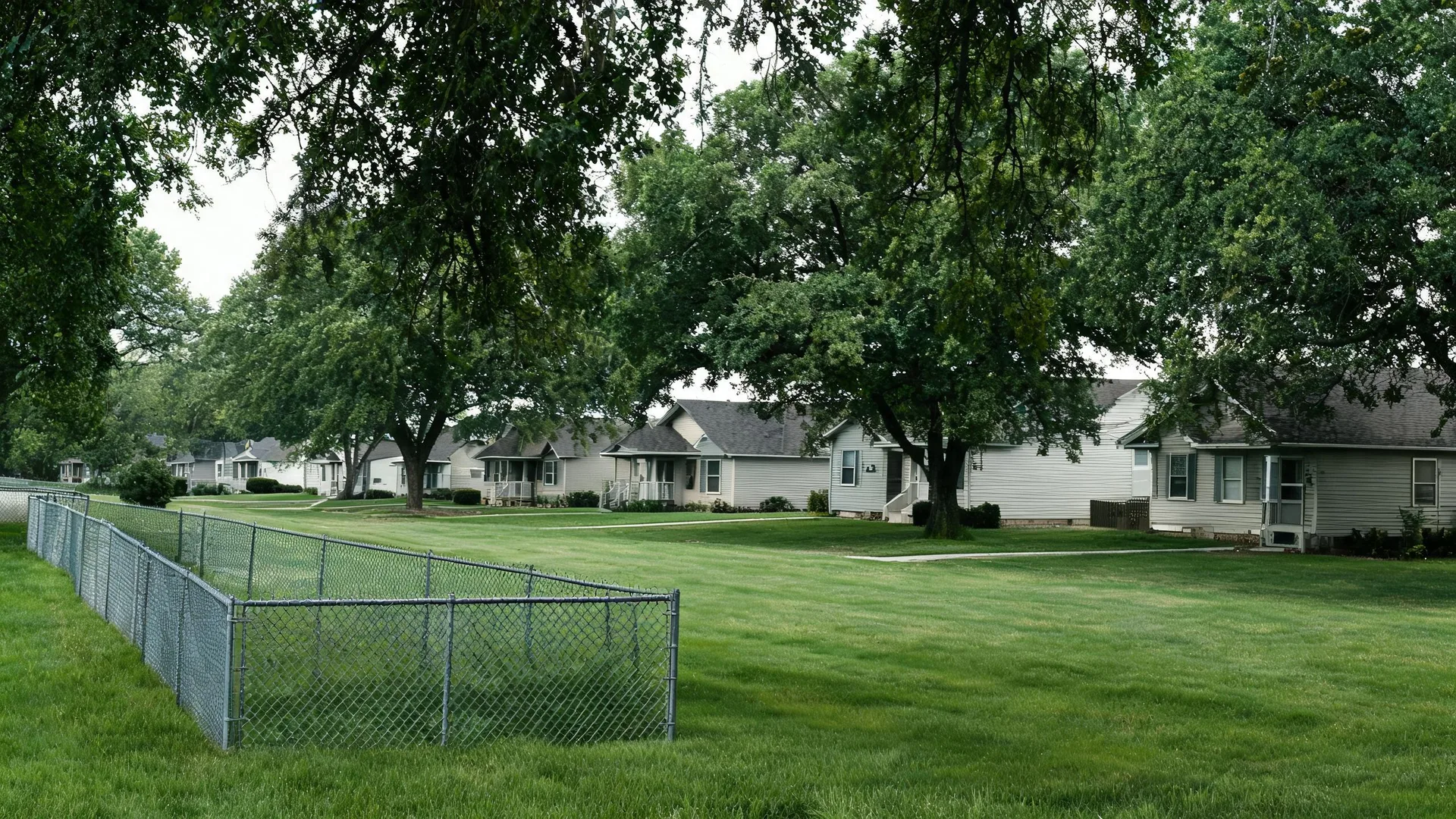
A mini split doesn't need a gas line or a furnace to tie into. It runs on its own electrical circuit, so it installs alongside an LP furnace just as easily as it does in an all-electric home.
NOAA nClimDiv, 1991–2020 normals
Cooling only runs about two months here, July and August, with afternoon highs around 80°F.
A mini split in Beulah isn't working against heat most of the year, so a mid-range system holds up fine.



If this is replacing a window unit or an old wall sleeve, that equipment comes out as part of the job. A window unit just lifts out. A wall sleeve means patching the hole it sat in, and whoever installs the new system should tell you up front whether that patch is included. If there's an old ducted system staying in place for backup heat, the mini split doesn't touch it. The indoor and outdoor units are new parts of the house, not swaps for what's there, so there's no old equipment to haul away unless you're removing something room-specific like a window unit or a space heater you won't need anymore.
Electricity in North Dakota runs 11.51 cents per kilowatthour, cheaper than most of the country. That changes the math on which mini split to pick. The top-efficiency model earns back its extra cost slower here than it would somewhere with pricier power. Picking one that's built well and sized right for the room matters more than chasing the highest efficiency number on the shelf.
Find a contractorTwo months of real work a year is light duty for a compressor. The rest of the time, if it's covering shoulder season mornings or standing by, it's barely loaded. That's not the kind of use that wears a system out early. What shortens a mini split's life here is more likely to be a bad install or a unit left alone too long between checkups, not the hours on the clock.
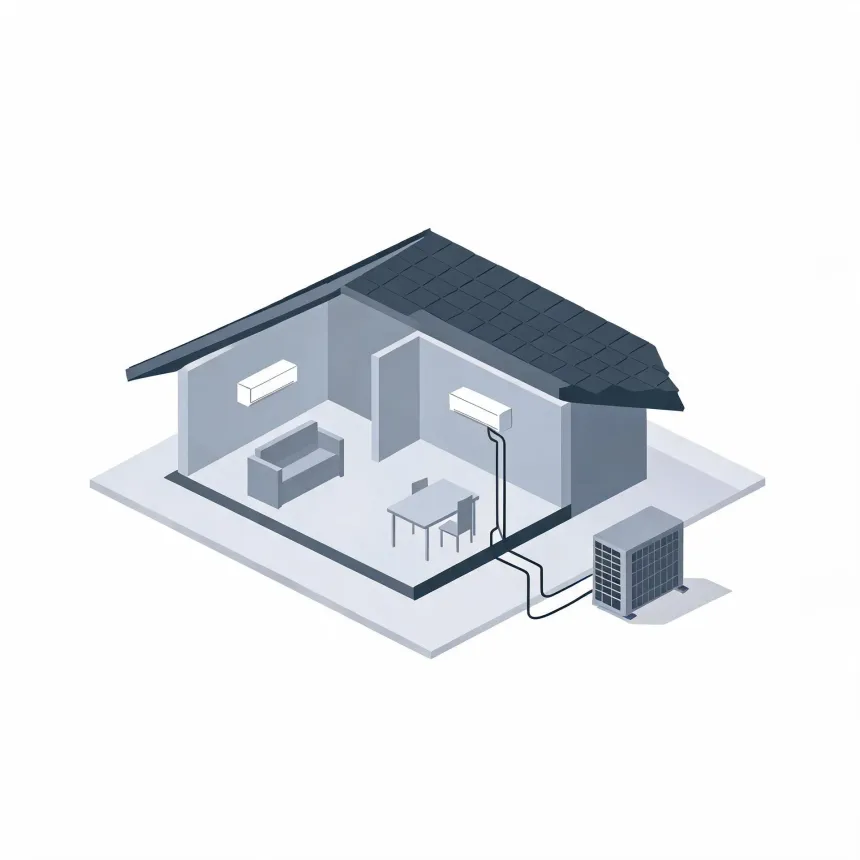
The indoor and outdoor units connect through a line set carrying refrigerant, plus a drain line and a power run. A short, straight path between them is quick work. A long run, one that goes up a floor or around the outside of the house, takes more line, more mounting, and more time on the vacuum pump to purge air and moisture from the lines before the system can charge properly.
Running the lines through the wall means a clean core hole and a simple pass-through. Brick, stone, or a wall with something inside it like a stud placed wrong or a pipe in the way changes that, and whoever's doing the job needs to see the actual wall before they can say how much cutting and patching the install takes.
Sizing a mini split isn't about matching the room's square footage to a number on a brochure. The load depends on ceiling height, how many windows face the sun, what's on the other side of the walls, and how many people actually use the room. Too big and the unit cools the air fast, shuts off, and leaves the room clammy because it never ran long enough to pull moisture out. Too small and it runs flat out all day without ever catching up on the hottest afternoons. A contractor works this out room by room, not by guessing from the whole house, since a mini split is usually heating or cooling one zone and needs to be sized to that space alone. Ask whoever quotes the job to walk you through how they landed on the size, not just what size they picked.
Install day starts outside, not in. The outdoor unit needs clearance on all sides for airflow and a solid, level pad or bracket, since it sits out in the weather for years once it's set. After that the installer cores the wall, runs the line set, and mounts the indoor head. Then comes the vacuum. Pulling a vacuum on the line set clears out air and moisture before the refrigerant gets released into the system, and skipping it causes compressor trouble that shows up months later, not on install day. The last step is commissioning. That means checking refrigerant pressures, confirming the indoor head reads temperature correctly, and running the system in both heating and cooling before anyone calls the job done. A unit that blows cold air isn't proof the job is finished.