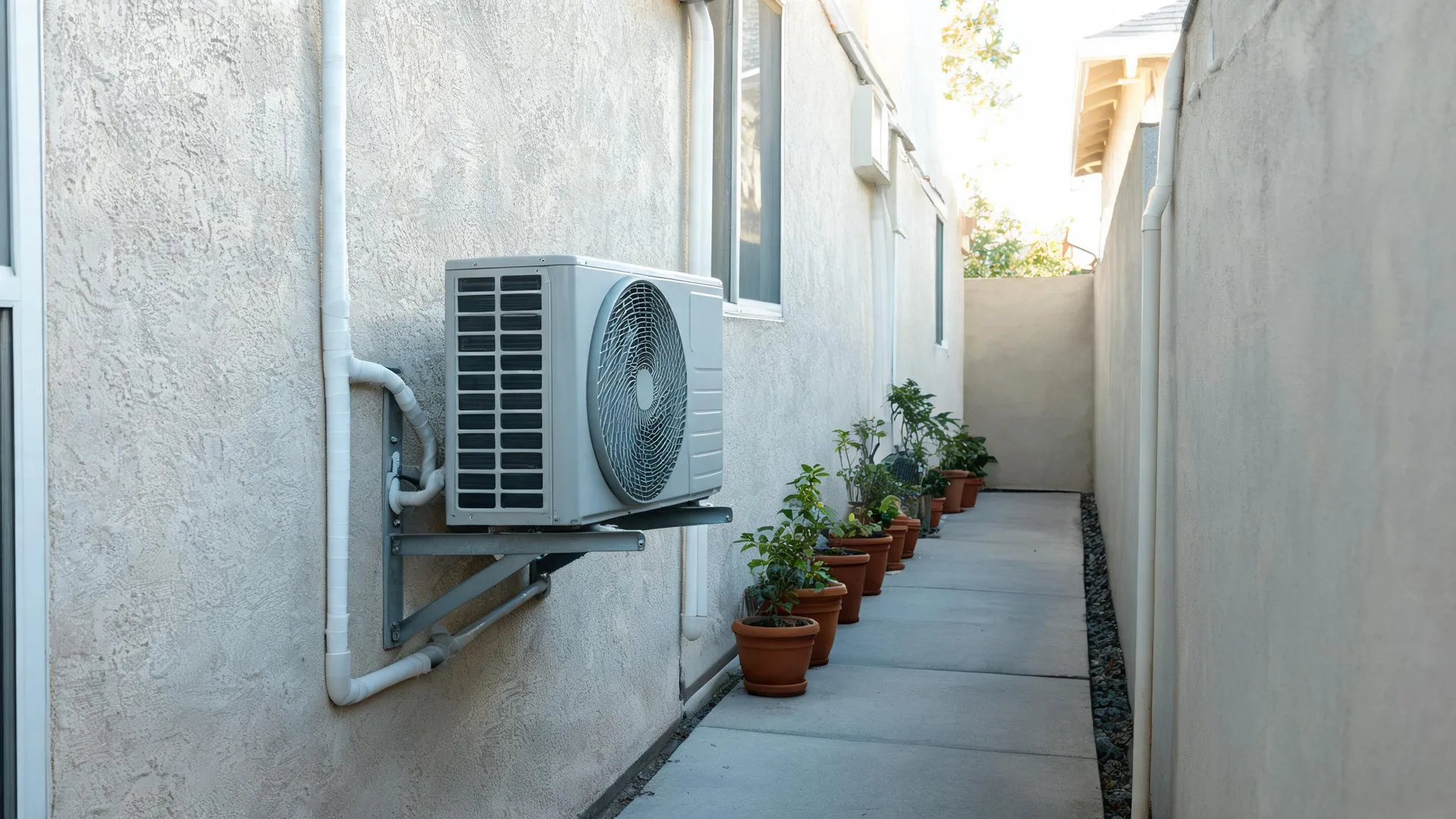
Most homes here run on electricity
Electricity heats 59.2% of occupied homes in Bottineau County. Bottled or LP gas comes next at 28.0 percent, with fuel oil or kerosene heating a small share of homes.
Takes about a minute. No obligation.
Electricity heats 59.2% of occupied homes in Bottineau County. Bottled or LP gas comes next at 28.0 percent, with fuel oil or kerosene heating a small share of homes.
If your house already heats with electricity, a mini split works with what's there instead of adding a fuel line or a tank. That makes it a straightforward swap for baseboard heat or an aging electric furnace.
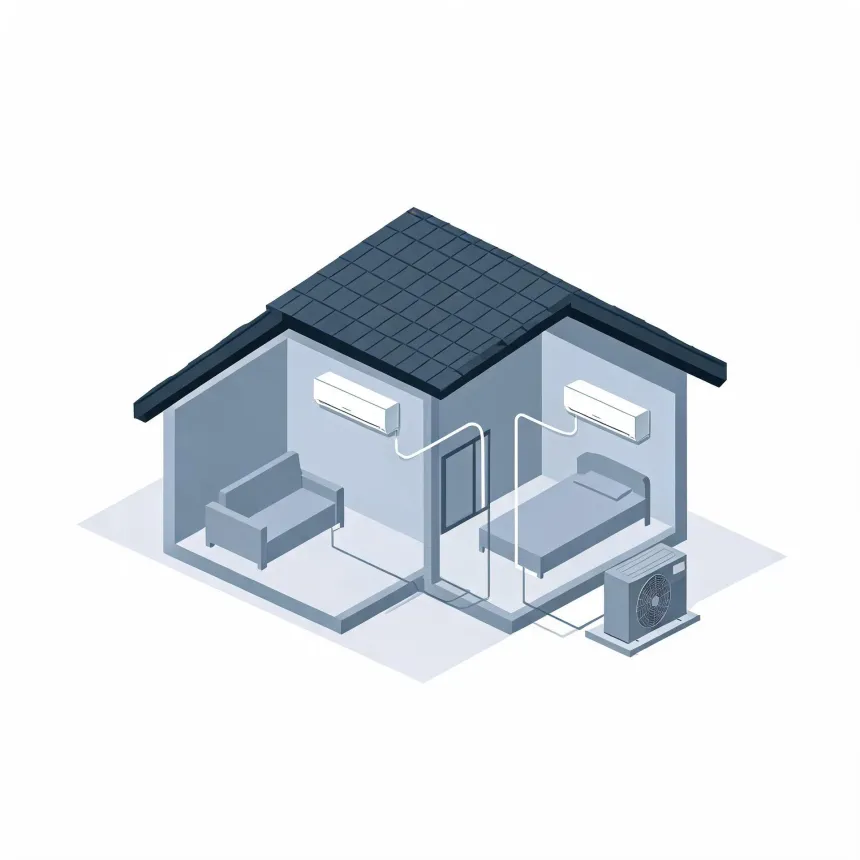
NOAA nClimDiv, 1991–2020 normals
Half the homes in Bottineau County were built in 1976 or earlier, half later.
A mini split sized for a normal home handles either age, no special equipment needed.




At 11.51 cents per kilowatt-hour, North Dakota power sits well below the national average. That changes how to shop for a mini split. The highest SEER unit on the lot earns back its extra cost slowly when electricity is already cheap, so chasing the top efficiency number is not where the value is. What matters more is whether the unit is sized right for the rooms it covers and whether the outdoor compressor is rated to keep working in a hard winter. A mini split that holds its output at low temperatures and matches the space will serve you longer than one picked for an efficiency rating alone.
Bottineau County falls under zone 7, the coldest band in the energy code. A ductless mini-split counts as a split-system heat pump under the federal standard, so any unit installed here has to clear 14.3 SEER2 for cooling and 7.5 HSPF2 for heating. That narrows the field before you even start comparing brands. A federal tax credit is available on qualifying equipment, which offsets some of the cost of meeting that standard.
Find a contractor
Cooling runs about two months here, July and August, with afternoon highs averaging 78°F. That is a light load for a compressor to carry. Most of the wear on a mini split comes from long stretches pushing hard against heat, and this county doesn't ask for that. What it does ask for is a unit that can take a hit. Wind has damaged property here 34 times in the past decade, and hail even more often. The outdoor unit sits outside through all of that, so the cabinet and coil matter as much as anything inside. A sound compressor built to hold up through wind and hail will outlast one picked for an efficiency number it never gets the chance to use.
A single indoor head tied to one outdoor compressor costs less than a system feeding several rooms. Each added zone means another indoor unit, another line set run through the wall, and an outdoor compressor sized to carry all of them at once. Pricing a mini split starts with deciding how many rooms actually need their own head, not just a whole-house estimate.
The refrigerant line connects the outdoor compressor to each indoor head through a hole drilled in the wall. A straight shot through an exterior wall is quick work. A run that has to cross an attic, drop down an interior wall, or cover real distance between the compressor and the farthest head takes longer and uses more line set, and that labor is a real part of the bill.
An old baseboard heater is simple to deal with. Once the mini split is running, the breaker gets shut off and the baseboard units come off the wall whenever it's convenient, since they aren't tied into anything else in the house. A window unit or portable AC just gets unplugged and hauled off. A furnace tied to ductwork is a different question. The ducts themselves usually stay put, and whoever does the install can tell you whether they're worth keeping as a backup heat source or whether capping them off makes more sense. None of these old systems have to come out before the new one goes in. The mini split can be installed and running while the old system is still in place, so there's no stretch with no heat or cooling while the changeover happens.
Install day starts with the outdoor compressor going on a mounting pad or wall bracket, set where snow won't bury it and the service tech can get to it later. Inside, the installer mounts a bracket for each head, levels it, and drills through the wall for the line set. That line set carries refrigerant lines, a drain line, and electrical wiring together, wrapped and sealed where they pass through the wall. Once the lines are run and connected at both ends, the system gets evacuated with a vacuum pump to pull out air and moisture before any refrigerant moves through it. Skipping that step is the most common reason a new mini split underperforms from day one. After that, it's a pressure test, a check of refrigerant charge, and powering it on to confirm each head is heating and cooling the room it's supposed to. A straightforward one-zone job can wrap in a day. More heads or a harder line set run push it longer.