Most homes here run on electric heat
Electricity heats 57.9% of occupied homes in Towner County. A mini split runs on electricity too, so for most homes here it's the same fuel they already have, not a switch to something new.
Takes about a minute. No obligation.
Electricity heats 57.9% of occupied homes in Towner County. A mini split runs on electricity too, so for most homes here it's the same fuel they already have, not a switch to something new.
A home already wired for electric heat usually has panel capacity a mini split can work with. That's one less thing to sort out before the outdoor unit goes in and the lines run to each room.
NOAA nClimDiv, 1991–2020 normals
Half the homes in Towner County were built in 1969 or earlier.
A mini split going into a house that age has to work with the rooms and walls already there, not the other way around.




Cooling only runs one month here, and even in July the afternoon high averages 77°F. That's a light load for a mini split to carry. You don't need the biggest compressor on the lot, or the highest efficiency rating, to keep up with a summer that mild. What the outdoor unit does need to handle is wind and hail, both common here. A straightforward system from a brand with parts and service nearby will hold up better than one bought for a harsher climate it'll never actually see.
If you're replacing a system in an older house, the new one has to fit the house you have.
Find a contractor
Have the installer walk the rooms before they size anything. An older layout often means plaster walls, window placement that limits where a line set can run, or rooms that were never meant to share airflow with the rest of the house. That's not a problem, it just means the number of indoor heads and where they go should follow a look at your actual rooms, not a one-size figure off a spec sheet.
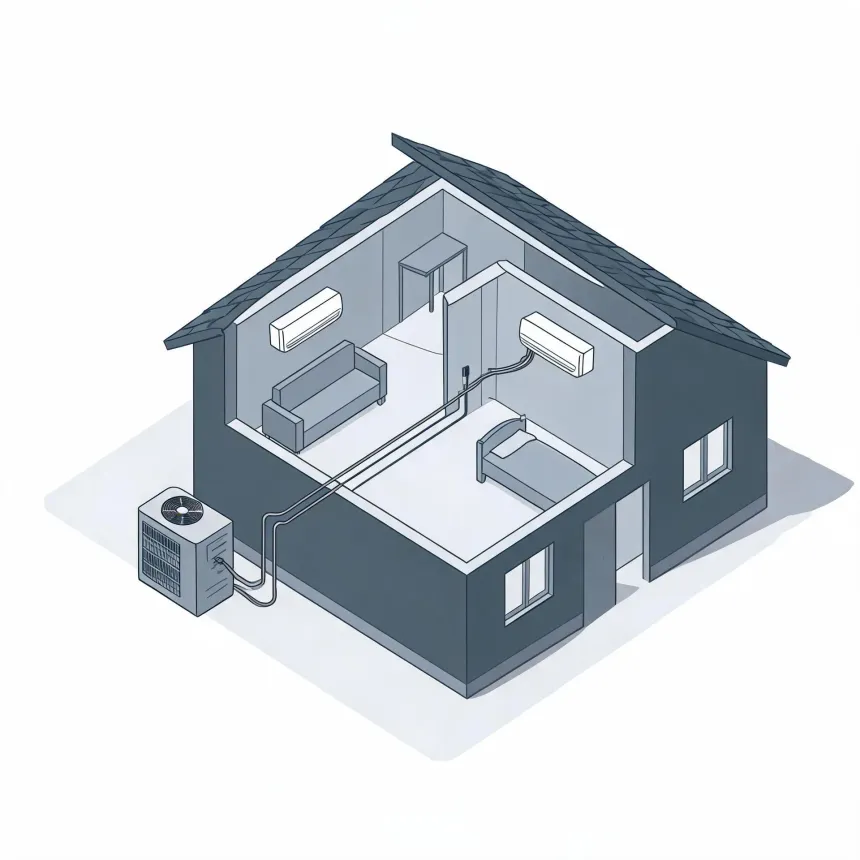
Every indoor head needs its own line set run through the wall, its own mounting spot, its own place to drain condensate. Adding zones means more wall penetrations, more line hiding, more spots that need to be level and clear of obstructions. The number of rooms getting their own head drives the job as much as the equipment does.
An outdoor unit sitting right below the indoor heads is a short, simple run. One on the far side of the house, or heads on a floor above it, means longer line sets, more wall to open up or box in, and more places the refrigerant lines have to turn. A straight shot and a long, bent one aren't the same job even with identical equipment.
Whatever heated those rooms before, a furnace, baseboard heaters, a wood stove, doesn't have to come out the day the mini split goes in. A lot of homeowners keep the old system in place for the worst cold and let the mini split carry the rest of the year. If it's electric baseboard, it can stay wired and just get used less. If it's a furnace, the ductwork stays put and keeps working the same as always. The one exception is anything that shares a flue or vent with another appliance, like an old gas furnace tied to a shared chimney liner. Pulling that out can change how the other appliance vents, so that part of the job is worth asking the installer about directly rather than assuming it's a simple removal.
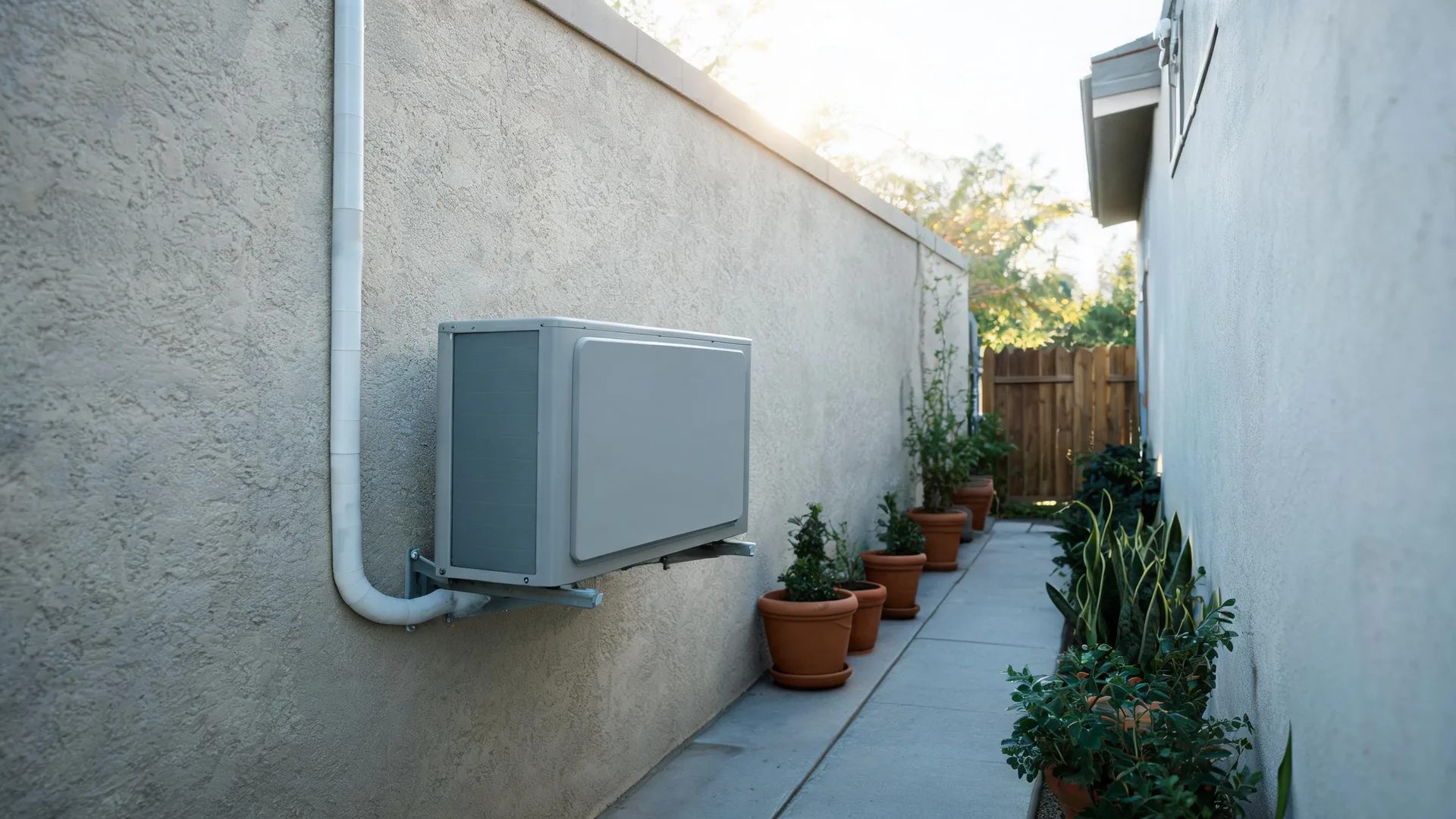
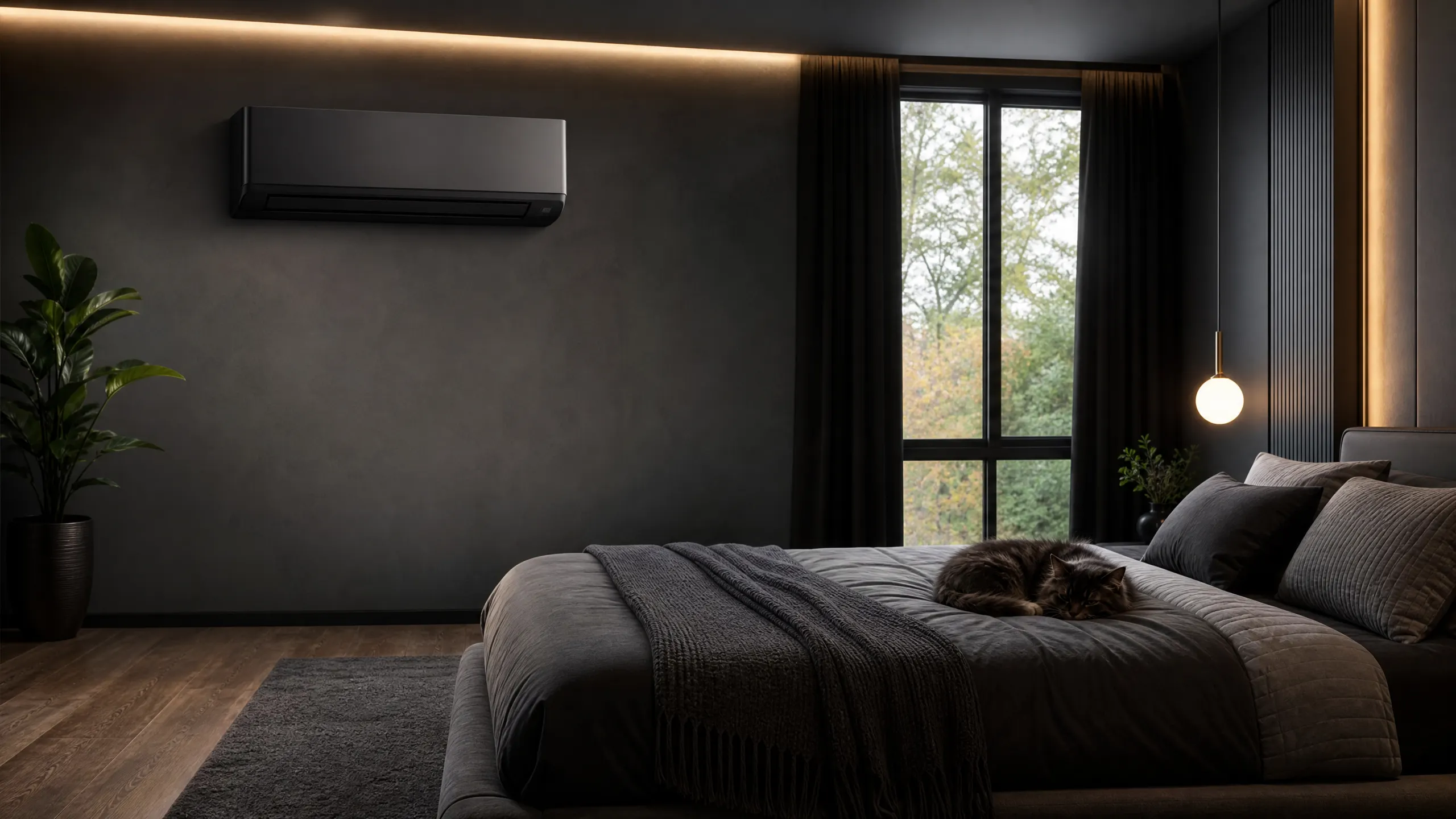
Installation day starts outside with the outdoor unit, mounted on a pad or bracket where it has clearance on all sides for airflow. Inside, each indoor head gets mounted high on a wall or ceiling where it was marked out ahead of time. The line set, a pair of refrigerant lines plus a drain line and power wire, runs from each indoor head out to the outdoor unit through a hole drilled in the wall, usually hidden behind a cover that runs down to the ground. Once everything's connected, the lines get pulled down to a vacuum to clear out air and moisture before refrigerant ever flows through them. Skip that step and moisture left in the lines can cause problems with the compressor down the road. The installer charges the system, checks refrigerant pressure against what the manufacturer specifies for the line length, then runs each zone to confirm it's heating and cooling and that the drain line clears condensation the way it should.