Electric heat is the norm here
Electricity heats 44.9% of homes in Sargent County, more than gas, propane or oil. A mini split fits right into that setup since it runs on electricity too, with no gas line or flue to deal with.
Takes about a minute. No obligation.
Electricity heats 44.9% of homes in Sargent County, more than gas, propane or oil. A mini split fits right into that setup since it runs on electricity too, with no gas line or flue to deal with.
Bottled or LP gas heats 33.0% of homes in the county. If that's your furnace now, a mini split works alongside it, handling the shoulder seasons or specific rooms while the furnace covers the coldest stretch.
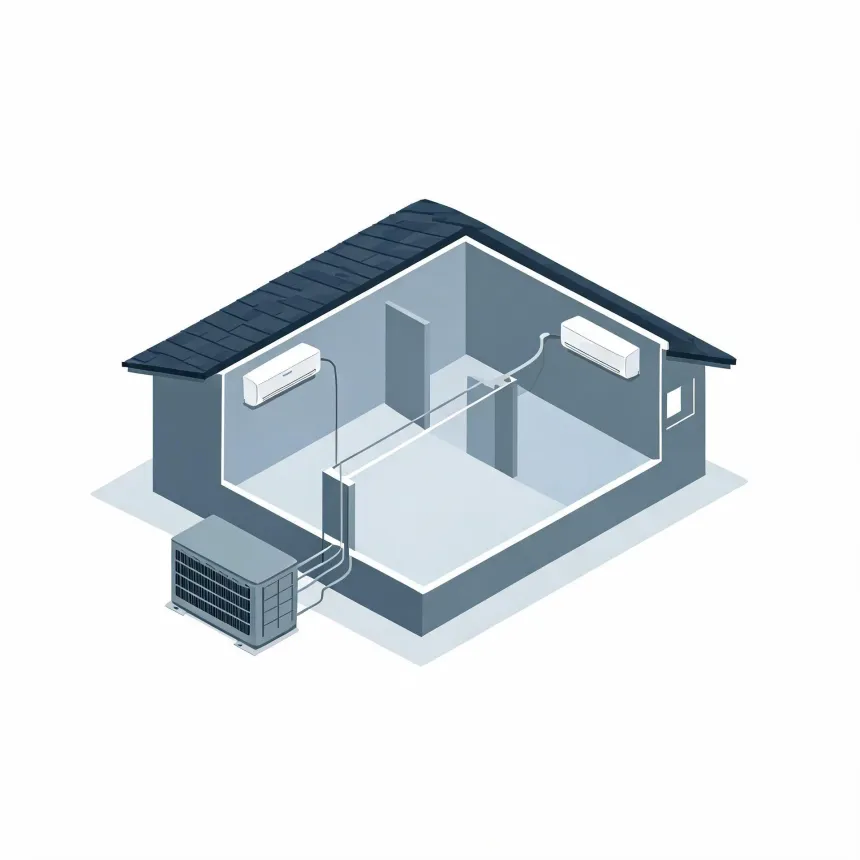
NOAA nClimDiv, 1991–2020 normals
Cooling only runs three months here, June through August, with afternoon highs around 80°F.
A mini split in Sargent County isn't fighting heat most of the year, so a mid-range system holds up fine.




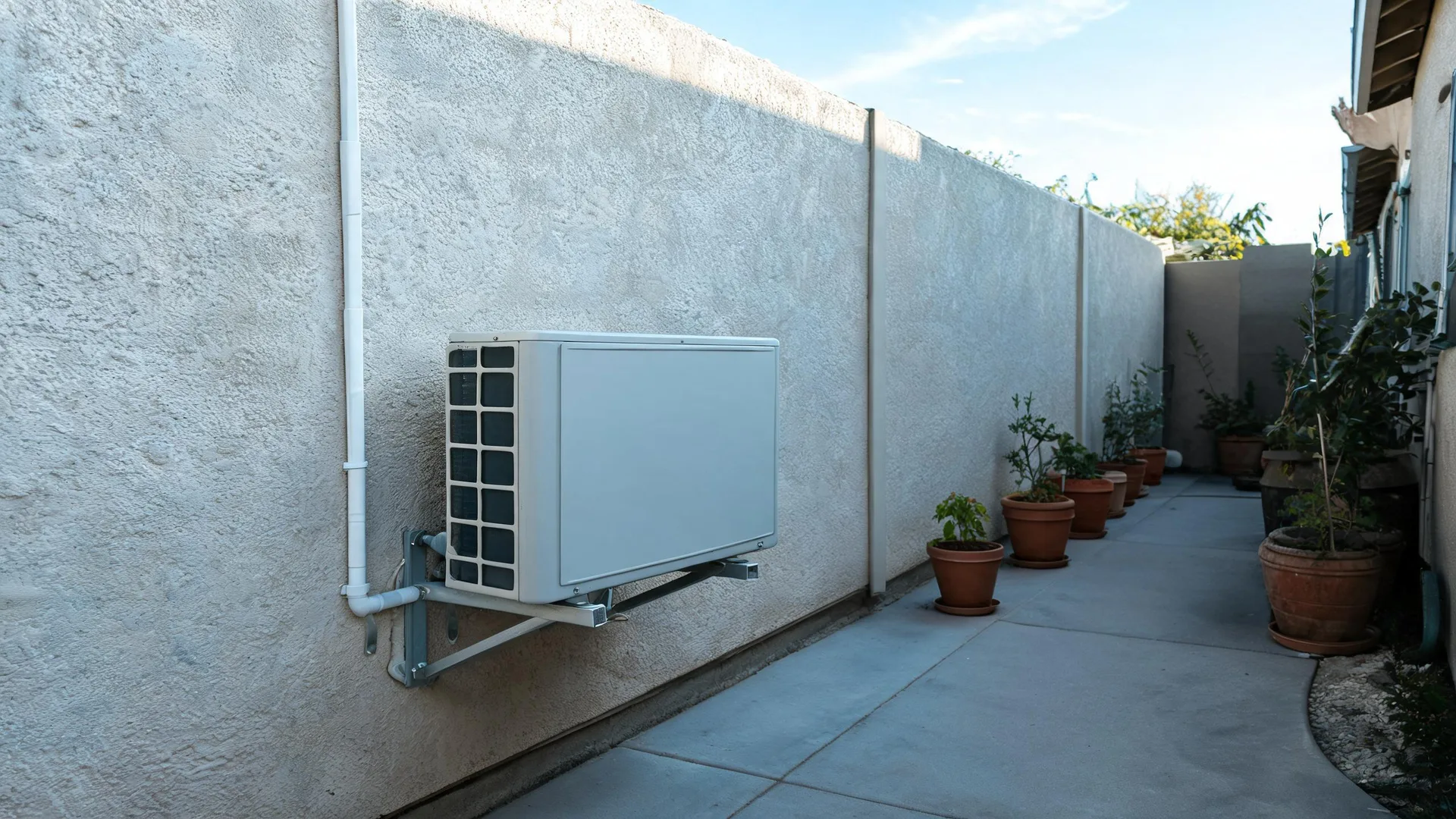
Half the homes in Sargent County were built in 1975 or earlier, half in 1975 or later. Either way, a mini split doesn't care how old the house is. It needs a spot on an exterior wall for the line set and a place outside for the condenser, and that's about it. No ductwork to tie into, no gas line to run. A standard single or multi-zone system, sized for the rooms it's covering, is what most homes here need. Nothing about this county calls for oversizing it or stepping up to a pricier unit.
Zone 6A means any mini split going in here has to clear 14.3 SEER2 for cooling and 7.5 HSPF2 for heating, the federal minimum for split-system heat pumps built from 2023 on. That's the floor, not a reason to pay for more. A system that meets it and fits the rooms it's covering also qualifies for the federal tax credit.
Find a contractor
Three months of cooling a year is light duty for a compressor. June through August, highs sitting around 80, the unit isn't working anywhere near what it's built to handle. That kind of load doesn't wear out a mid-range system before its time, so there's little reason to pay more for one rated to take a beating it will never see here. Put the money into getting the size and the install right instead.
A contractor measures each room, checks the windows, the insulation, the exterior walls, and works out how much heat the space gains in summer and loses in winter. That load, not the square footage alone, decides which unit and which indoor heads go in. Rooms the same size can need different capacity if one has more glass or faces a different direction.
A unit too big for the space cools the air fast and shuts off before it pulls the moisture out, so the room feels cold and clammy instead of comfortable. It also cycles on and off more, and that start-stop pattern wears on the compressor more than running steady does. Bigger isn't a safety margin here, it's a different set of problems.
The unit and the zones it covers are a small part of what gets paid for. Most of the job is the line set run, the refrigerant lines that connect the outdoor condenser to each indoor head, and how far and how clean that run is changes the labor a lot. A straight shot through one exterior wall is quick. A run that has to go up through a chimney chase, across an attic, or down multiple floors to reach a head on the far side of the house takes longer and needs more material. Every indoor head needs its own line set, its own condensate drain, and its own spot on an exterior wall, so a multi-zone system costs more to put in than a single zone, not because the equipment is pricier but because there's more running and mounting to do. The electrical hookup matters too. A mini split needs a dedicated circuit, and whether the panel has room for one more breaker or needs work to make room changes what the job takes. None of this shows up on the unit's price tag, but it's most of what a contractor is pricing when they quote the install.
Install day starts with the parts that don't move once they're set. The contractor mounts a bracket on the exterior wall, runs the line set through a sleeve drilled for it, and sets the condenser on a pad outside, leveled and clear of anything that blocks airflow around it. Inside, the head goes up on the wall or ceiling, and the line set and condensate drain get connected. The whole refrigerant line gets pressure tested before anything is charged. That test matters more than it sounds like it should. A leak found after the charge is in means pulling it back out. Once the pressure holds, the system gets evacuated to pull out moisture and air, then charged to the weight the manufacturer specifies for that line length. The electrical hookup, the dedicated circuit and breaker, gets tied in and tested alongside it. Last comes the run itself. Each head gets checked to see that it calls for cooling or heat and actually delivers it, and that the system cycles the way it's supposed to instead of short-cycling or running without shutting off.