Gas heats most homes here
Utility gas heats 48.8% of occupied homes in Stutsman County, with electricity a distant second at 32.0%. A furnace or boiler is the default here, not a heat pump.
Takes about a minute. No obligation.
Utility gas heats 48.8% of occupied homes in Stutsman County, with electricity a distant second at 32.0%. A furnace or boiler is the default here, not a heat pump.
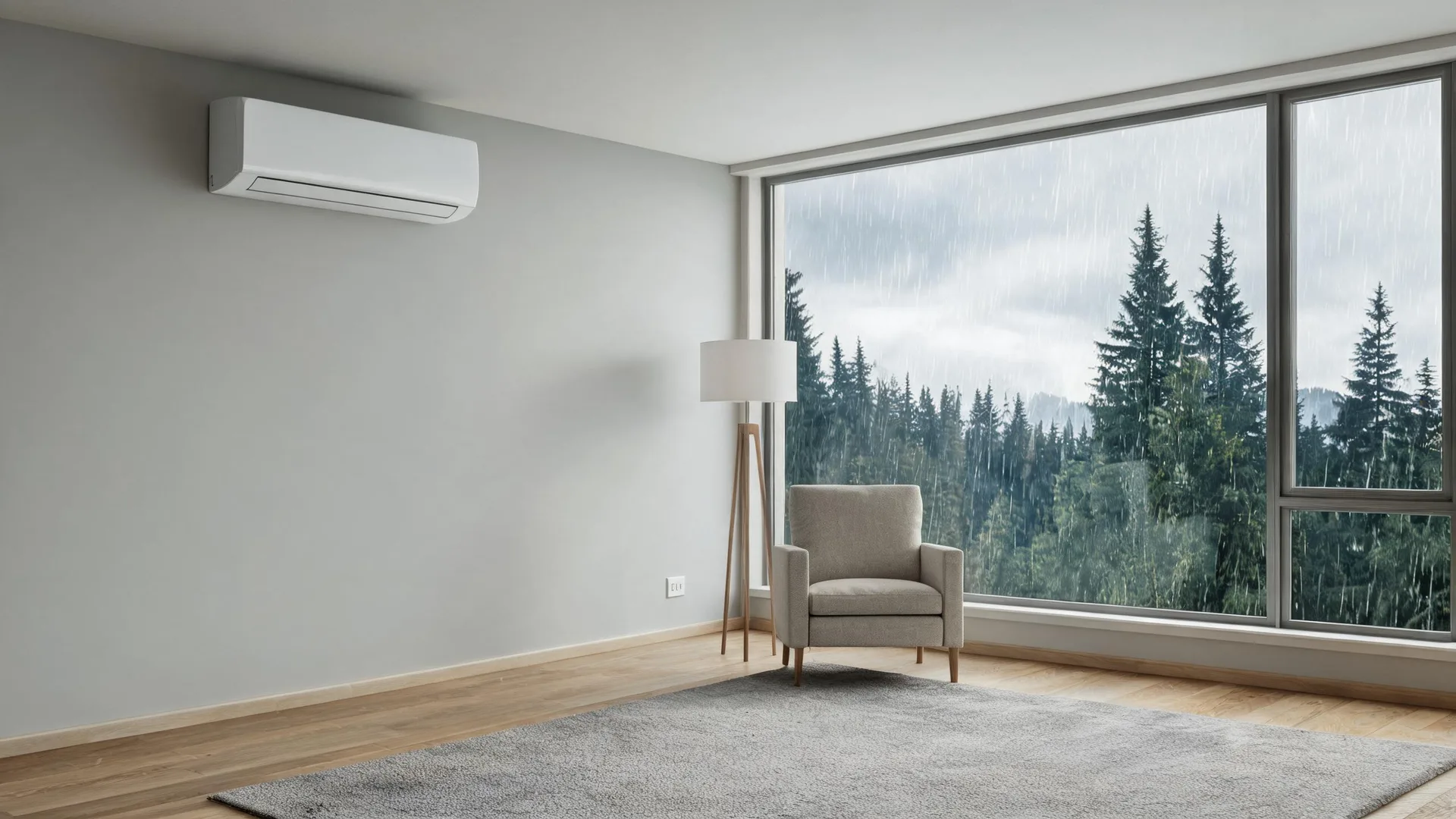
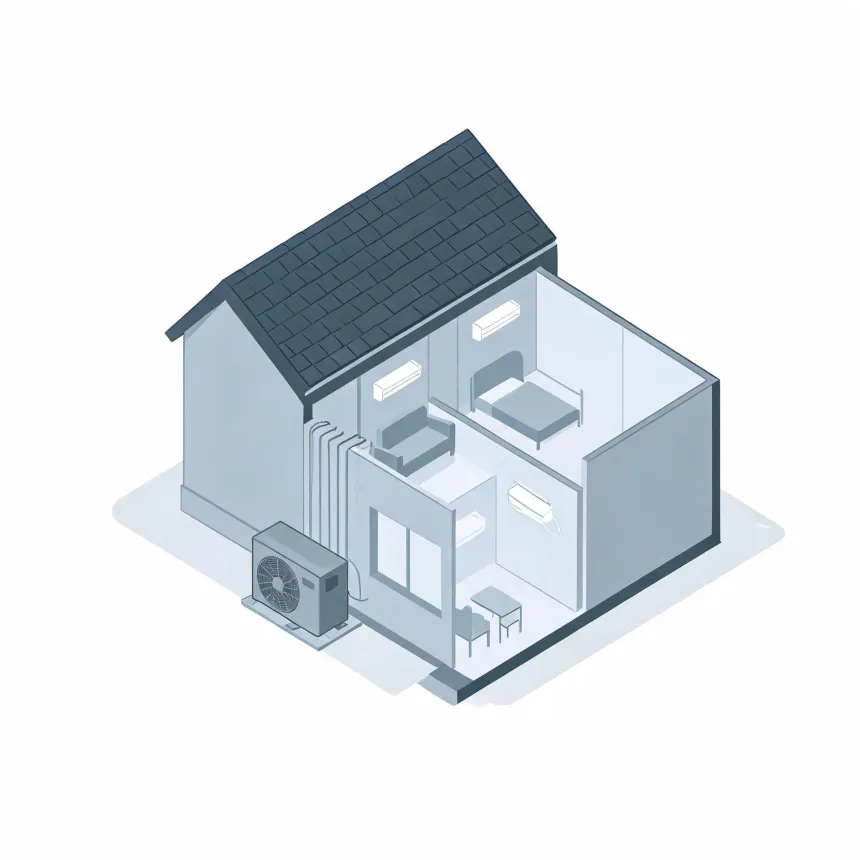
For a house already on a gas furnace, a mini split is usually brought in for air conditioning, or to heat and cool one room without running ductwork to it. It works alongside what's already there, not in place of it.
NOAA nClimDiv, 1991–2020 normals
Half the homes in Stutsman County went up in 1973 or earlier.
A mini split going into a house that old has to work with the walls and rooms already there, not some standard layout.




Cooling here only runs from July through August, about two months a year. That short a season still deserves a system that's ready on day one, not one still being installed in the middle of it. June is a better month to get a mini split in. You're not waiting on a contractor's schedule during the busiest stretch of summer, and you're not cooling your house with the windows open while the job gets done. Get it done before July and the only thing you'll notice when the heat shows up is that the house is already cool.
Stutsman County is zone 6A under the 2021 energy code, a cold climate with winter lasting from fall into spring. A mini split installed here, ductless or not, has to meet the same federal minimum as any split-system heat pump. That's 14.3 SEER2 for cooling and 7.5 HSPF2 for heating. Anything short of that is off the table before you even get to brand or size. A federal tax credit is available on top of that for equipment that qualifies.
Find a contractor
That split, half the homes older, half newer, means an installer can't assume what's behind your walls. Plaster, old wiring, a chimney chase that used to vent a coal furnace, any of it changes where the line set runs and where the indoor head can go. If your house went up on the older side of that line, say so when you're getting quotes. It changes how the job gets planned, not just how long it takes.
If a mini split is backing up a gas furnace or taking over cooling, there's no old system to remove. The furnace keeps running the same as before. The mini split is new equipment going in, not a replacement for something coming out.
When a mini split does replace an old window unit or an electric system, the old equipment has to be disconnected and hauled off, and any refrigerant in it has to be recovered properly, not vented. That work gets priced and scheduled as part of the install, so it's worth asking whether it's included before the job starts.
Ask how many zones one outdoor unit is running and what happens if an indoor head needs service. A system tied to several rooms off a single compressor means a problem anywhere can affect comfort everywhere, so ask whether each head runs on its own schedule or if they're locked together. Ask where the outdoor unit will sit and how far the line set has to travel to reach it, since a longer run affects how well the system holds its rated output. Ask what backs up the heat on the coldest day, since every heat pump loses capacity as the temperature drops, and the quote should say plainly what happens then. And ask who is sizing the unit to the room. A mini split sized by floor area alone, without accounting for windows, insulation, or how the room gets used, ends up oversized or undersized no matter how good the equipment is.
The federal minimum already mentioned, that SEER2 and HSPF2 number, is a floor, not the number on the box of the unit you end up buying. Most equipment sold today clears it by a wide margin, so the real comparison is between models, not between a model and the minimum. A higher SEER2 means the outdoor unit moves the same heat using less electricity on a hot afternoon. A higher HSPF2 does the same for the compressor running on a cold morning. Neither number tells you how quiet the unit is, how it handles a room with a lot of west-facing glass, or how long the compressor lasts. It only tells you what it costs to run, and only when it's installed and sized the way it was tested.