Electric heat is the norm here
Just under half of Ransom County homes heat with electricity, more than any other fuel. A mini split fits right into that pattern since it runs on electricity too, with no gas line or oil tank to work around.
Takes about a minute. No obligation.
Just under half of Ransom County homes heat with electricity, more than any other fuel. A mini split fits right into that pattern since it runs on electricity too, with no gas line or oil tank to work around.
Almost a third of homes here heat with bottled or LP gas. If that's your setup, a mini split can work alongside it, handling the shoulder months or specific rooms while the existing system covers the coldest stretch.
NOAA nClimDiv, 1991–2020 normals
Electricity in North Dakota runs 11.51 cents a kilowatt-hour, below the national average.
A high-efficiency mini split still costs more up front, and cheap power here means it takes longer to earn that back.



Half the homes in Ransom County were built in 1969 or earlier. A house that age usually wasn't planned around central air, so the ductwork either doesn't exist or wasn't sized for it. That's the case for mini splits in older homes generally, nothing particular to how these were built. No ducts to extend or seal means the install is about running a line set and mounting a unit, not reworking what's already there. If your home came with the house, check what it's working with before you assume a mini split has to fit around it.
Cooling only runs three months here, June through August, with afternoon highs averaging 80°F. A mini split in Ransom County isn't working against much. That's a case for a dependable mid-range system over the highest-efficiency model on the lot.
Find a contractor
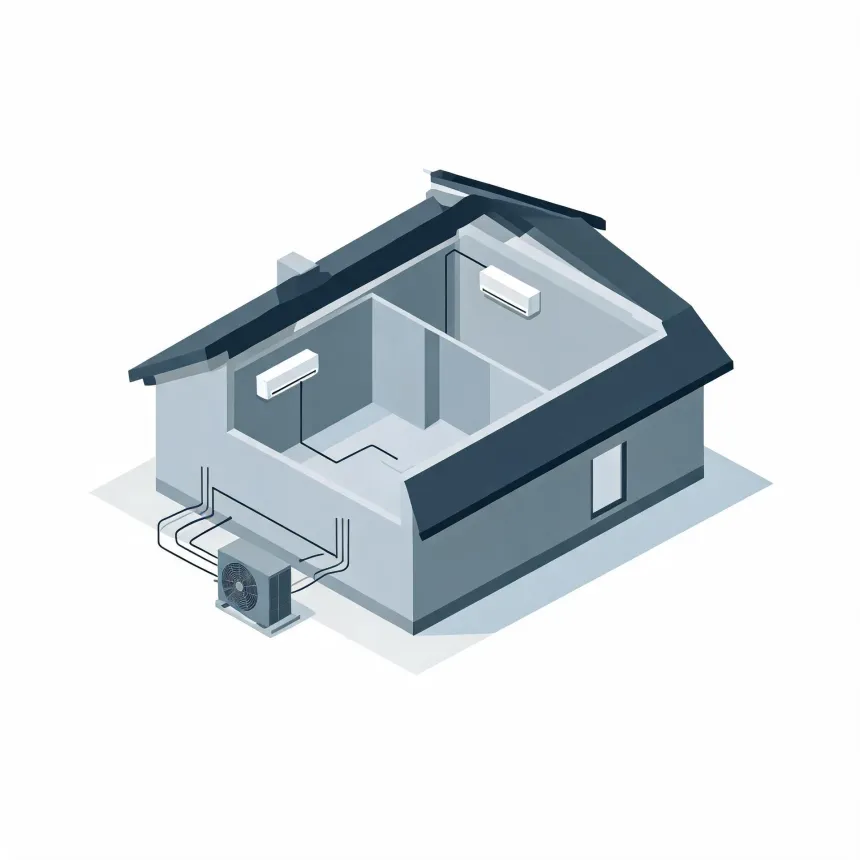
Installation cost is mostly labor, not equipment. The unit itself is a fixed price, but what it takes to get refrigerant line and electrical wire from the outdoor unit to the indoor head changes job to job. A straight shot through an exterior wall is quick. Running line set up through a floor, across an attic, or around framing to reach the right spot takes longer, because every extra foot of line and every added elbow is more labor and more refrigerant. A multi-zone system multiplies that. Each indoor head needs its own line set and its own path back to the outdoor unit, so adding zones adds mounting and running work faster than it adds equipment cost. The electrical side matters too. If the panel has room for a new dedicated circuit, that's a straightforward add. If the panel is full or too old to take another breaker, that's a separate job before the mini split work even starts. None of this shows up on the price tag at the store. It shows up in how long the crew is actually on site.
The efficiency rating on a mini split comes from a test done under fixed conditions, a set indoor and outdoor temperature held steady. Your home won't run under those conditions most of the time. How the installer sizes the unit, where the outdoor unit gets placed, and how well the line set is charged all affect what the system actually uses, more than the number on the label does.
Moving up to a higher-rated mini split costs more at purchase. That money comes back slowly, in smaller amounts taken off the electric bill over time, and only if the system runs enough hours to earn it back. A unit that sits idle most months never gets the chance to pay that difference down.
If you're replacing a furnace or ducted system with a mini split, something has to happen to what's already there. A gas furnace usually gets disconnected and hauled out, along with any gas line running to it, unless you're keeping it for backup during the coldest stretch. Old ductwork can just stay put, sealed off and forgotten in the attic or crawlspace, since there's no harm in leaving it if nobody's paying to rip it out. A window unit or old wall unit comes out entirely, since the mini split replaces that job outright. Whatever gets removed, check that the install includes disposal, because hauling out an old furnace or condenser isn't something every contractor includes in the quote without being asked.
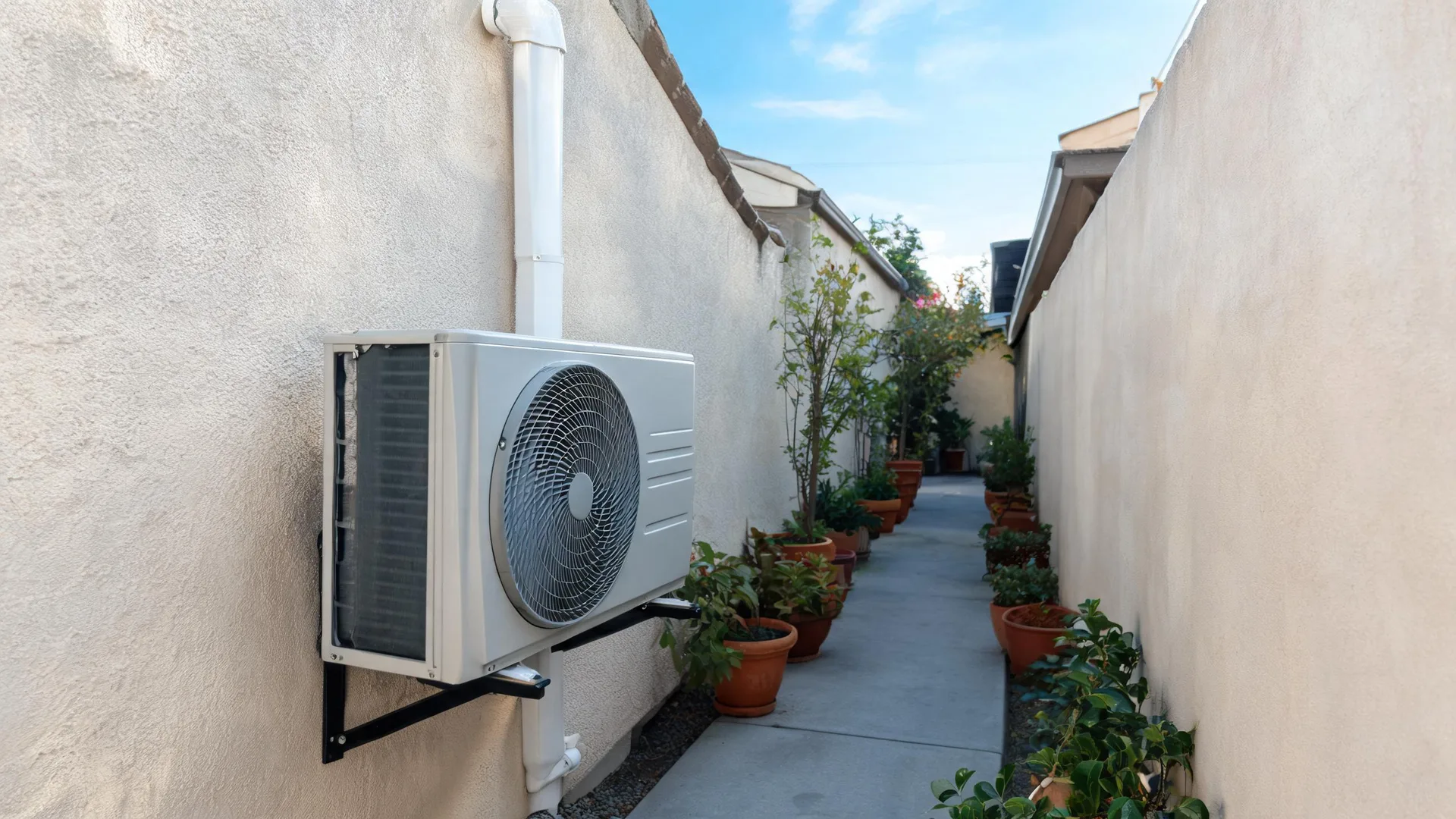
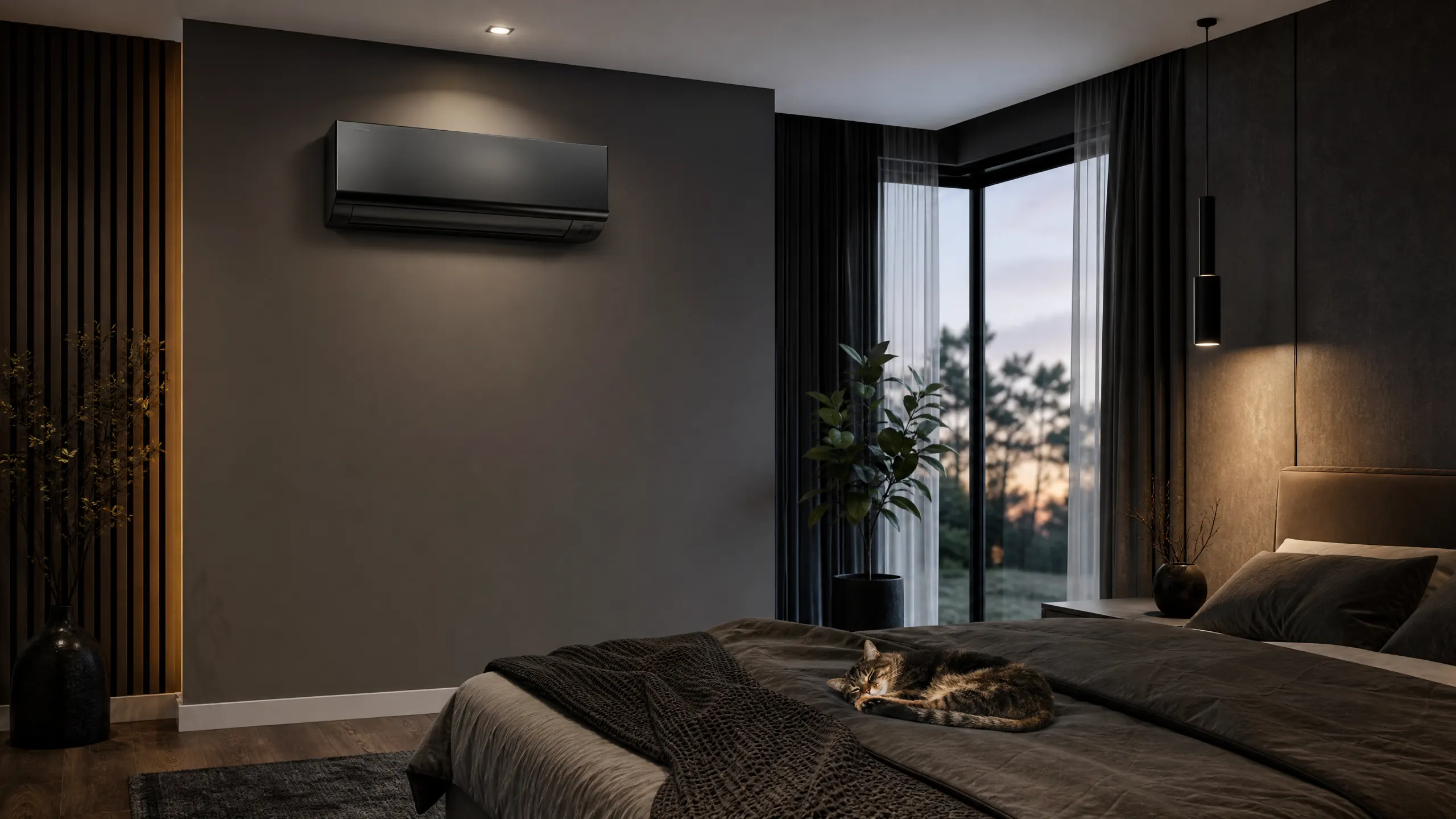
Installation day itself is fairly contained. The outdoor unit gets mounted on a pad or brackets, the indoor head goes up on the wall or ceiling where it was marked out ahead of time, and a line set runs between them through a small hole drilled in the wall. That line set carries refrigerant, so once it's connected, the system gets evacuated with a vacuum pump to pull out air and moisture before any refrigerant is released into it. Skipping that step is the main reason a new mini split underperforms from day one. Electrical work usually means running a dedicated circuit to the outdoor unit, so expect a breaker panel to get opened up. Once everything's connected, the installer checks the charge, runs the system through heating and cooling, and confirms the indoor head is actually doing what the thermostat or remote tells it to do.