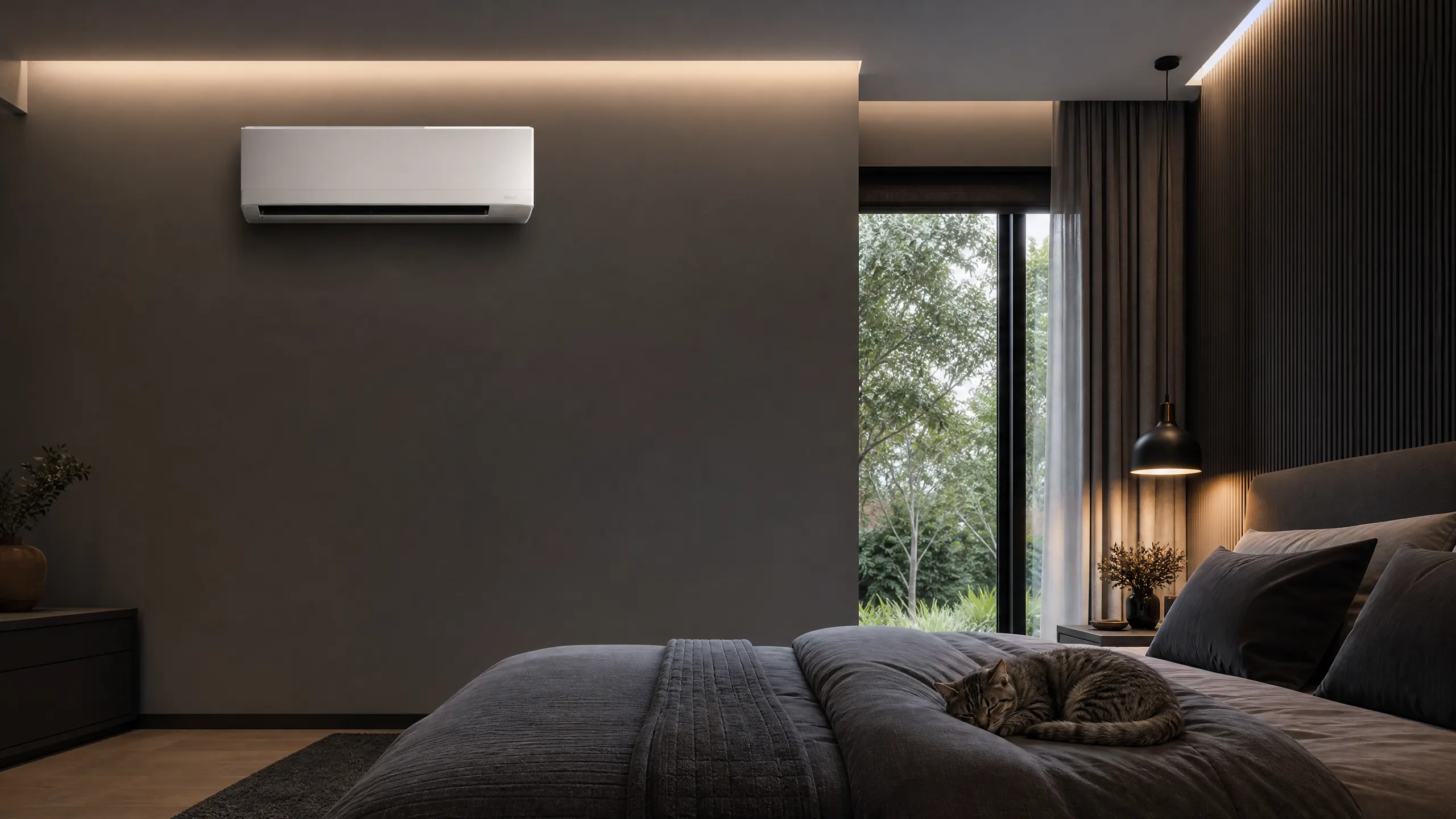




A tabby cat sleeps curled up on a dark grey bed in a modern bedroom equipped with a wall-mounted air conditioning unit.

Mini Split Installation in Mohall, ND

Tell us about the job

Takes about a minute. No obligation.

New system or replacementMini-splitRenville County, ND
Step 1 of 2

What ZIP code is the job in?

Ask what the contractor based the sizing on. A mini split sized off square footage alone can end up too big for the room, and an oversized unit cycles on and off instead of running steady, which leaves the air clammy even when the temperature looks right. Ask how many indoor heads the outdoor unit can carry and whether each one gets its own thermostat control or if they're grouped together. Ask where the line set and drain line will run, since that path affects how clean the install looks and how easy the unit is to service later. And ask about the low ambient rating if you want heat from it in cold weather, because not every outdoor unit keeps producing heat once the temperature drops far enough.

9 months
September through May, your system heats
2 months
July through August, it cools
3°F
the average winter night it heats against
79°F
the average summer afternoon it cools against
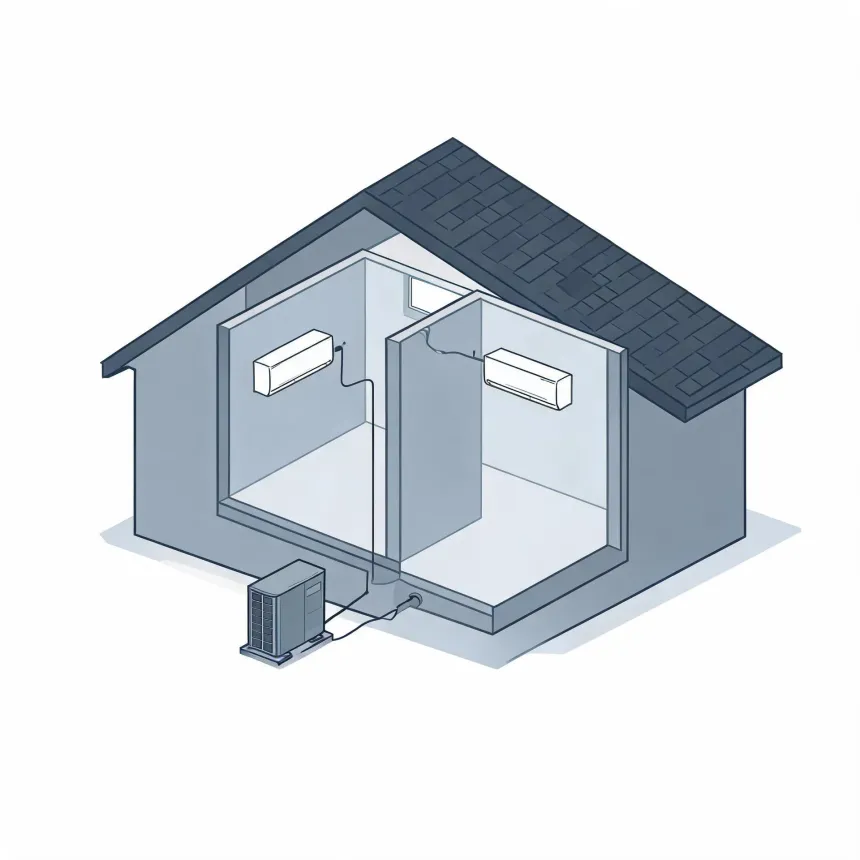
Isometric line illustration of a cutaway house with two rooms, each with a wall-mounted indoor air conditioning unit connected by lines to an outdoor condenser unit on the ground outside.
Your system heats September through May and cools July through August.

NOAA nClimDiv, 1991–2020 normals

Electricity in North Dakota runs 11.51 cents a kilowatt-hour, below what most of the country pays.

A high-SEER mini split still costs more up front, and here it takes longer to earn that back, so pick one for how well it heats and cools your rooms, not just the efficiency number.

Two months of cooling a year, with afternoons around 79°F, is not a hard job for a mini split

Cooling runs July through August
Summer afternoons average 79°F
27 damaging wind events from 2015 to 2024

Half the homes in Renville County were built in 1973 or earlier. A house that age usually has no ductwork built for cooling, which is part of why a mini split gets picked over central air in the first place. But it may also mean smaller rooms, plaster or block walls, and electrical panels that weren't set up for a new circuit. Whoever installs it should look at where the outdoor unit will sit, where the line set can reach, and whether the panel has room for what the system draws. None of that shows up in a square footage number.

Get it in before June

Cooling runs July through August here, so June is the month to get it installed. There's no rush once the heat starts, a mini split handles this cooling load easily, but getting it in before June means it's just running when the first warm day shows up instead of you waiting on a schedule.

Find a contractor
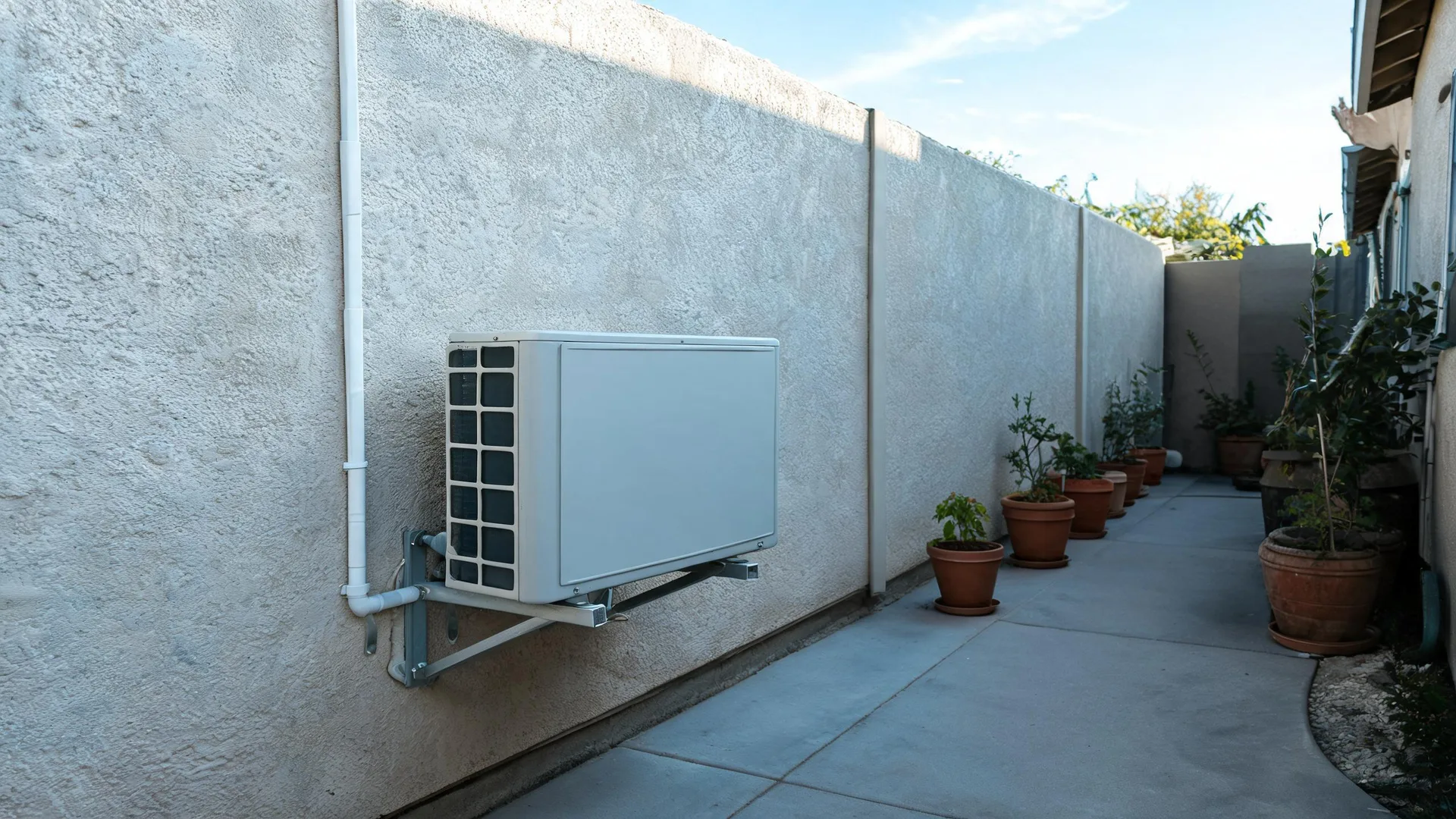
A white mini-split air conditioner outdoor condenser unit mounted on metal brackets against a beige stucco exterior wall, with a blue sky and scattered clouds in the background.

The label tells you efficiency, not fit

The SEER2 number on the label tells you how much cooling a unit produces for the electricity it uses over a season. It doesn't tell you how big a room it can handle or how it will actually perform once it's installed. Line set length, how well the installer charges the refrigerant, and where the indoor head sits all affect what you get out of it, and none of that shows up in the rating. A higher-rated unit also costs more up front. If it only runs a short stretch each year, it has less time to earn that back through lower bills, so weigh the rating against how the unit fits the room rather than treating it as the deciding factor. For heating, look at the HSPF rating instead, since a unit can carry a strong cooling rating and still struggle to produce heat once it's cold outside.

Sizing comes from a load calculation, not a guess

Working out the right size means counting the windows, the exterior walls, and what's on the other side of them to see how much heat a room gains in summer and loses in winter. Rooms with the same floor space can need different size heads if one has more window area or faces a different direction. A contractor who sizes off a chart alone is guessing at something that can be worked out properly.
Oversized hits harder than undersized

A mini split that's too small just runs longer to keep up, which shows up most on the hottest or coldest days. One that's too big cools the room fast and shuts off before it pulls the moisture out of the air, so the room feels clammy even when the thermostat says it's at temperature. Undersized is an inconvenience you notice sometimes. Oversized is a comfort problem you live with every time the system runs.

Installed cost comes down to how much work the job takes beyond the equipment itself. Running the line set through an exterior wall is straightforward if the path is short and clear, but it costs more when the line has to travel farther to reach the outdoor unit or thread around framing. The electrical side matters too, since a new dedicated circuit means running wire back to the panel, and if the panel has no open slots that's its own job before the mini split even goes in. Mounting the outdoor unit takes more work on uneven ground or a wall that needs a bracket than it does on a simple pad. Adding indoor heads on one outdoor unit costs more than a single zone, since each one means another line set run and another spot to mount and level. None of this shows up until someone looks at the actual walls and the actual path, which is why similar homes can end up with different installs.

On install day, the outdoor unit goes up first, usually on a pad or wall bracket set level so the compressor inside doesn't strain. Then comes the line set, the refrigerant lines and wiring run from outdoor unit to indoor head through a hole drilled in the wall. That hole gets sealed afterward so no air or water gets in around it. Once the indoor head is mounted and connected, the installer pulls a vacuum on the line set to clear out moisture and air before refrigerant ever flows through it. Skipping that step is what leads to a system that never performs right, no matter how correctly everything else was done. After that, it's a matter of charging the system, running it, and checking that each head is actually cooling or heating the way it should before anyone calls it finished.