Gas heats most homes here
Utility gas heats 51.7% of homes in Eddy County, with LP gas covering another 21.4%. A mini split does not replace either one. It handles cooling and takes some of the load off the furnace in the milder months.
Takes about a minute. No obligation.
Utility gas heats 51.7% of homes in Eddy County, with LP gas covering another 21.4%. A mini split does not replace either one. It handles cooling and takes some of the load off the furnace in the milder months.
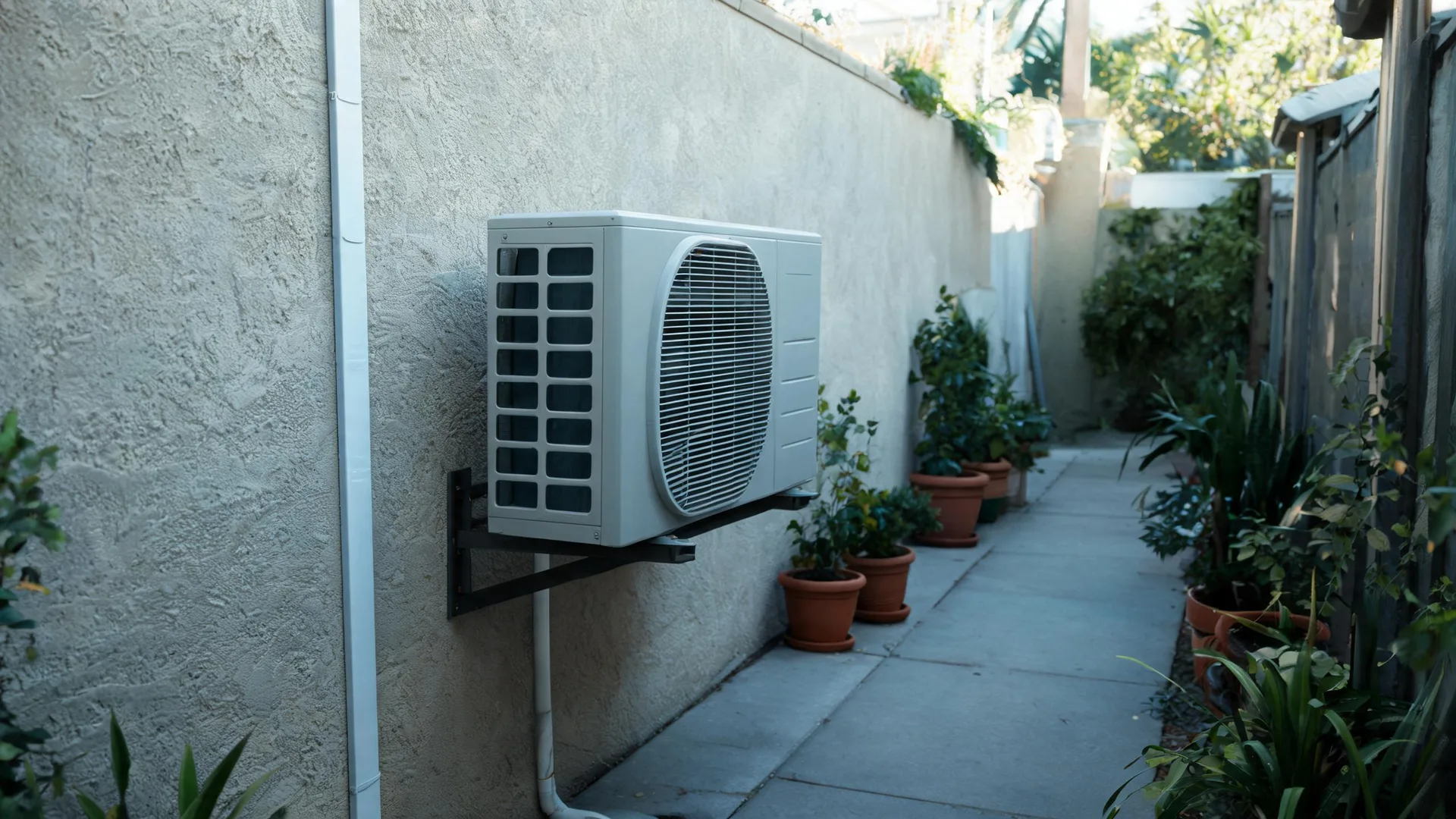
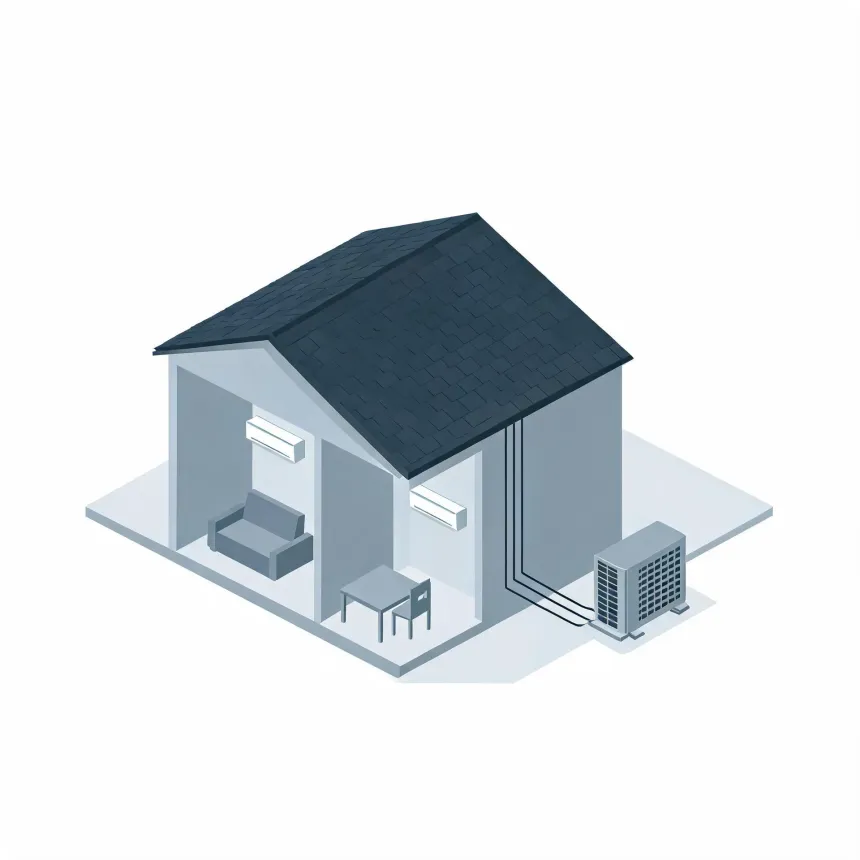
Most houses here already have a gas furnace and ductwork built around it. A mini split goes in alongside that system, with its own indoor and outdoor unit, so there's no need to touch the existing ducts to add cooling or extra heat where it's needed.
NOAA nClimDiv, 1991–2020 normals
Cooling in Eddy County starts in July.
June is the month to put in a mini split, before the first hot day finds a gap in your cooling.



At 11.51 cents a kilowatt-hour, North Dakota power costs less than most of the country pays. That changes what's worth chasing when you pick a mini split. A high-SEER2 model costs more up front, and the extra you'd save on electricity each month is smaller here than it would be somewhere with a higher rate. So the payback on that upgrade stretches out. Put the weight instead on the brand's track record and whether the contractor installing it services that brand locally. A unit that holds up through a North Dakota winter and gets parts and service when it needs them is worth more than a point or two of efficiency you'll barely feel on the bill.
If you're putting in a mini split, the install has to match the house, not a standard size chart. Half the homes in Eddy County were built in 1966 or earlier. An older house can mean more work for the crew running line sets and mounting the outdoor unit, so a contractor should size and place it for the house you actually have.
Find a contractor
Two months of cooling, July and August, with afternoon highs averaging 78°F. A mini split here spends most of the year on standby or handling light duty, not fighting real heat. The compressor isn't working against triple-digit days or months of demand. What shortens a system's life is usually a bad install or years of skipped filter cleanings, not the climate. So a straightforward unit from a brand with local parts and service support will hold up fine. You don't need to pay for the top cooling capacity or the highest efficiency tier to get through a North Dakota summer.
Nothing. A mini split doesn't replace your furnace or touch the ductwork tied to it. The furnace stays right where it is, doing the same job it always did on the coldest days. The mini split just gives you a second way to heat and cool the rooms it serves.
If you're replacing a window air conditioner or an old through-wall unit, that part comes out and gets hauled off, and the refrigerant inside it has to be recovered properly rather than vented. A licensed contractor handles that as part of the job. You're not left holding a dead unit to dispose of on your own.
What drives the cost of a mini split install has less to do with the unit itself than with the work between the indoor and outdoor parts. The line set carries refrigerant between them, and the farther it has to run, or the more walls and framing it has to pass through, the more labor that takes. Where the outdoor unit can sit matters too. It needs clearance for airflow and a path back to the indoor head that doesn't fight the layout of the house. Electrical work adds to it if the panel doesn't already have the right circuit available. And the number of indoor heads changes everything, since each one needs its own line set and its own spot on a wall or ceiling that makes sense for the room. A single-zone system for one room is a different job than a multi-zone setup feeding several.
A mini split install starts with where the lines run, not with unplugging anything. The crew mounts the indoor head on the wall or ceiling, drills through to the outside, and runs the line set, the refrigerant lines, power, and the condensate drain through that hole to the outdoor unit. The outdoor unit gets set on a pad or bracket with room around it for airflow. Once everything's connected, the line gets pulled down to a vacuum to clear out air and moisture before refrigerant is released into the system. That step matters more than people expect, since trapped moisture or air left in the lines can damage the compressor down the road. The crew will also check the charge and test the system in both heating and cooling before they call the job done. There's no ductwork to open up and no furnace to touch, so most of the day goes into running lines cleanly and getting that vacuum and charge right.