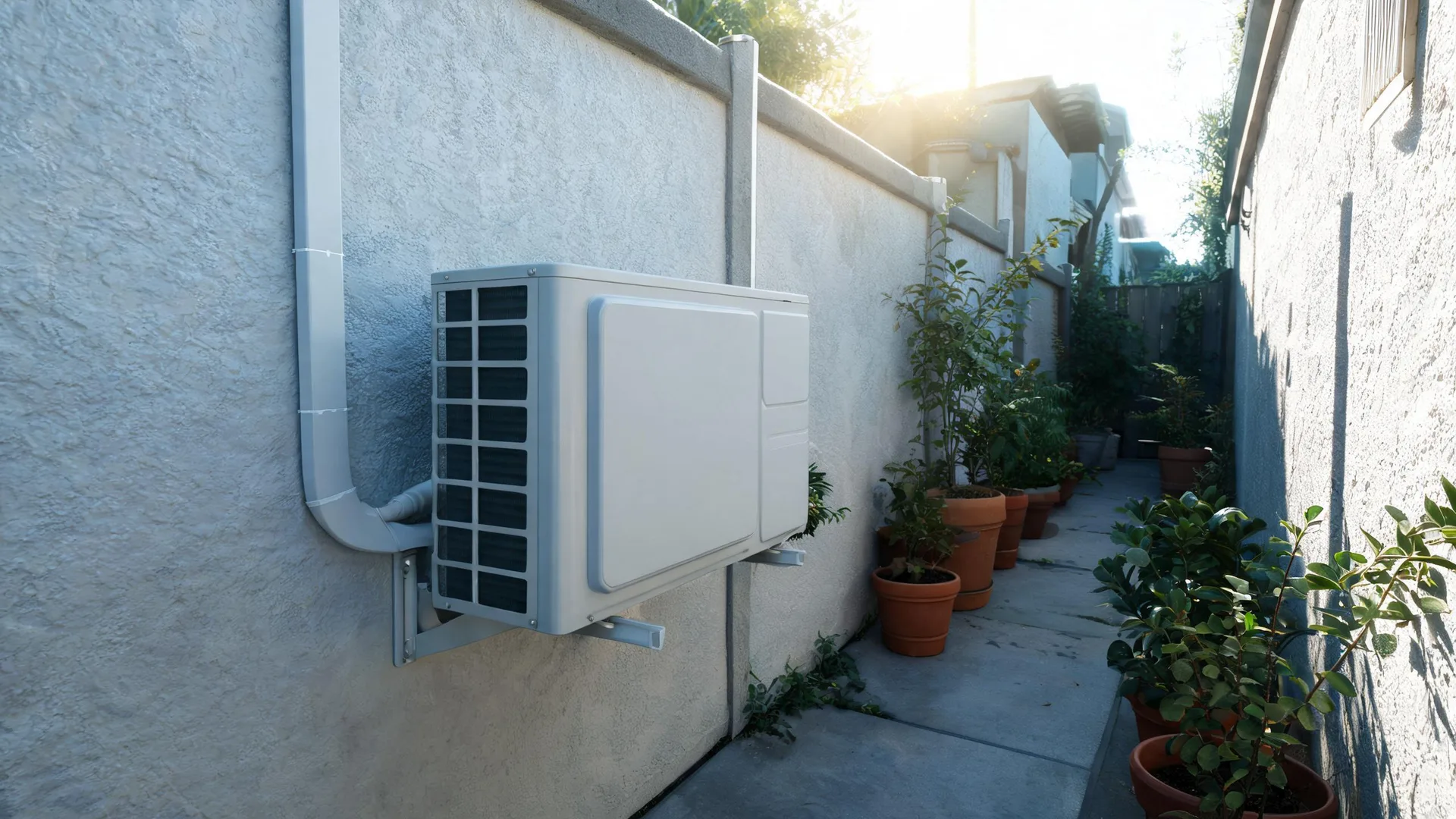
Electric heat is the norm here
Electricity heats 48.9% of homes in Pierce County, more than gas or propane. A mini split fits right into that setup since it runs on electricity too, with no gas line to add or vent to route.

Takes about a minute. No obligation.
Electricity heats 48.9% of homes in Pierce County, more than gas or propane. A mini split fits right into that setup since it runs on electricity too, with no gas line to add or vent to route.
Bottled or LP gas heats 31.4% of homes in the county. If that's your furnace now, a mini split works alongside it, taking over day to day heating and cooling while the furnace stays as backup for the coldest stretches.
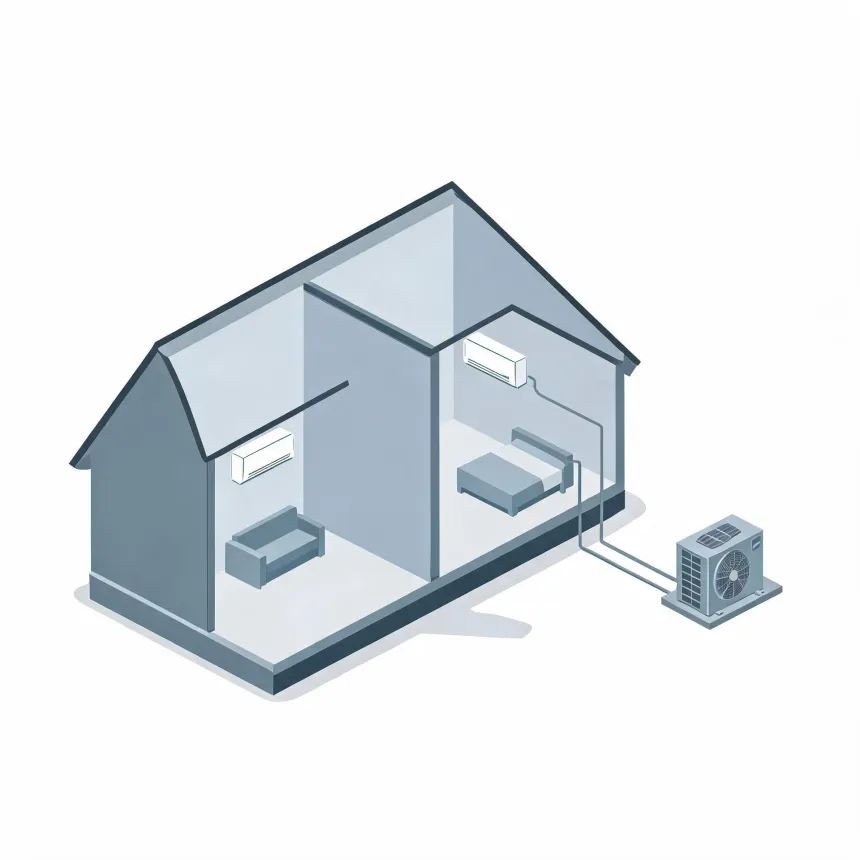
NOAA nClimDiv, 1991–2020 normals
Pierce County only needs cooling from July through August, with afternoons averaging 78°F.
A mini split here isn't working against heat for long, so a dependable mid-range system does the job without paying for top-tier capacity.



If you're set on the most efficient model in the lineup, nothing stops you, but don't pick it for the electric bill alone. At 11.51 cents a kilowatt-hour, the gap between a mid-range system and a high-efficiency one takes a long time to close here. Put that money toward a unit sized correctly for the rooms it's heating instead, and a clean install of the line set. A mini split that's the right size and holds up through a Rugby winter is worth more than a few extra efficiency points on paper.
Electricity in North Dakota ran 11.51 cents per kilowatthour in 2024, cheaper than most of the country. A high-efficiency model still costs more up front, and here it takes longer to earn that back in savings. With heat needed most of the year, what matters more is a system built to hold up through the winter and sized right for this house.
Find a contractor
Half the homes in Pierce County were built in 1972 or earlier. A house that age wasn't necessarily built with the ductwork a central heat pump needs, and some have none at all. That's part of why a mini split makes sense here instead of tearing into walls to add ducts. Whoever installs one has to work with the layout and wiring the house already has, not a blank slate. Whether your system is original to the house or came later is worth checking before you decide what you're replacing it with.
Every indoor head needs its own line set run to the outdoor unit and its own spot on the wall or ceiling. A single-zone system is a straightforward install. Add a second or third zone and you're running more refrigerant line, mounting more indoor units, and sometimes stepping up to a larger outdoor condenser that can support multiple heads at once.
The line set between the outdoor unit and each indoor head has to pass through an exterior wall and get routed to where the indoor unit hangs. A straight shot through one wall is simple. Running line through an attic, down a chase, or across a longer distance to reach the right room takes more time and more material, and that shows up in what the job runs.
Whatever is heating the house now has to come out before the mini split goes in, or get disconnected if it's sticking around as backup. A furnace or boiler coming out means capping the gas line or shutting down the venting that ran to it, work that falls to whoever handles the install. Electric baseboard gets pulled from the wall and the circuit either gets reused or capped off. If the old system included a fuel tank, that has to be dealt with separately, since it isn't something an install crew typically hauls away. None of this is optional groundwork. The old equipment has to be fully out of the way, or properly isolated, before the new lines and wiring go in.
On install day, the outdoor unit goes in first, set on a pad or brackets fixed to the wall, leveled so the compressor inside doesn't strain against a tilt. Then comes the hole through the exterior wall for the line set, drilled at a slight angle so the outside end sits a touch lower and any condensation drains out instead of back in. The indoor head mounts to a wall plate, the lines and wiring feed through to it, and the whole line set gets connected at both ends and checked for leaks before anything gets charged. Once the lines are sound, the system gets evacuated with a vacuum pump to pull out moisture and air, because either one left in the line will cut into how well the refrigerant moves heat. Only after that does the refrigerant get released to charge the system. The last step is running it, checking that the head blows cold or hot as it should, and confirming the drain line is actually carrying condensate where it's supposed to go.