Most furnaces here run on gas
Utility gas heats 63.6% of homes in Burleigh County, more than electricity and LP combined. A gas furnace is what most installers here work on week in and week out.
Takes about a minute. No obligation.
Utility gas heats 63.6% of homes in Burleigh County, more than electricity and LP combined. A gas furnace is what most installers here work on week in and week out.
If your home has a gas furnace, the new AC coil gets matched to that furnace's blower and ductwork rather than replacing anything on the gas side. The furnace stays, the cooling gets added to it.

NOAA nClimDiv, 1991–2020 normals
AC here only has to work July and August, with afternoon highs around 80°F.
A system that runs two months a year doesn't need the top efficiency tier to earn its keep.




Burleigh County is zone 6A, a cold climate with winters that run long. Any split-system air conditioner put in here, under 45,000 Btu/h, has to meet 13.4 SEER2 at minimum if it's a newer unit. That floor is federal, not something specific to this county, so it's not an upgrade a contractor here is offering you. It does mean they can't sell you something built to an older, lower standard. Ask what SEER2 rating the unit carries before it goes in.
With power this cheap, paying extra for a higher SEER2 rating takes longer to earn back here than in most places. Put the money into the install itself. A coil matched to your furnace's blower, sized and set up right for the two months a year it runs, matters more than the number on the sticker.
Find a contractorJuly and August are the only months this system has to work, with afternoon highs around 80°F. That's a short, mild load compared to what the furnace handles the rest of the year. A unit with a mid-tier SEER2 rating isn't going to wear out from that kind of duty. What shortens an AC's life here is more likely to be age, a dirty filter, or a coil that never got matched right to the furnace's blower. Put the attention into the installation, not the sticker.
A load calculation looks at square footage, windows, insulation and duct layout to find the right tonnage for the house. An installer who skips this and just matches the old unit's size can hand you a system that short cycles or never quite keeps up. Ask whether they're running the calculation or guessing from what's already there.
The new coil only moves air as well as the ducts let it. If a contractor quotes a system without looking at duct size, leaks or airflow restrictions, that quote is incomplete. Ask whether they're inspecting the ducts as part of the estimate or assuming they're fine.
Estimates for a typical Burleigh County home, from EIA household energy data, North Dakota fuel prices and NOAA climate normals. Your home will differ.
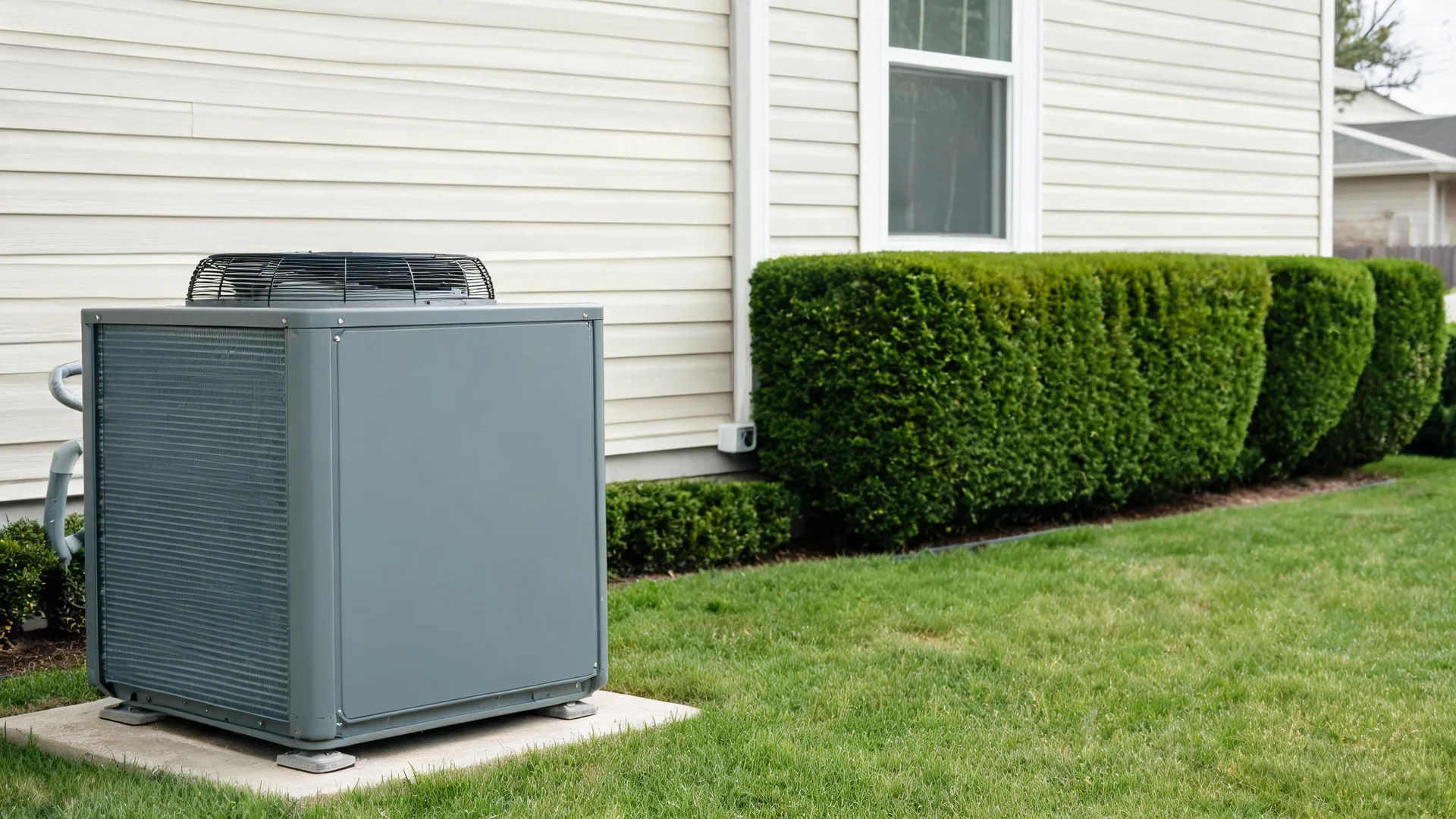
Installation day starts with the old equipment coming out, not the new one going in. The outdoor unit gets disconnected, the old coil comes out of the plenum above the furnace, and the line set gets cut loose. Once the new coil is set and matched to the furnace's blower, the line set gets run to the outdoor unit, and that line gets pulled down to a vacuum before any refrigerant goes in. Skip that step and moisture sits in the line, and moisture in a sealed refrigerant system turns into corrosion that shows up as a leak down the road. The new unit gets charged to the manufacturer's spec for that line set, checked with gauges rather than guessed at. Before anyone leaves, the system should run through a full cycle while someone checks the temperature at the vents and listens for anything that shouldn't be there.