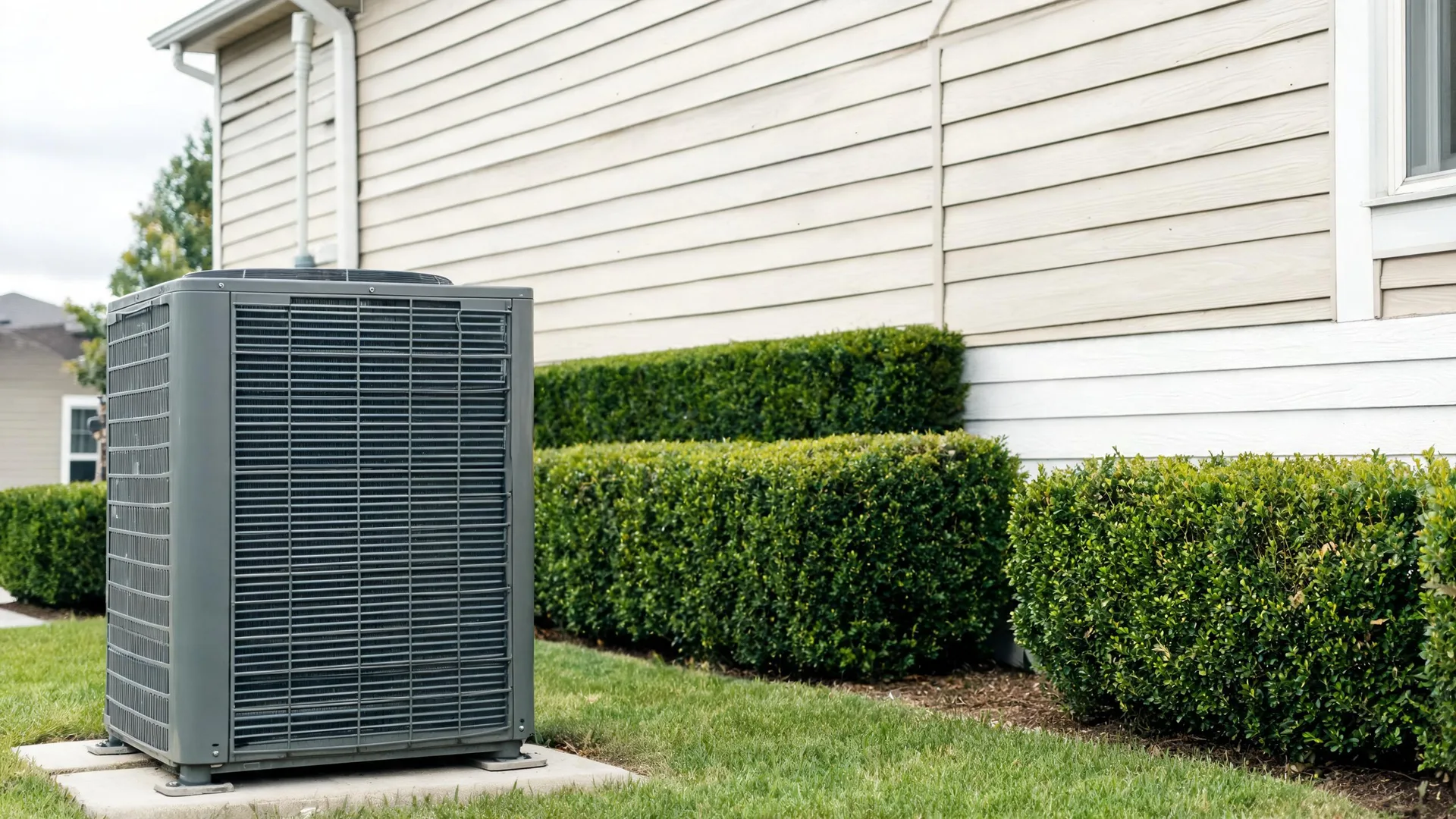
Most homes here run on propane
Propane heats 56.1% of occupied homes in Grant County, more than electricity, gas or fuel oil combined. A new AC here almost always pairs with an existing propane furnace rather than replacing it.
Takes about a minute. No obligation.
Propane heats 56.1% of occupied homes in Grant County, more than electricity, gas or fuel oil combined. A new AC here almost always pairs with an existing propane furnace rather than replacing it.
Central air doesn't touch the propane side of things. The job is matching a condenser and coil to your ductwork and your home's size, separate from whatever heats the place in winter.

NOAA nClimDiv, 1991–2020 normals
Two months of real cooling load a year, July and August, with afternoon highs averaging 81°F.
A system here doesn't need to be the top-tier model to hold up. Reliable and correctly sized matters more than squeezing out the last point of efficiency.




Cooling here only runs July and August, so June is the month to get a new system in. Wait until the first hot week and you're scheduling around whatever the contractor already has booked, maybe running an old unit on its last legs in the meantime. Get it done in June and the install happens on a mild day, with time to test it before you actually need it. Sizing the condenser and coil to your ductwork takes some care, and that's easier to do right without a heat wave pushing the schedule.
It won't be worked hard here, so pick a reliable system that fits. You don't need the top efficiency model.
Find a contractorHalf the homes in Grant County were built in 1962 or earlier. A house that age usually has ductwork sized for whatever system came with it, not for a condenser picked off a spec sheet today. The install has to work with the trunk lines and returns already in the walls. That's a sizing question for whoever comes out to look at the place, not something to guess at ahead of time.
The SEER2 number is a seasonal average, not a top speed. It compares how much cooling a system delivers against the power it draws over a whole season of starting, stopping and running at partial load. A higher number means less power for the same cooling, nothing more. It doesn't tell you if the system is sized right for your ductwork, and a well-matched system beats a mismatched high-efficiency one every time.
A high SEER2 unit only earns back the difference in power draw by running a lot of hours. A system that sits idle most of the year never gets the chance to make up the gap. Correct sizing and a clean, well-sealed duct run affect your power bill as much as the number on the label, and neither of those shows up on the spec sheet.
Estimates for a typical Grant County home, from EIA household energy data, North Dakota fuel prices and NOAA climate normals. Your home will differ.
The old system comes out first, and whoever's doing the work should recover the refrigerant rather than just vent it to the air. The line set gets a look too, since reusing old lines on a new system is where trouble sometimes starts. The new coil goes in above the furnace, and the condenser sits outside on a level pad, not wherever's convenient. Once the lines are run and connected, they get pressure tested for leaks before any refrigerant goes in. After it's charged, the system should run through a full cycle while airflow and temperature at the vents get checked against what the equipment is supposed to deliver. Skip that last step and the first problems show up on the first hot day, not on install day when they're easier to fix.