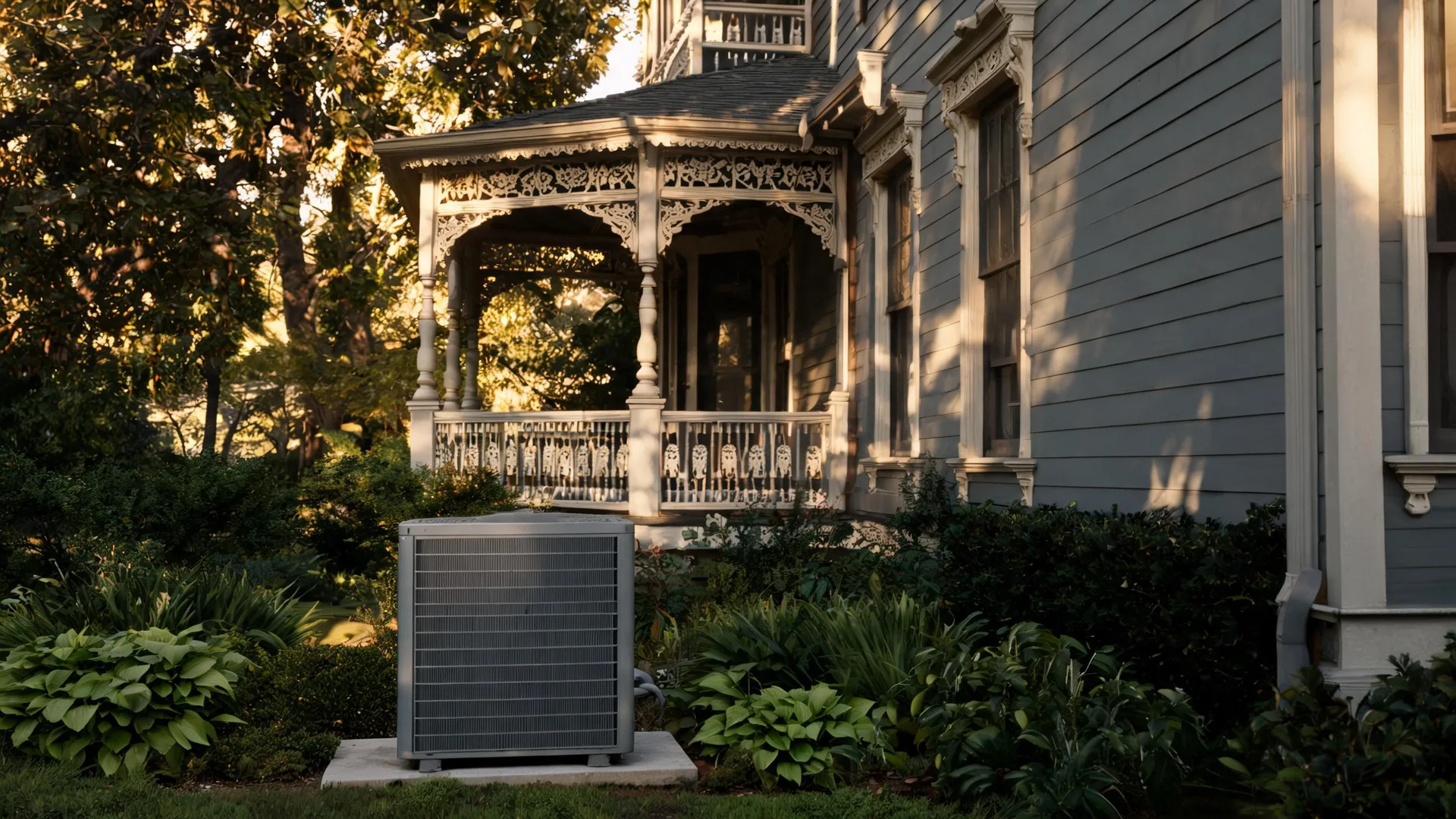
Electric heat is the norm here
Just under half of Cass County homes heat with electricity, and another 42.9% use utility gas. If your furnace or heat pump runs on one of those, matching your new AC to it is the straightforward path.
Takes about a minute. No obligation.
Just under half of Cass County homes heat with electricity, and another 42.9% use utility gas. If your furnace or heat pump runs on one of those, matching your new AC to it is the straightforward path.
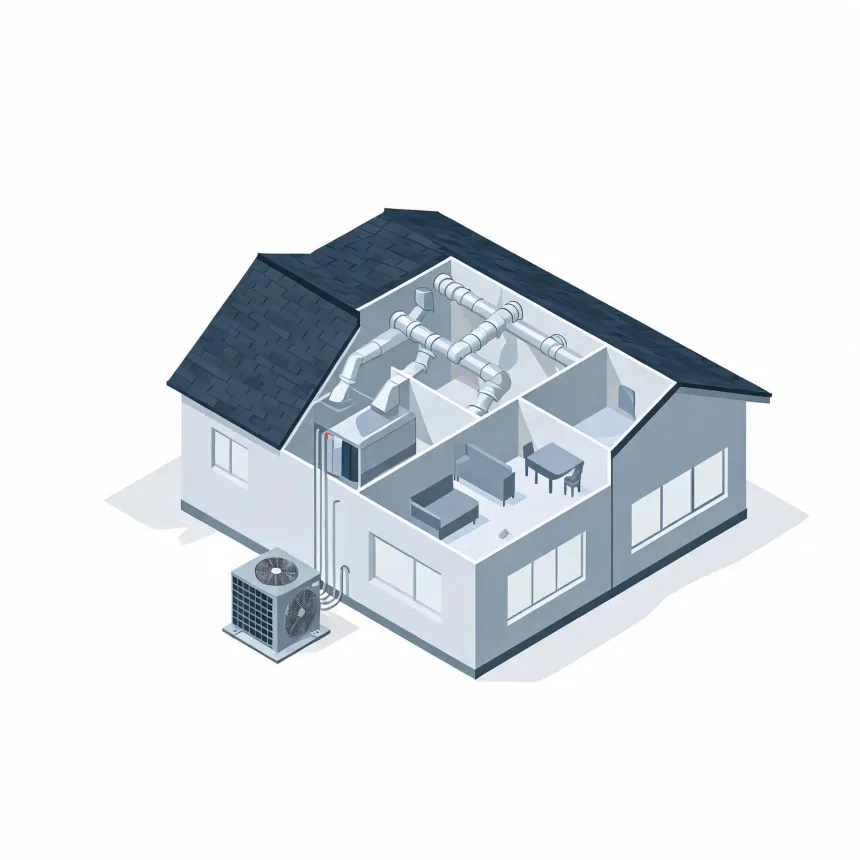
A central AC system pairs with whatever moves the air, a gas furnace or an electric air handler. Whichever one you have sets what your installer needs to work with when sizing the new unit.
NOAA nClimDiv, 1991–2020 normals
Electricity in North Dakota runs 11.51 cents a kilowatt-hour, below what most of the country pays.
A top-tier SEER2 unit costs more upfront here, and the lower power rate stretches out the years it takes to earn that back.




Cass County sits in zone 6A, the cold end of the national energy code, with winters that run long and summers that get humid. That rating doesn't set what you're allowed to buy, but it's the reason the rule exists. Any split-system central AC under 45,000 Btu/h built new has to meet 13.4 SEER2 at minimum, no matter where it goes in. That's a floor, not a target. Every unit on the market here already clears it. What changes from one install to the next is how far above that floor you go, and whether your house and your budget call for more.
Cooling starts in June and runs through August. May is the last clear month to put in a new system before it has to work. Get it installed before then and it's done on your own timeline, not while the house is already warm.
Find a contractor
A spec sheet only tells you so much. Ask what the compressor is rated for and whether it runs at a single speed or varies its output, since a variable-speed compressor spends more of its time running gently instead of switching on and off hard. Ask what the warranty covers on parts versus labor, and whether it follows the unit or the original owner. Ask how the installer is sizing the system, a load calculation based on your house, not just a swap for whatever tonnage is already sitting there. A system sized bigger than your house needs will short-cycle, cooling the air fast without pulling the humidity down, so the house feels clammy even with the thermostat satisfied. Ask what refrigerant the unit uses, since older types are being phased out and parts for them get harder to find. And ask what happens to the existing ductwork and line set, because a new condenser matched to old, leaky duct runs won't perform the way the spec sheet promises.
A new condenser has to work with the coil, the line set and the ductwork already in the house. If the coil doesn't match the new condenser, or the line set is the wrong length or diameter for it, the system won't hit the output the spec sheet promises. Matching parts correctly takes more labor than dropping in a unit and connecting what's there.
Before a price means anything, someone has to work out how much cooling the house actually needs, room by room. That calculation looks at window area, ceiling height, and how the house is laid out, not just its square footage. A system sized off that math costs different than one sized by guesswork, and it's the only way to know if a bigger, pricier unit is actually buying you anything.
Estimates for a typical Cass County home, from EIA household energy data, North Dakota fuel prices and NOAA climate normals. Your home will differ.
Install day starts outside, not in the living room. The crew sets the new condenser on its pad, runs or reuses the line set, and connects it to the coil sitting above the furnace or air handler. That refrigerant line gets brazed, then pressure tested, because a joint that leaks slowly will keep the system from cooling properly for years before it ever fails outright. The lines get evacuated to pull moisture and air out before refrigerant goes in, since either one left behind ruins the charge. Once it's charged, the real work is checking it against the manufacturer's numbers for that line length and the conditions outside that day, not just running it and feeling for cold air. The thermostat and any new wiring get tested last, after the refrigerant side is already proven out.