A large mown lawn bordered by a chain-link fence on the left, with a row of two-story light-colored houses in the background and overhanging tree branches framing the top of the frame under an overcast sky.

AC Installation in Grafton, ND

Tell us about the job

Takes about a minute. No obligation.

New system or replacementCentral ACWalsh County, ND
Step 1 of 2

What ZIP code is the job in?

Gas furnaces are the common pairing here

Utility gas heats 40.4% of homes in Walsh County, more than any other fuel. Electricity comes next at 31.3%, with LP gas and fuel oil heating the rest. A central AC system here is usually matched to a gas furnace, sharing the same ductwork and blower.


Your furnace sets what the AC needs

If your home heats with gas, the new AC has to work with that furnace's blower and the existing ducts rather than replace them. Ask what size and coil match what you already have, since a mismatched pairing can leave the system short on airflow.

2 months
July through August, your air conditioner is on duty
78°F
the average summer afternoon it cools against
49 hail events
in ten years, and hail bends the fins on outdoor coils
13.4 SEER2
the federal minimum any new unit must meet
Isometric line illustration of a cutaway single-story building showing interior rooms, ceiling ductwork and an air handler, connected by lines to an outdoor condenser unit beside the exterior wall.
Your air conditioner works hardest from July through August.

NOAA nClimDiv, 1991–2020 normals

Half the homes in Walsh County were built in 1971 or earlier.

A system going into a house that old has to work with the ductwork already there, not the other way around.

Two months of cooling, but June is when to put it in

Cooling runs July through August
Climate zone 7
Power costs 11.51 cents a kWh statewide

Walsh County sees a lot of rough weather, 231 severe weather events between 2015 and 2024, with winter storms making up most of that count and wind and hail showing up often too. None of that changes what size or efficiency AC fits this house. The equipment is built to sit outside and take wind and hail year round. What matters more is where the condenser goes and how it is installed, since a unit set in a bad spot is what gets damaged, not a unit that is too small.

Pick the AC that fits your home, not just the rating on the box

Electricity in Grafton runs 11.51 cents a kilowatt-hour, cheaper than most places pay. That makes the highest-efficiency unit a slower payback here. A system sized right for your ductwork and installed well will serve you longer than one picked for its efficiency rating alone.

Find a contractor
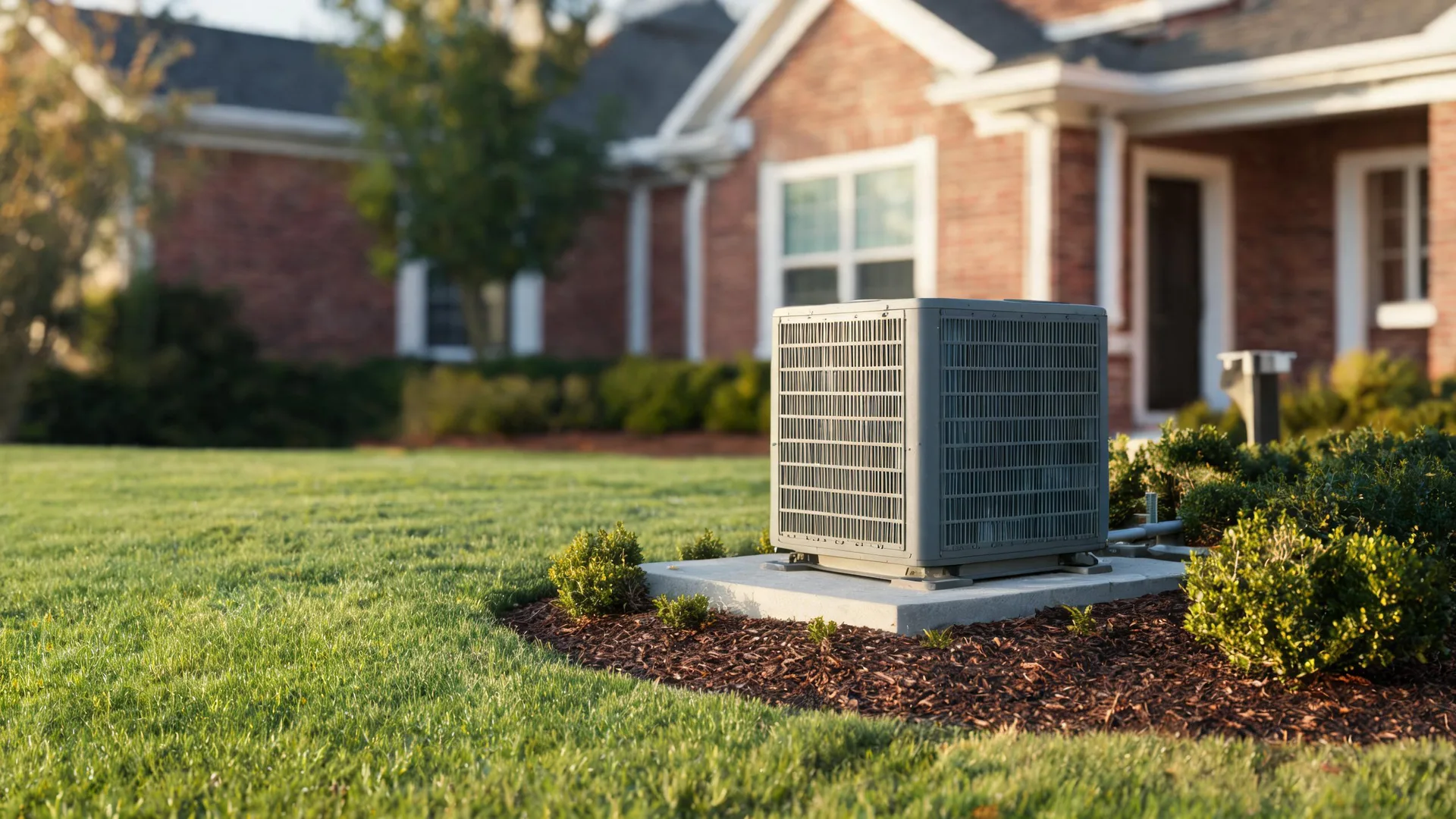
A gray cylindrical air conditioning condenser unit mounted on a concrete pad next to a light-colored vinyl-sided house exterior.

Two months of work a year

July and August are the only months this system has to work, and the afternoons it works through average 78 degrees. That's a short season against a mild target. A unit sized to your ductwork will cool this house without strain in that stretch, which means there's little reason to pay more for the top efficiency tier. What wears a system out here is more likely to be age or a missed filter change than the two months of running it does every year.

The condenser size is the starting point

A contractor figures the tonnage from your home's square footage, window placement, and ductwork, then prices the unit that matches. Going a size up doesn't cool better, it cycles on and off faster and costs more to install and run. The right size, not the biggest size, is what keeps the price sane.

The ductwork decides how much labor this takes

If the existing ducts are sealed well and sized right for the new unit, installation is mostly swapping equipment. If they're leaky, undersized, or were never meant to carry the airflow a new coil needs, modifying or replacing sections of duct adds real labor on top of the equipment cost. That's usually the biggest swing in an install quote, more than the brand or the unit itself.

An overhead view of a residential air conditioning condenser unit mounted on a concrete pad next to a house with vinyl siding.

Going above the federal minimum saves little here, about $10 a year.

  • A higher-efficiency unit$70 a year
  • A new unit at the federal minimum, 13.4 SEER2$80 a year

Estimates for a typical Walsh County home, from EIA household energy data, North Dakota fuel prices and NOAA climate normals. Your home will differ.

Installation day starts outside. The contractor sets the new condenser on its pad and runs the refrigerant lines to the indoor coil, tying into the existing ductwork if it's staying put. The old refrigerant gets recovered, never vented, and the lines get flushed or replaced if they're not rated for the new system. Inside, the coil goes in above or beside the furnace and gets matched to that blower so air moves through it the way it's supposed to. The system then gets charged with refrigerant to the exact weight the manufacturer specifies, not just until it feels cold. Before anyone calls it done, there's a startup check on airflow across the coil, pressures on both sides of the line, and how the thermostat is talking to the system.