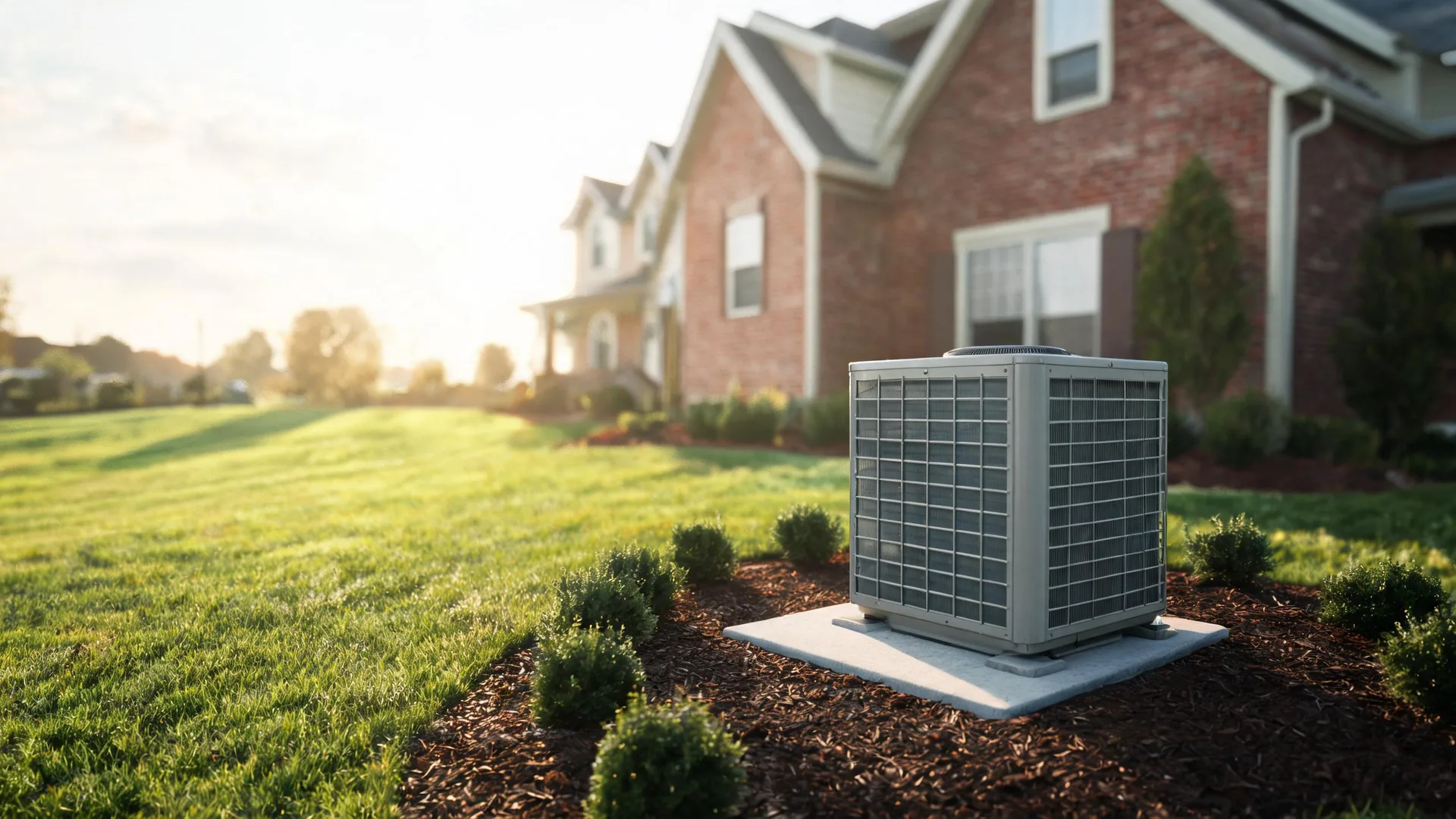
Electric heat is the norm here
Just over half of homes in LaMoure County heat with electricity, more than any other fuel. A central air system pairs easily with that setup, since both run on the same electrical service.
Takes about a minute. No obligation.
Just over half of homes in LaMoure County heat with electricity, more than any other fuel. A central air system pairs easily with that setup, since both run on the same electrical service.
About a third of homes here heat with bottled or LP gas, with fuel oil heating most of the rest. Either way, adding AC means tying new equipment into whatever furnace or air handler already moves the air, so a contractor will want to see what's there before pricing the job.
NOAA nClimDiv, 1991–2020 normals
Electricity in North Dakota runs 11.51 cents a kilowatt-hour, below what most of the country pays.
A top-tier SEER2 unit costs more up front and takes longer to earn that back here, so a reliable mid-range system is worth a look.



Cooling here only runs from July through August. That's a short season, which is exactly why installation timing matters. Get a new system in during June and it's running fine before the first hot week hits. Wait until July to start calling contractors and you're asking for a fast decision during the two months you actually need the thing working. A June install also means a contractor has time to look at the existing ductwork or air handler and size the new unit to the house, rather than rushing a fit.
Two months of real cooling a year, July and August, with afternoons around 79°F, is not a hard stretch for a system to handle. The bigger question is whether the unit outside can take the wind and hail this county sees, not whether it can keep up with the heat. A mid-range system sized right for the house will hold up fine on both counts.
Find a contractor
A system installed now gets sized to the house as it sits today, not to whatever load calculation was done when it was built. If your ductwork or air handler is original to the house, a contractor will want to look at it directly rather than size off age alone. That's the point of having someone come look before pricing the job.
A contractor pulling out the old unit will typically haul it away as part of the job. The refrigerant inside has to be recovered first, not vented, so ask how that's handled before the work starts.
A straight swap means the old condenser and coil keep running right up until install day, so there's no gap in cooling. If the new unit needs a different pad, line set, or disconnect, a contractor will plan for that ahead of time instead of discovering it mid-job.
Estimates for a typical LaMoure County home, from EIA household energy data, North Dakota fuel prices and NOAA climate normals. Your home will differ.
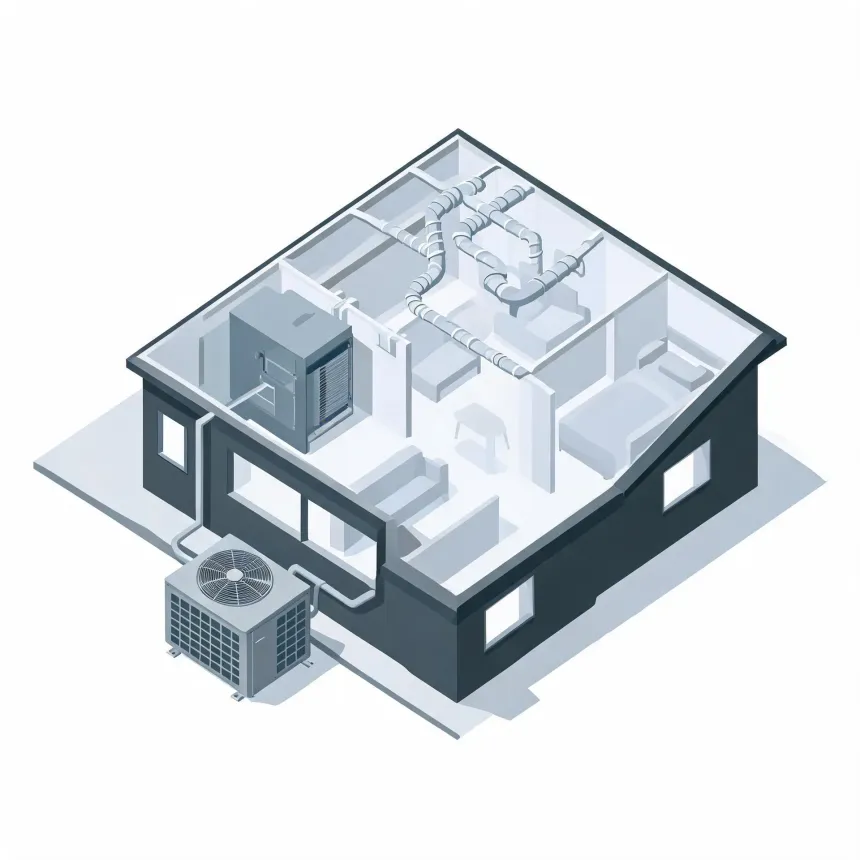
A typical install starts with the refrigerant lines, not the unit itself. A contractor runs new line set or checks the old one for the right size and a clean flare at each end, because a bad connection there is where a charge leaks out slowly over the first year. Setting the outdoor unit comes next, leveled on its pad so the compressor inside isn't straining at an angle. Indoors, the coil goes in above or beside the furnace, and that's where the system gets tied into the existing ductwork. Once everything's connected, the lines get pulled down to a vacuum before any refrigerant goes in, which clears out moisture and air that would otherwise damage the compressor. Only after that does the system get charged, started up, and checked against the manufacturer's numbers for pressure and airflow.