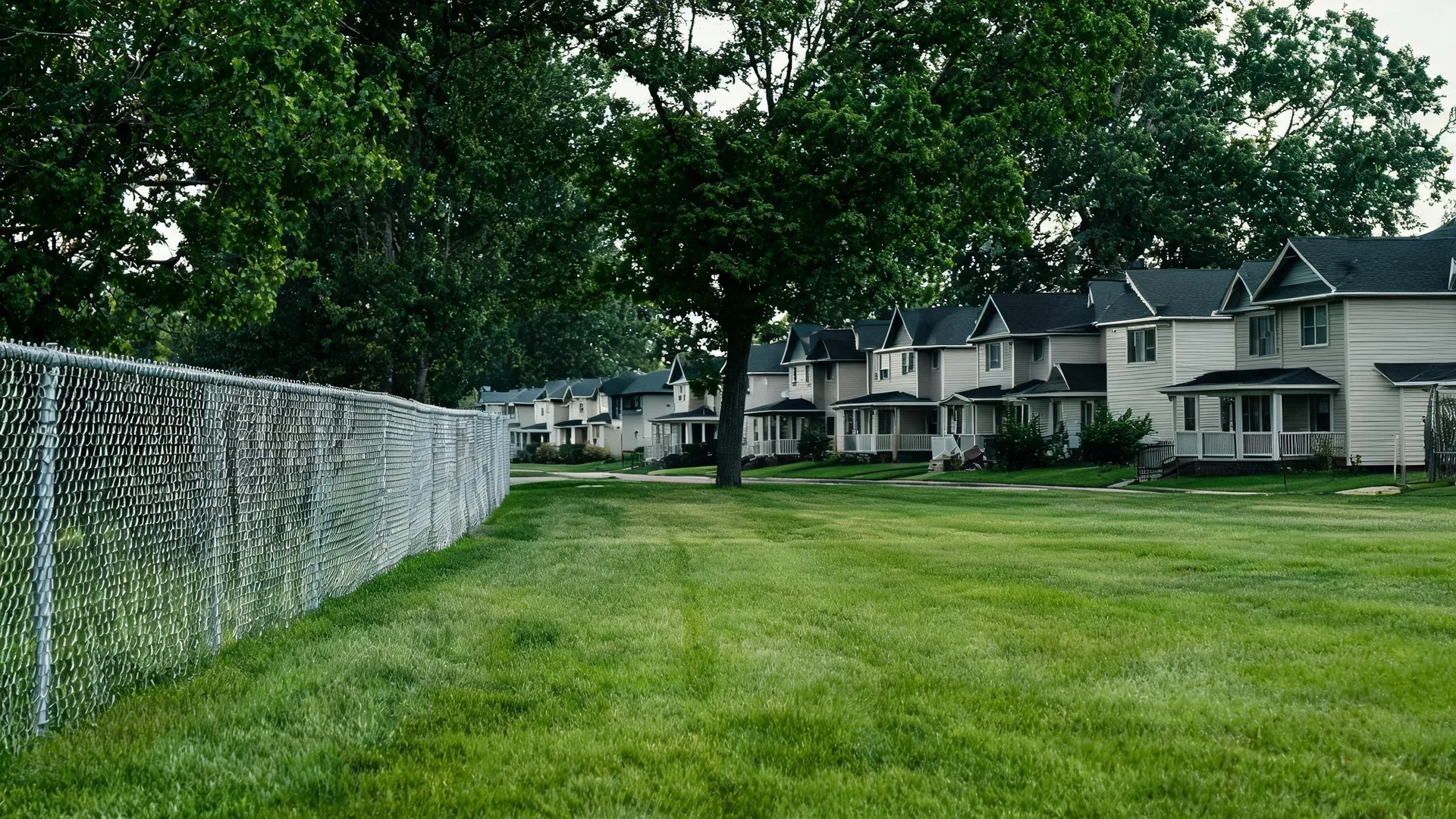
A mowed grass lawn bordered on the left by a chain-link fence, with a row of two-story light-colored houses with gabled roofs and porches beyond large leafy trees.

AC Installation in Napoleon, ND

Tell us about the job

Takes about a minute. No obligation.

New system or replacementCentral ACLogan County, ND
Step 1 of 2

What ZIP code is the job in?

The size has to match the house

An AC sized wrong costs more whether it's too big or too small. Oversized units cool the air fast and shut off before they pull the moisture out, so the house feels damp and clammy. Undersized units run constantly and still can't keep up on the hottest days. Getting the size right means someone measures the square footage, checks the windows and insulation, and sizes the equipment to the house instead of guessing.


What's already there changes the job

If the ductwork, the electrical panel, and the line set are already in place and sized right, a swap is straightforward. If the old ductwork is too small for the new unit, or the panel can't handle the load, or the refrigerant lines don't match the new system, that work has to happen first. None of that shows up until someone opens things up and looks.

2 months
July through August, your air conditioner is on duty
79°F
the average summer afternoon it cools against
38 hail events
in ten years, and hail bends the fins on outdoor coils
13.4 SEER2
the federal minimum any new unit must meet
Isometric cutaway illustration of a small house showing interior rooms with furniture, an indoor air handler with ducts in the attic space, and refrigerant lines running to an outdoor condenser unit on a pad.
Your air conditioner works hardest from July through August.

NOAA nClimDiv, 1991–2020 normals

Electricity in North Dakota ran 11.51 cents per kilowatthour in 2024, well below the national average.

A high-efficiency AC costs more up front and takes longer to earn that back here, so pick the unit that fits the house and holds up, not just the one with the highest rating.

Napoleon only asks two months of cooling from a system, so get it installed before July

Cooling runs July through August
Climate zone 6A
Power costs 11.51 cents a kWh statewide
Houses here are older than mostHalf the homes in Logan County were built in 1967 or earlier

Logan County is zone 6A, a cold climate with winters that last most of the year. Any new split-system air conditioner installed here has to meet at least 13.4 SEER2, the federal minimum for units built from 2023 on. That floor applies no matter who installs it, so it's not something a contractor can quote around. It narrows the lineup of equipment that's legal to put in, which is worth knowing before you start comparing units and prices.

Pick reliable, not top of the line

It won't be worked hard here, so pick a reliable system that fits. You don't need the top efficiency model.

Find a contractor
A person in a dark shirt, tan work pants and boots climbs porch steps toward a red door, carrying a worn canvas tool bag beside a potted shrub.
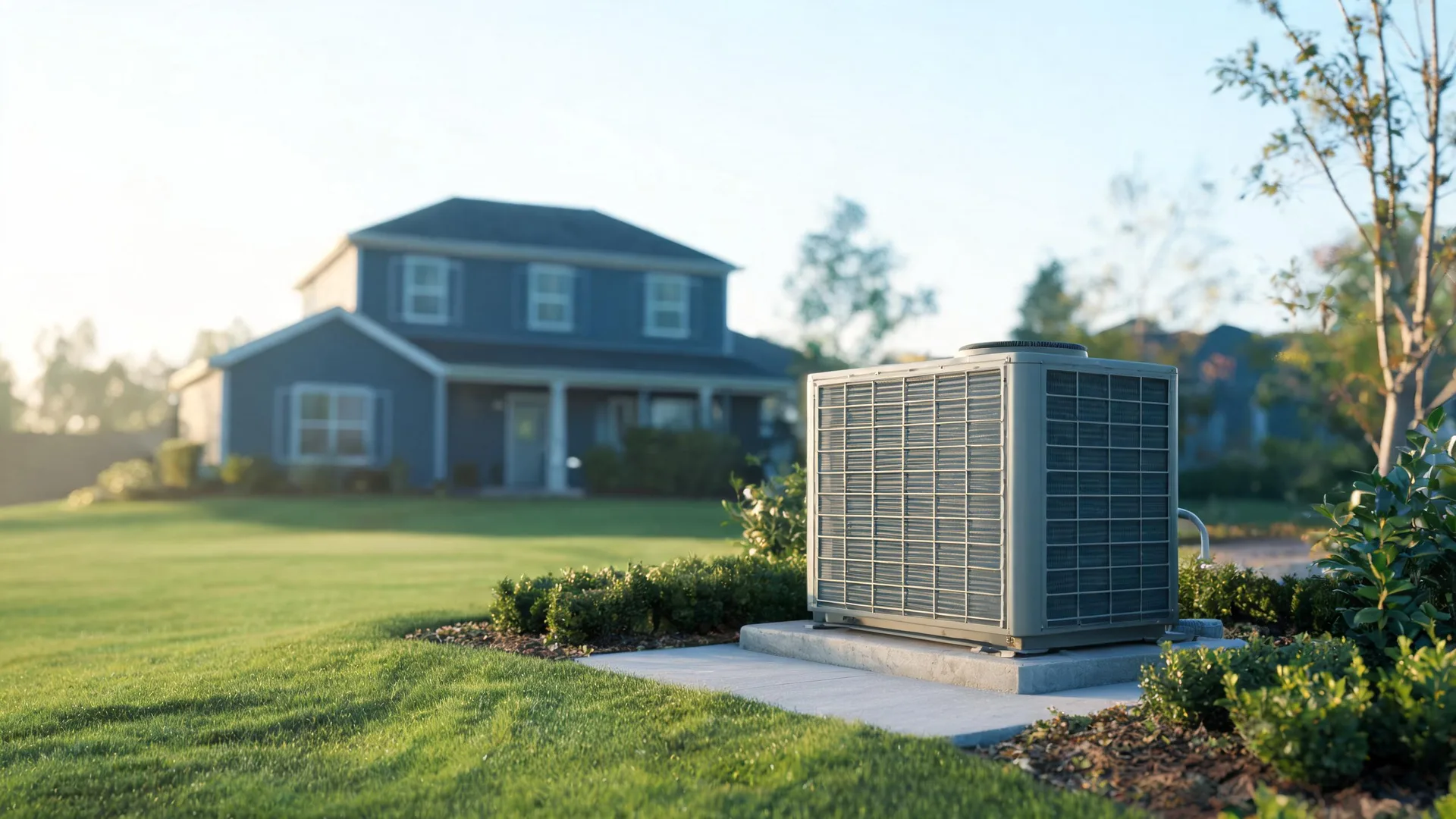
A gray residential air conditioning condenser unit mounted on a concrete pad outdoors, surrounded by green grass under a partly cloudy blue sky.

Match the install to the house, not the catalog

If your house dates to 1967 or earlier, the new unit has to work with what's already run through the walls and ceiling, not a clean slate. That means the line set, the ductwork, and the breaker it plugs into. Whoever installs it should check those before the job starts, not after.

Ask what the quote is actually for

A quote should name the equipment by model and size, not just a brand and a price. Ask what SEER2 rating it carries, what the tonnage is, and whether that number came from a load calculation or a guess based on the old unit. Ask too whether the price includes permits, a new disconnect, or a pad, because those get added later if they're left out now.

Ask who stands behind it after install

Equipment comes with a manufacturer's warranty, but labor is separate and set by whoever installs it. Ask how long the labor warranty runs and what it covers if the unit fails in the first year. Ask what happens if the ductwork or electrical turns out to need work once the old system comes out. A contractor who has already looked at those things can answer that before the job starts, not after.

Aerial view of a gray outdoor air conditioning condenser unit mounted on a concrete pad next to a house with vinyl siding.

Going above the federal minimum saves little here, about $10 a year.

  • A higher-efficiency unit$70 a year
  • A new unit at the federal minimum, 13.4 SEER2$80 a year

Estimates for a typical Logan County home, from EIA household energy data, North Dakota fuel prices and NOAA climate normals. Your home will differ.

Install day starts with the old unit coming out, not the new one going in. The refrigerant gets recovered, then the old lines and pad get disconnected. That's when whoever's doing the work gets a real look at what the walls and ductwork hold, not what the quote assumed. Setting the new unit is usually the fastest part. What takes the time is connecting it right. The line set gets flared and leak-tested. The electrical gets tied into the breaker. The condensate drain gets run and sloped so it actually drains. Once it's running, a tech checks the refrigerant charge and the airflow across the coil. A unit that's low on charge or starved for air will wear out early no matter how good it is on paper. The last step is standing there while it runs a full cycle, listening for anything that shouldn't be there.