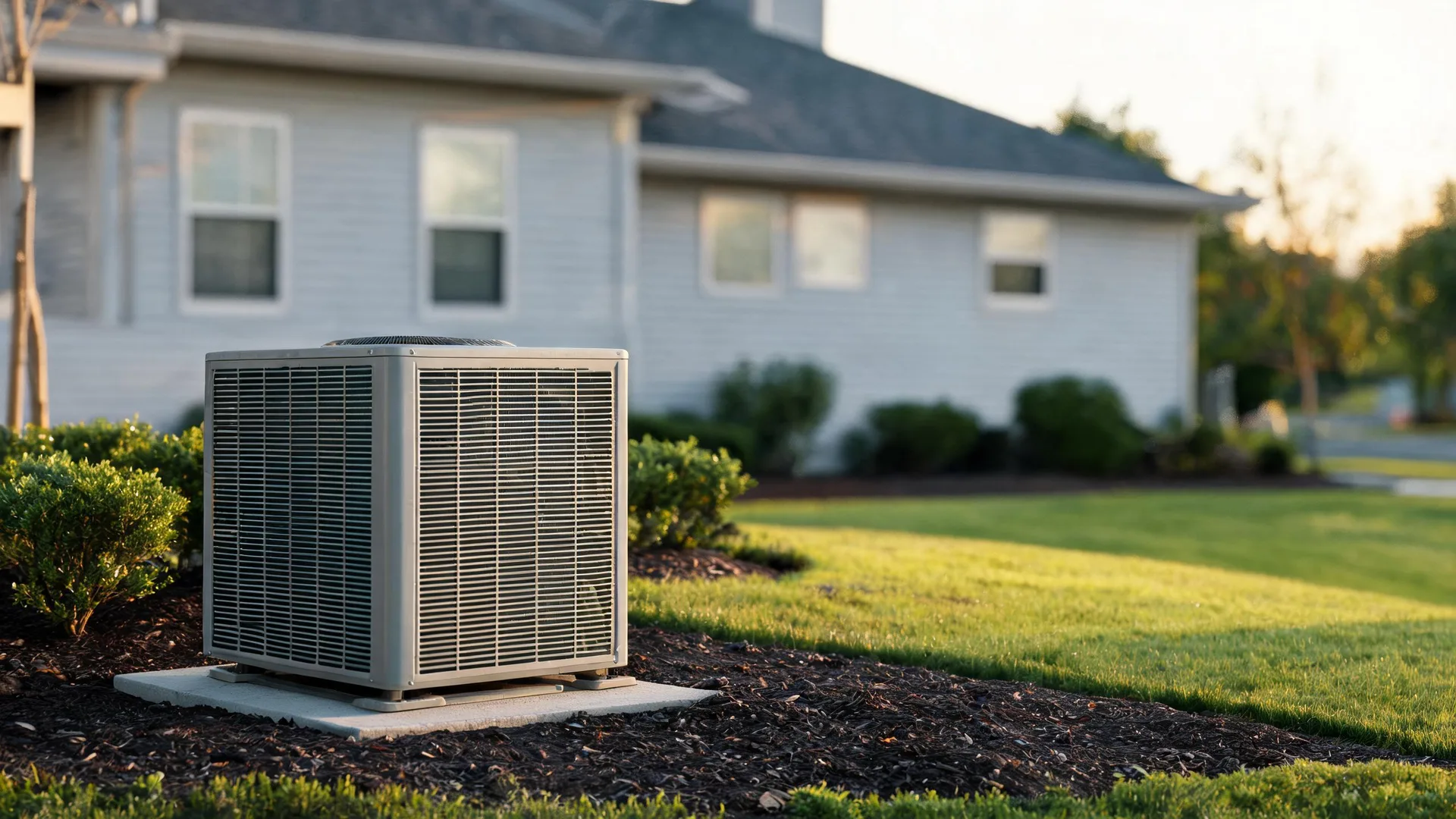
Electric heat is the norm here
Electricity heats 47.9% of homes in Burke County, more than gas or propane. If your furnace or heat pump is electric, a new AC or a heat pump swap matches equipment your electrician and your panel already expect.
Takes about a minute. No obligation.
Electricity heats 47.9% of homes in Burke County, more than gas or propane. If your furnace or heat pump is electric, a new AC or a heat pump swap matches equipment your electrician and your panel already expect.
A contractor sizing your AC will want to know what's heating your house now, electric, propane, or gas, since that affects what's already run to the unit and what a heat pump option would need. Propane still heats about a third of homes here, so don't assume electric without checking your own setup.
NOAA nClimDiv, 1991–2020 normals
Cooling here runs July through August.
Get your AC installed before June ends, so it's ready to go on day one instead of catching you mid-heat wave.




Once the new system is running, the old condenser usually comes out the same day, since the installer needs that space to set the new unit and connect the lines. The refrigerant inside gets recovered into a tank, not vented, that part is regulated and any licensed installer has the equipment for it. After that the unit is mostly steel, copper and aluminum, so it goes to a scrap yard rather than a landfill. If the furnace or air handler is being swapped too, that comes out the same way. The old line set sometimes gets reused and sometimes doesn't, depending on its condition and whether it matches what the new system needs, so ask your installer which way they're going before the work starts.
Burke County falls under zone 7, the coldest tier in the energy code. Any split-system air conditioner under 45,000 Btu/h installed new has to meet a federal minimum of 13.4 SEER2. That floor narrows what a contractor can install and sets the baseline for the unit on your quote.
Find a contractorIf your ducts are original to a house that old, that's what an installer needs to check before they hand you a number, not just the square footage. A load calculation that skips the ductwork and goes off a chart can land you a system too big for what those ducts can move, and an oversized AC short cycles instead of running steady. Ask whoever quotes you whether they're measuring the duct sizing and return air or just sizing off the floor plan.
An outdoor condenser is matched to an indoor coil by the manufacturer, and installing one without the other means replacing both now instead of later. A mismatched pair can run, but it won't hit the efficiency or the cooling it's rated for. Some manufacturers won't warranty the parts if they're split.
If the new condenser needs a different refrigerant or a different line size than what's already run to the pad, that copper gets replaced, not reused. The same goes for the disconnect and breaker at the panel. A straight swap of like-for-like equipment usually skips both. A change in tonnage or system type usually doesn't.
Estimates for a typical Burke County home, from EIA household energy data, North Dakota fuel prices and NOAA climate normals. Your home will differ.
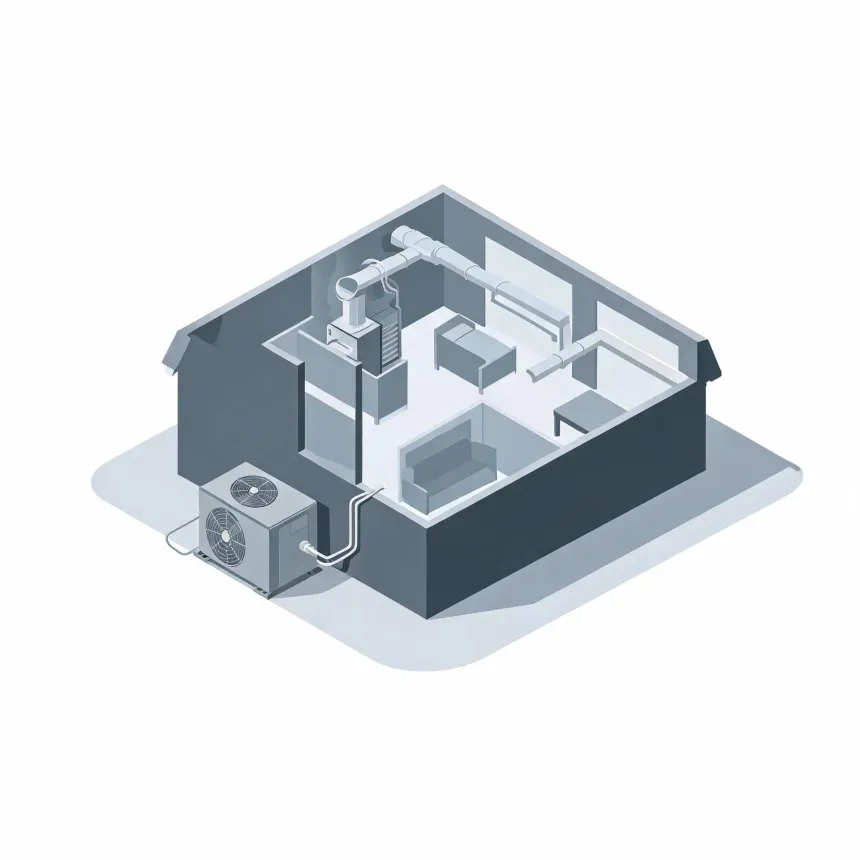
Installation starts with disconnecting and draining down the old system before anything new goes in. The crew sets the outdoor condenser on the pad and the indoor coil in the plenum, then runs and brazes the line set between them. That joint gets pressure tested before any refrigerant goes in, since a leak under test is a leak you'd otherwise find later. Once the lines hold, the system gets evacuated to pull out moisture and air, then charged to the weight the manufacturer specifies for that line length. The electrical hookup and disconnect get tied in last, and the installer runs the system through a cooling cycle, checking airflow at the vents and the temperature split between the return and supply air before calling it finished.