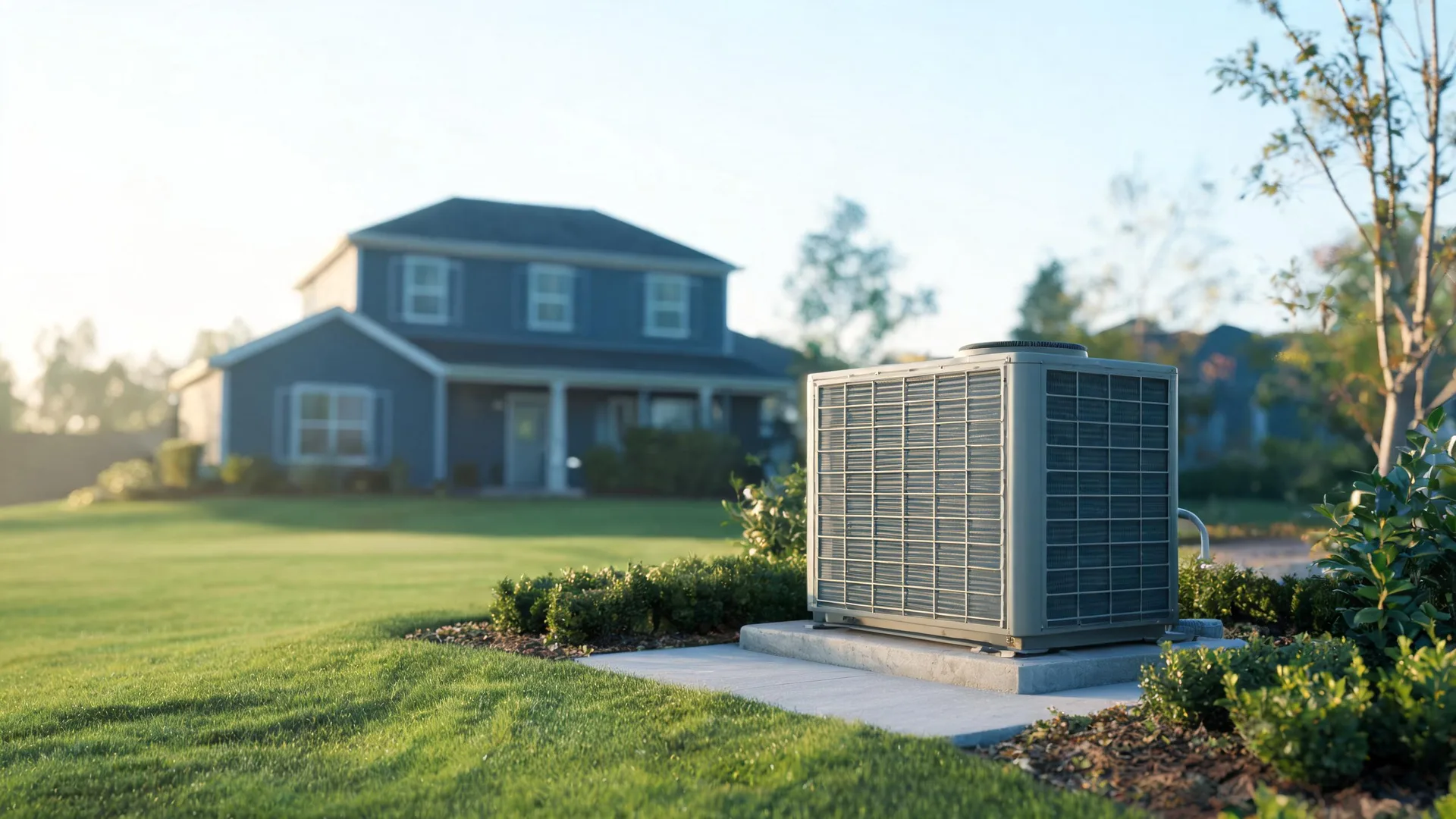
Electric heat is the norm here
Just under half of Pierce County homes, 48.9%, heat with electricity. Only 8.1% use utility gas. If your furnace or heat pump came with the house, there's a good chance it runs on electricity too.
Takes about a minute. No obligation.
Just under half of Pierce County homes, 48.9%, heat with electricity. Only 8.1% use utility gas. If your furnace or heat pump came with the house, there's a good chance it runs on electricity too.
A lot of homes already have the electrical setup an air conditioner needs, since the heating system draws from the same panel. That can make adding or replacing AC more straightforward than in a place built around gas heat.
NOAA nClimDiv, 1991–2020 normals
AC in Pierce County only has to run July through August.
June is the month to put in a new system, before the first hot week puts it to the test.



Pierce County is zone 7, rated a very cold climate where heating runs most of the year. That doesn't change what's required on the cooling side. Any split-system central AC under 45,000 Btu/h built new has to meet a federal minimum of 13.4 SEER2. That floor applies here the same as anywhere else, short summer or not. Whatever gets installed has to clear that number before it runs at all.
A new AC has to work with the house it's going into, not a hypothetical one. In Pierce County, half the homes were built in 1972 or earlier. An install in a house that age means sizing and placement get checked against what's actually there, not assumed from a newer floor plan.
Find a contractor
Ask whether the sizing came from a load calculation or from square footage alone. A load calculation looks at insulation, window area, ceiling height and which way the house faces before it lands on a number. Square footage alone skips all of that, and it tends to put in a system too big for the house. An oversized AC cools the air fast without running long enough to pull the humidity down, so the house feels clammy even at the right temperature on the thermostat. Ask how the ductwork is being handled too, not just the unit. A system sized right for the house but choked by undersized or leaky ducts still won't move the air it's rated for. And ask what happens to the old line set and the pad underneath the outdoor unit. A line set that doesn't match the new refrigerant, or a pad that's heaved and settled over the years, causes trouble long after the install crew leaves.
The crew disconnects the old outdoor unit, recovers the refrigerant from the line set, and pulls the unit off its pad before anything new goes in. If the pad underneath is cracked or has settled unevenly, it gets replaced or releveled now, since a new unit set on bad ground will shift over time.
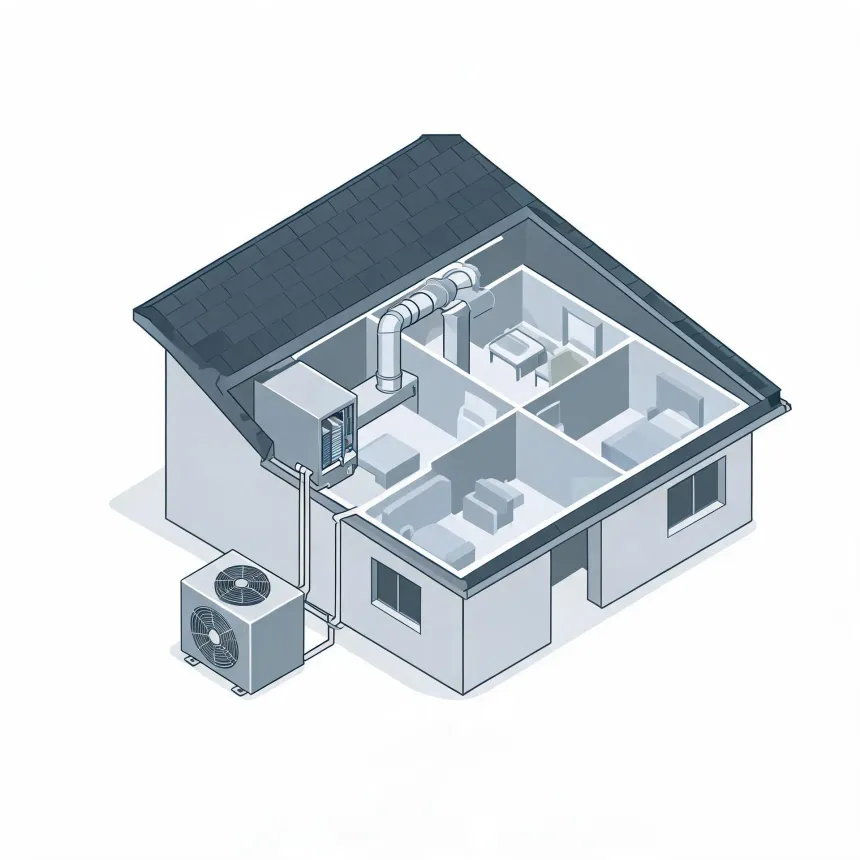
Setting the new outdoor unit is quick. Most of the day goes into the indoor coil, the line set connections, and checking the ductwork can actually handle the airflow the new system is rated for. The system gets charged with refrigerant to the manufacturer's spec and run through a cycle before the crew calls it done.
Estimates for a typical Pierce County home, from EIA household energy data, North Dakota fuel prices and NOAA climate normals. Your home will differ.
Sizing an AC comes down to how much heat actually gets into the house on a hot afternoon, through the walls, the windows, the roof, from the people and appliances inside it. A load calculation works that out room by room. Skip it and guess from square footage instead, and the mistake almost always runs the same direction. Too big, not too small. A unit that's too big cools the house down fast and shuts off before it's had time to pull the moisture out of the air. The thermostat reads fine and the house still feels damp. The right size runs longer and steadier, and takes the humidity down along with the heat.