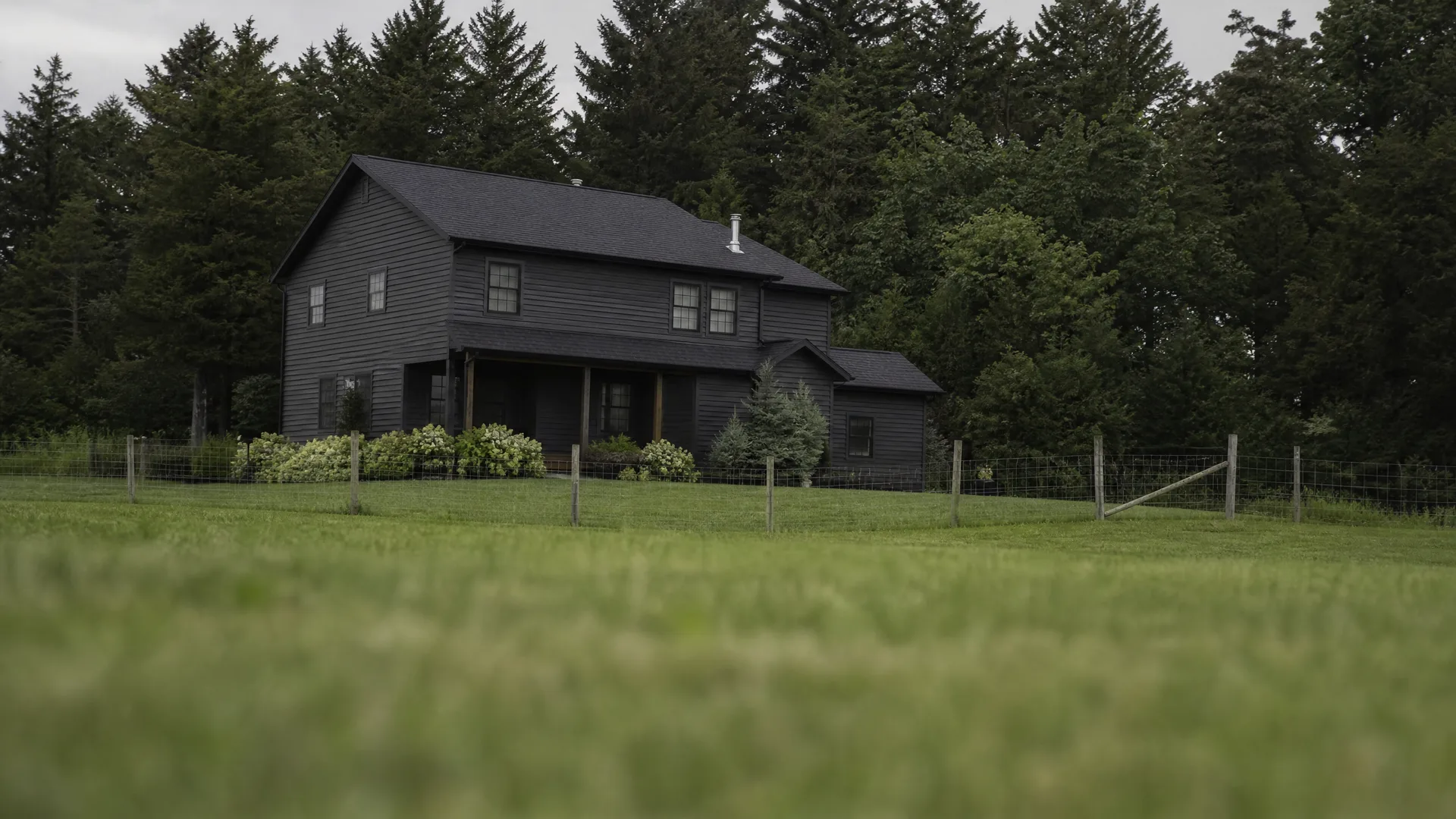






A dark-painted two-story house with a covered porch and metal roof stands behind a wire fence and shrubs, backed by tall evergreen trees, with a blurred grassy field in the foreground under an overcast sky.

AC Installation in Velva, ND

Tell us about the job

Takes about a minute. No obligation.

New system or replacementCentral ACMcHenry County, ND
Step 1 of 2

What ZIP code is the job in?

Half the homes in McHenry County were built in 1966 or earlier. A house that age wasn't necessarily built with central air in mind, so the install may need to account for where the ductwork runs or whether it's there at all. That's not a mark against the house. It just means the new system has to be sized and fitted to what's actually there, not to a generic floor plan. Whoever installs it should look at your actual ducts and walls before settling on equipment, not just the square footage.

2 months
July through August, your air conditioner is on duty
79°F
the average summer afternoon it cools against
50 hail events
in ten years, and hail bends the fins on outdoor coils
13.4 SEER2
the federal minimum any new unit must meet
Isometric line illustration of a cutaway house showing interior rooms, ceiling ductwork connected to an indoor air handler, and an outdoor condenser unit linked by refrigerant lines.
Your air conditioner works hardest from July through August.

NOAA nClimDiv, 1991–2020 normals

AC in Velva runs about two months a year, July and August.

Get the new system in before June and installers aren't working around a heat wave or your schedule.

At 11.51 cents a kWh, the payback on the priciest, most efficient unit is slow here

Power costs 11.51 cents a kWh statewide
Climate zone 7
Cooling runs July through August

With electricity at 11.51 cents a kWh here, spend the upgrade budget on the install, not the efficiency tier. A unit matched to your ducts and your square footage will run reliably for years. A top-tier SEER2 model bought to save on power takes a long time to earn back its extra cost at this rate. Ask the installer to size the equipment to your home first. Efficiency is worth paying for once the fit is right, not before.

Pick reliable, not top of the line

It won't be worked hard here, so pick a reliable system that fits. You don't need the top efficiency model.

Find a contractor
A man in a cap, dark jacket and tan work pants walks up concrete steps toward a red front door, carrying a worn canvas tool bag, with a potted shrub beside the entry.
A gray residential air conditioning condenser unit mounted on a concrete pad outdoors, surrounded by green grass under a partly cloudy blue sky.

The box is the small part of the bill

What drives the cost is labor and fit, not the equipment sitting in the box. A straightforward swap, same spot, same ducts, same electrical, is quick work. Anything that changes that picture adds hours. A line set that has to be rerouted. A disconnect that needs replacing. Ductwork that has to be modified or extended. A pad that needs leveling or moving. The condenser and air handler need to be matched to each other, not just dropped in place. The refrigerant lines have to be sized right and properly charged once they're connected. None of that shows up on a sticker price. It shows up in the hours the install takes, and the house sets that, not a catalog.

Ask what the warranty actually covers

A manufacturer's parts warranty usually doesn't cover labor, and it can be void if the wrong air handler gets paired with the condenser or if the installer doesn't register it in time. Ask whether labor is included, how long it runs, and what voids the coverage. Systems priced the same can carry very different protection.

Ask how they're sizing the unit, not just what size

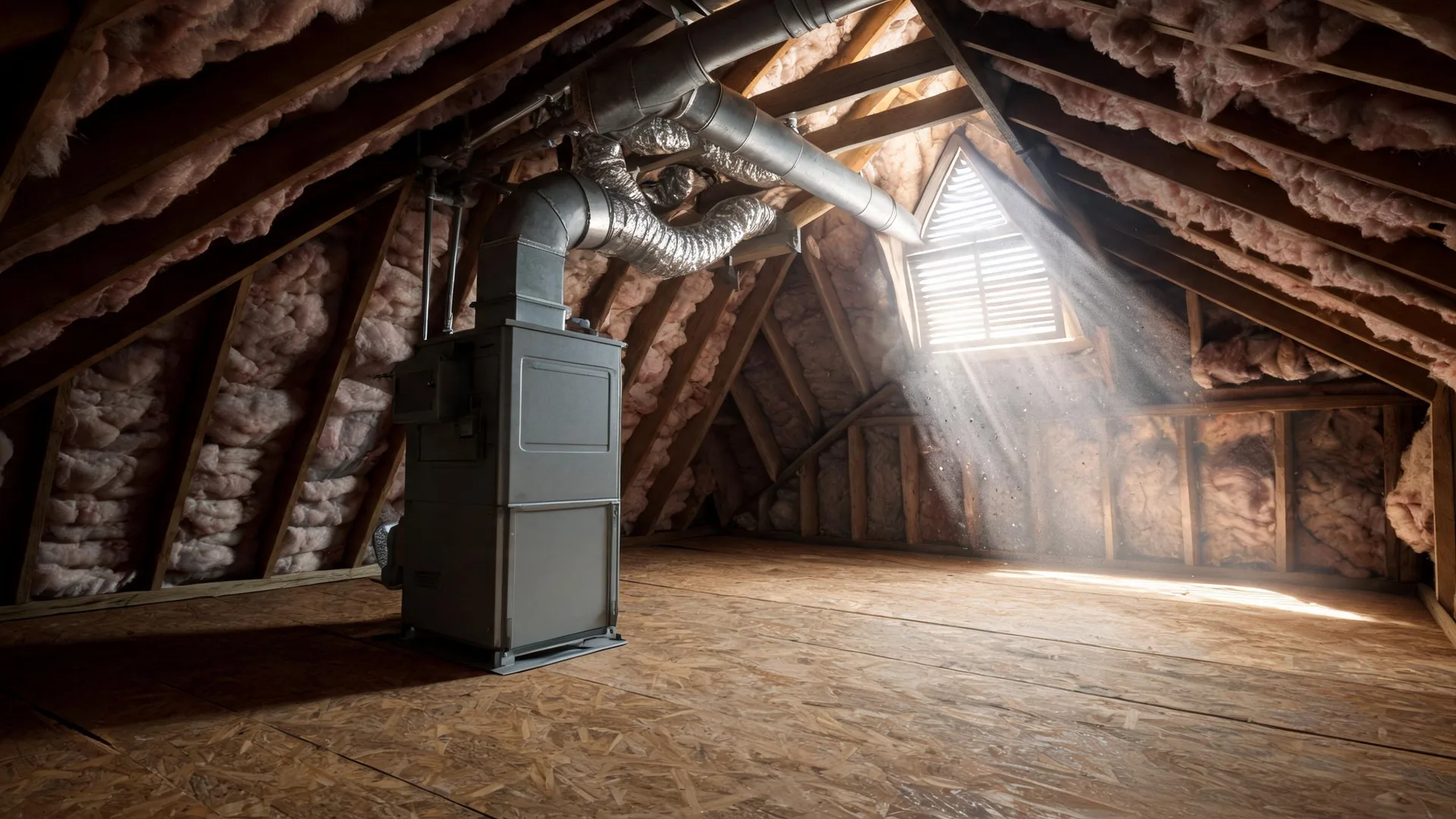
Anyone can quote a tonnage off square footage alone. Ask whether they're doing a load calculation that accounts for your windows, insulation, and duct layout. An oversized condenser cycles on and off too fast and never runs long enough to pull humidity out of the air. An undersized one runs constantly and still can't keep up on the hottest afternoons.

An outdoor air conditioning condenser unit positioned beside a blue-sided house at sunset.

Going above the federal minimum saves little here, about $10 a year.

  • A higher-efficiency unit$70 a year
  • A new unit at the federal minimum, 13.4 SEER2$80 a year

Estimates for a typical McHenry County home, from EIA household energy data, North Dakota fuel prices and NOAA climate normals. Your home will differ.

Install day starts with the old equipment coming out, not the new one going in. The condenser gets disconnected, the refrigerant recovered, and the old unit set aside before anything new goes on the pad. Inside, the air handler or coil gets swapped. The connections get checked against what the new equipment actually needs, since the old wiring and lineset were sized for a different unit. Once everything's connected, the system gets charged with refrigerant to the exact weight the manufacturer specifies, not just run until it feels cold. Then it gets tested. Airflow at the vents, pressures on the lines, the thermostat cycling the system properly. A straightforward swap can wrap in a day. Anything uncovered along the way, a cracked disconnect, ducts that don't match up, gets handled before the crew leaves, not flagged for later.