Two months of real work
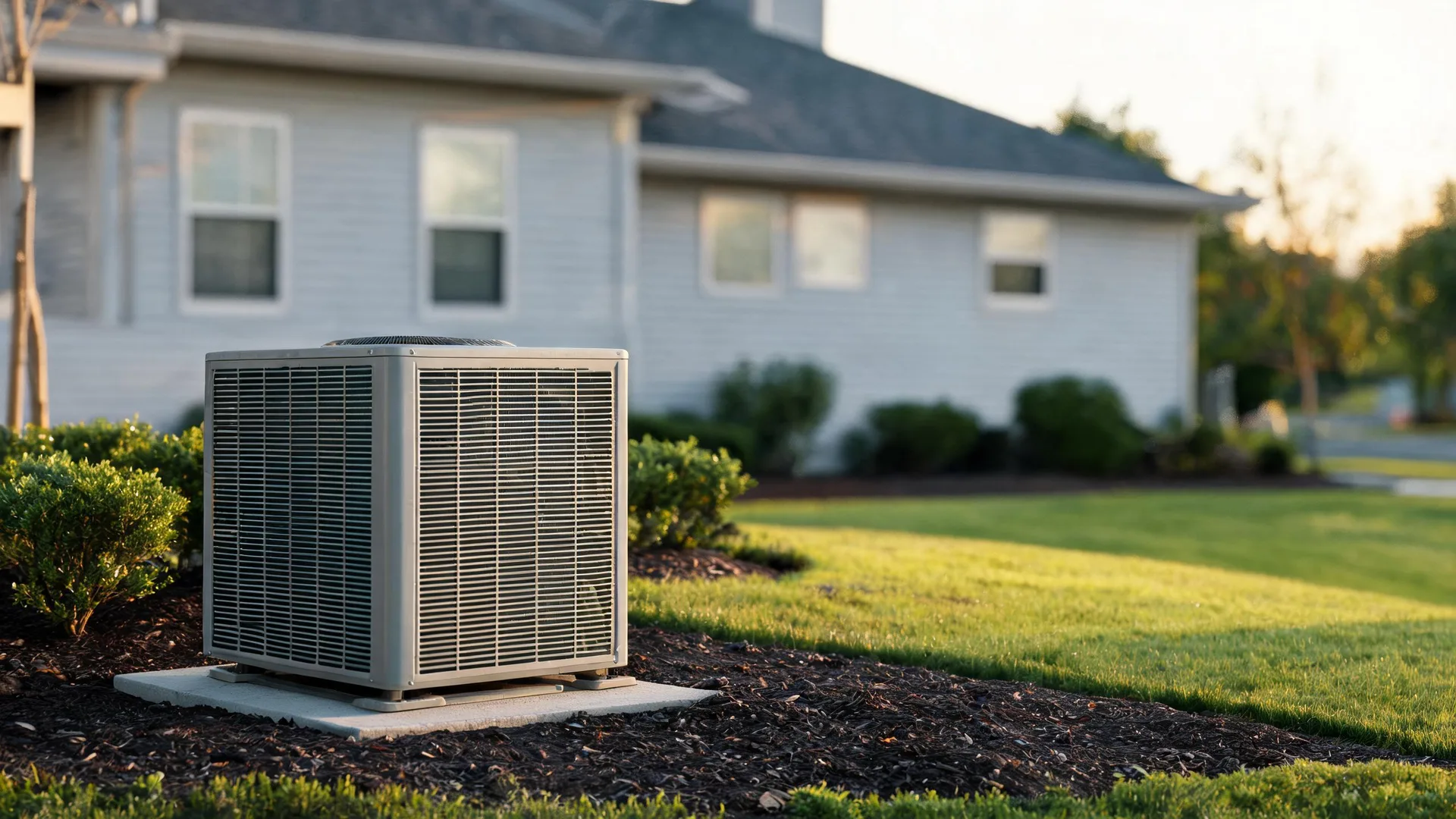
Air conditioning here only runs July and August, with afternoon highs around 81°F. That's not much time for a compressor to wear out.
Takes about a minute. No obligation.
Air conditioning here only runs July and August, with afternoon highs around 81°F. That's not much time for a compressor to wear out.
A system here is less likely to be worn down from the load it's carried. When something breaks, it's usually a part that failed or a unit that's simply old, not a machine that got run into the ground. That's the kind of problem a repair can usually fix.
NOAA nClimDiv, 1991–2020 normals
Warm air still coming through the vents means the system is low on refrigerant or the compressor is on its way out.
A unit that short cycles, running a few minutes then shutting off, is wearing out its compressor every time it does that.




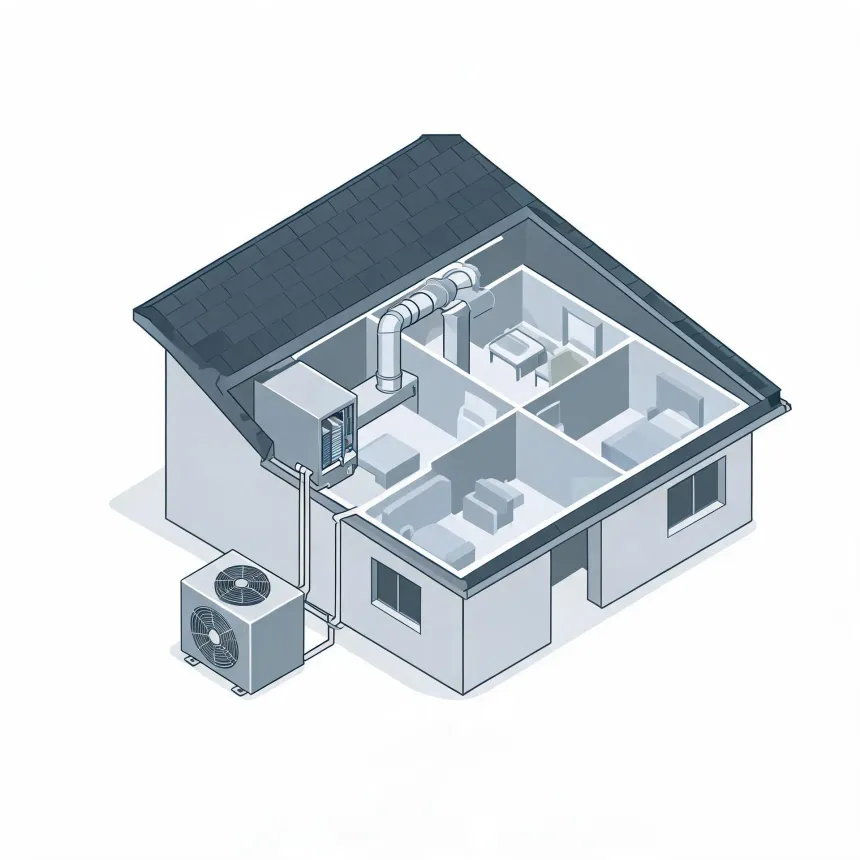
A diagnostic call starts outside at the condenser, checking that it's running and pulling air through properly. From there the tech puts gauges on the refrigerant lines to see what the pressures are doing. Low pressure on both sides points to a charge problem or airflow trouble. High pressure on one side points somewhere else. Inside, the tech checks the air coming off the coil and looks at the coil for ice. Electrical testing comes next, starting with the capacitor and the contactor. By the time all that's done, the failure usually has a name, not a guess.
It has an easier job here than in most places, so your air conditioner is often in decent shape. Repair is usually worth it.
Find a contractorRunning low on refrigerant is the clearest case. The compressor needs refrigerant moving through it to stay cool while it works. With the charge low, it keeps running hot, and every hour after that cooks the windings and the oil a little more. What starts as a slow leak turns into a seized compressor if nobody shuts the system off. A failing capacitor works the same way. It makes the compressor and fan motor strain to start, and if they keep starting that way, the motor windings take the damage instead. Some things don't get worse with runtime. A bad blower motor or a clogged drain line will sit there broken until someone fixes it, but they won't turn into a bigger repair just because the system kept running. The ones to shut off and wait on are the ones making heat or strain where it doesn't belong.
A clogged filter starves the system of airflow and can show up as warm air or ice on the indoor coil. Pull it out and hold it up to a light. If you can't see through it, that alone could be the whole problem.
The condenser needs open air around it to shed heat. Grass clippings, leaves, or a fence built too close will choke it off and make the whole system work harder than it should. Clear anything piled against it before assuming the problem is mechanical.
Estimates for a typical Golden Valley County home, compared with an older unit built to the previous federal minimum, from EIA household energy data, North Dakota fuel prices and NOAA climate normals. Your home will differ.
Repair makes sense when a part like a capacitor or contactor has failed.
Replacement makes sense when the compressor has failed or the system uses R-22 refrigerant, which is no longer made.
A compressor doesn't wear out gradually like a tire tread. It runs fine for years, then a part inside it or around it fails, and that's what you're reacting to. So the real question isn't how long the unit has run. It's what broke, and whether it took the compressor down with it. A failed capacitor or a bad fan motor is a repair, and the compressor usually comes through it fine if it's caught in time. A compressor that's gone, shorted windings, no start at all, is a different conversation, because replacing just that part rarely makes sense next to replacing the unit. Ask the contractor to tell you plainly which kind of problem this is before you decide anything.