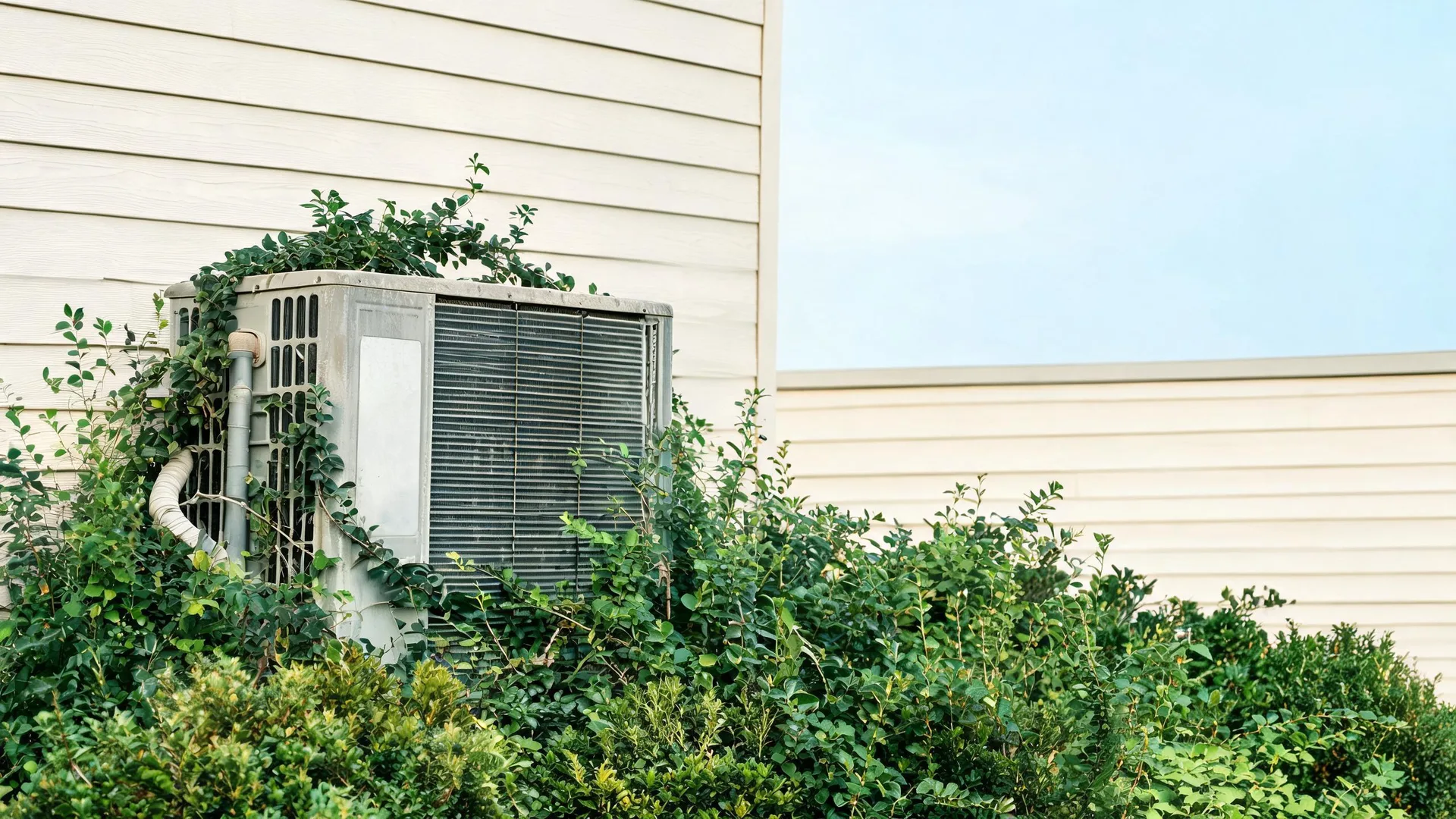
The first hot week finds the weak part
Cooling in Walsh County doesn't start until July. A capacitor or a low charge that's been marginal since August usually holds on fine until that first real load hits it, and July is when it hits.
Takes about a minute. No obligation.
Cooling in Walsh County doesn't start until July. A capacitor or a low charge that's been marginal since August usually holds on fine until that first real load hits it, and July is when it hits.
AC here only runs July and August. If something's off in the first week, there's no slack to wait and see. Whatever's wrong now is what you'll have for the rest of the summer unless it gets fixed.

NOAA nClimDiv, 1991–2020 normals
Your air conditioner only runs two months out of the year here.
A system with that little work behind it is usually fine mechanically, so a repair is likely to hold.



A few things are worth checking before anyone comes out. Look at the thermostat first. Make sure it's set to cool and set below room temperature, since a setting bumped by accident looks exactly like a dead system. Check the breaker for the outdoor unit and the one for the air handler or furnace, since a tripped breaker will stop the whole system cold. Go outside and look at the condenser. If the fan isn't spinning and you don't hear any hum, that's worth telling the tech before they arrive. Check the filter too. One that's packed with dust chokes airflow and can ice the coil, and that's something you can see just by pulling it out and holding it to the light. None of this means opening the unit up or touching anything electrical. If the thermostat's right, the breakers are on, and the filter's clean, the problem is inside the system and it's time to call someone.
Two months of real work a year is not much to wear out a part. Get it fixed and it should see out the summer.
Find a contractorIf your AC is old enough to match the house, ask the contractor for its age before you approve the repair. A tech can read it off the nameplate in a minute. That number tells you whether you're paying to get through two more Augusts or patching something that's on its last one.
Warm air out of the vents when the thermostat is set low is the most common complaint, and it usually means the compressor outside isn't running or the charge is low. Short cycling, where the system shuts off a few minutes after starting, points to a different problem, often a dirty sensor or electrical fault. A system that runs constantly without the house cooling down is losing the fight somewhere, whether that's airflow, charge, or a coil that's iced over.
A loud buzz or hum when the unit tries to start and fails is almost always the capacitor giving out. Grinding or squealing points to the fan motor bearings. Water pooling near the indoor unit means the condensate line is clogged or the pan has rusted through, and that one gets worse the longer it sits because it can damage the floor or the furnace underneath it.
Estimates for a typical Walsh County home, compared with an older unit built to the previous federal minimum, from EIA household energy data, North Dakota fuel prices and NOAA climate normals. Your home will differ.
Repair makes sense when a part like a capacitor or contactor has failed.
Replacement makes sense when the compressor has failed or the system uses R-22 refrigerant, which is no longer made.
A diagnostic starts outside, at the condenser. The tech checks whether the compressor and fan are running, reads the electrical readings off the capacitor, and checks refrigerant pressure at the service ports. That pressure reading usually points straight at the problem, whether it's a leak, a failing compressor, or just a dirty coil choking airflow. Inside, they'll pull the filter, look at the evaporator coil for ice or buildup, and check the blower. If the line set is intact and pressures are right but air still isn't cold, the fault is usually electrical rather than mechanical. Most of this gets answered within the first part of the visit, before anything gets opened up or replaced.